

 Back
Back


 Free Delivery With Orders Over £60
 October Gardening Jobs
Posted by Tom Steel on 11th Mar 2026
Perfect Plants for Pollinators
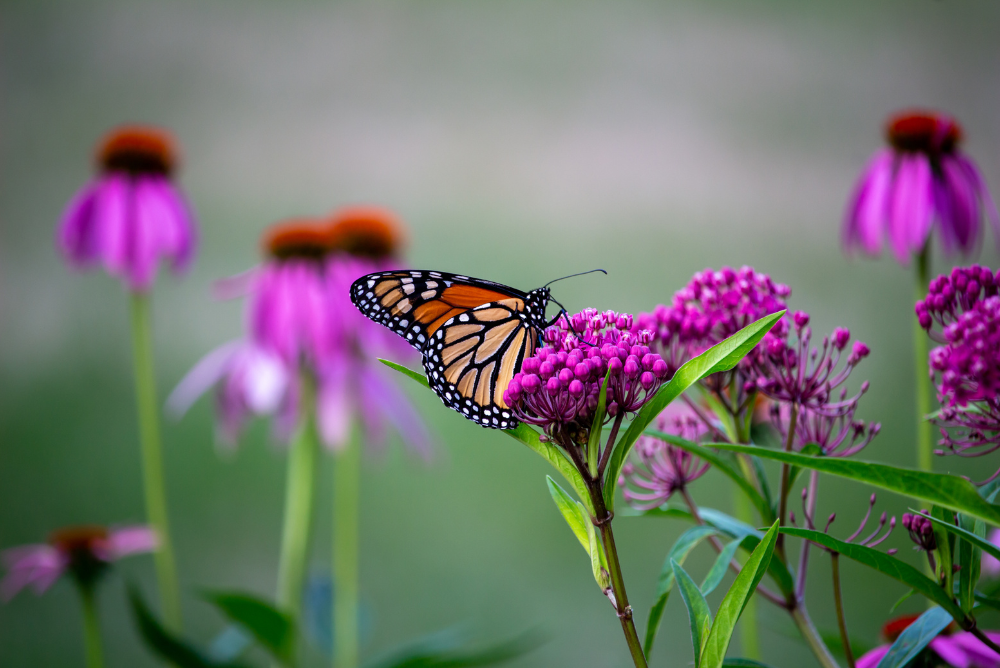
Our gardens are more than just spaces to enjoy - they can be vital lifelines for wildlife.
According to The Wildlife Trusts, bees, wasps, moths, butterflies, hoverflies, flies, and beetles are responsible for pollinating £690 million worth of crops every year. By carrying out this otherwise time-consuming task, they save billions in costs - and support our environment in ways that money simply can’t measure. That’s why the role of pollinators in our gardens has never been more important.
Yet despite growing recognition of their value, urbanisation, pesticide use, climate change, and disease continue to pose very real threats to pollinators - and, in turn, to the vital work they do for us.
Planting for pollinators feels like the least we can do. It gives busy bees and butterflies a much-needed pit stop, while helping to support a thriving and essential ecosystem.
And the benefits don’t stop there. By creating a safe haven for pollinators, our gardens are rewarded with an explosion of colour, texture, and life from pollinator-friendly plants and blooms. Here are just a few of our favourites, and some of those recognised by the RHS, that help support pollinators throughout the growing season.
Our favourite pollinator-friendly plants
Achillea
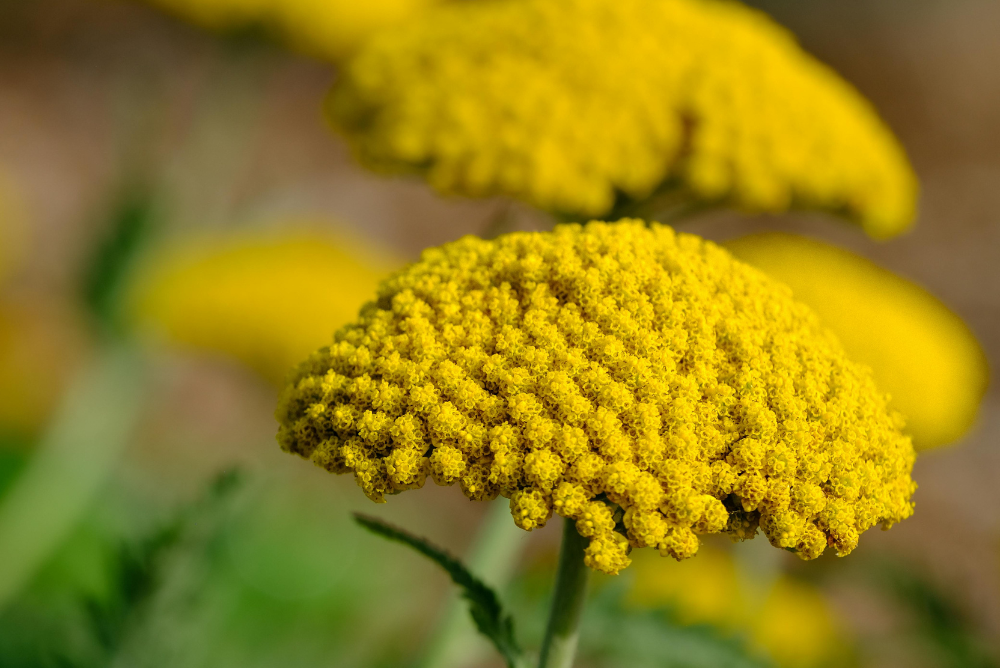
Achillea, or Yarrow, is a favourite with pollinators thanks to its flat, open flower heads, which make nectar easy to access for bees, hoverflies and butterflies. Blooming through summer, it provides a reliable food source during the busiest months.
For gardeners, Achillea is a drought-tolerant, low-maintenance plant that is ideal for naturalistic or meadow-style planting. Its upright form adds structure, while clusters of flowers bring long-lasting colour and quietly support a wide variety of insects.
Heather
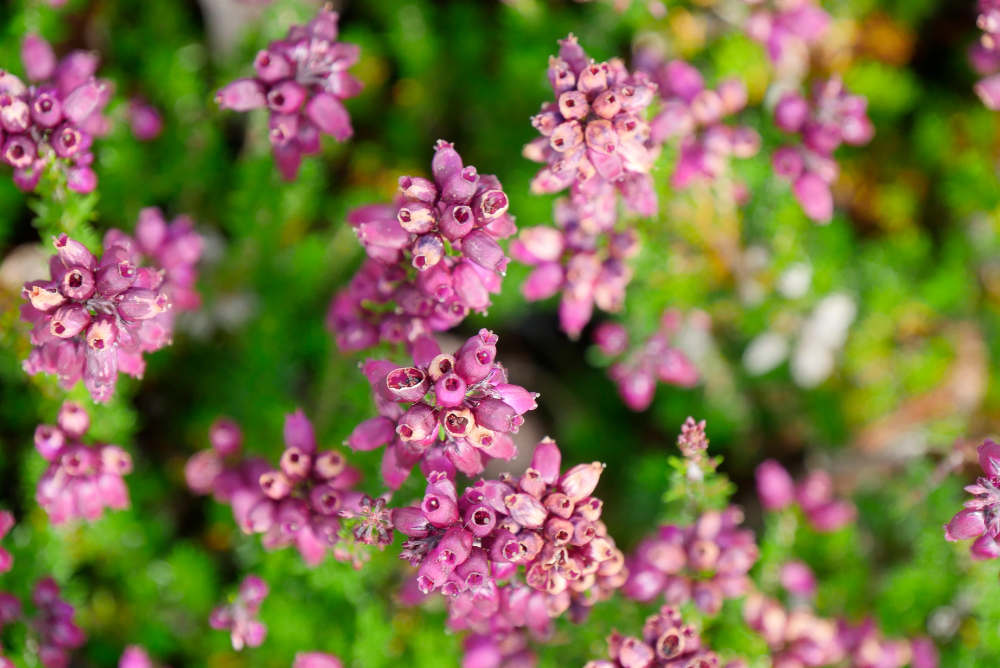
Calluna (Heather) is invaluable for pollinators, flowering when few other plants do. Many varieties bloom in late summer, autumn, or even winter, offering a vital nectar source during cooler months.
Our Erica Winter Heather Collection has the RHS seal of approval as a recommended plant for pollinators.
Hardy and compact, Heather thrives in containers, rock gardens, or at the front of borders. Its evergreen foliage adds year-round structure while continuing to support pollinators when resources are scarce.
Digitalis (Foxglove)
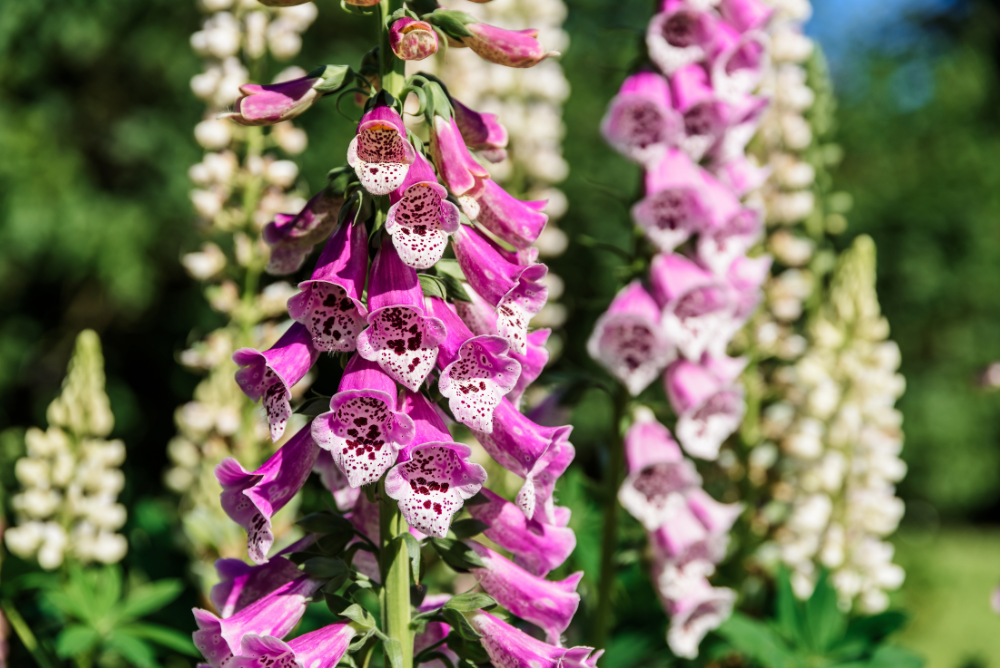
Digitalis is particularly attractive to long-tongued bees, which are perfectly adapted to the tall, tubular flowers. These bell-shaped blooms provide sheltered access to nectar, making foxgloves a firm favourite in wildlife-friendly gardens.
Their height and vertical form make them ideal for the back of borders, where they add drama and a classic cottage-garden feel. Digitalis also self-seeds readily, helping to create a natural and evolving planting scheme year after year.
Geranium (Hardy Geranium)
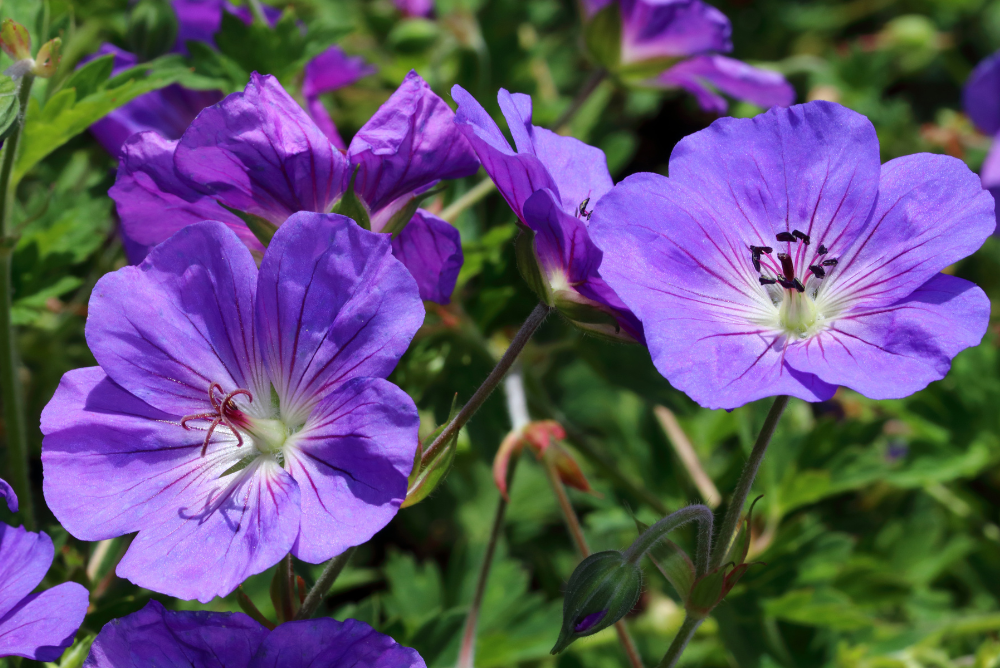
Hardy Geraniums, including popular varieties such as Geranium ‘Rozanne’, are excellent pollinator plants thanks to their exceptionally long flowering period. Blooming from late spring well into autumn, they provide a consistent nectar source for solitary bees and smaller insects.
They’re also incredibly versatile - working as ground cover, edging plants, or fillers at the front of borders. Their spreading habit helps suppress weeds, making them a practical and pollinator-friendly choice for busy gardeners.
Echinacea (Coneflower)
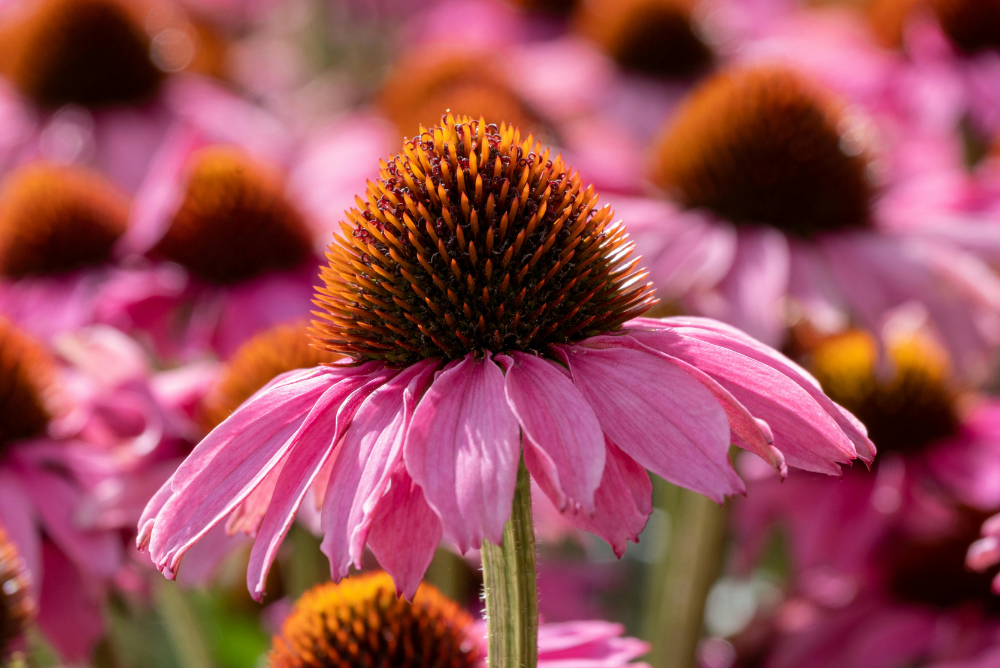
Echinacea combines bold, architectural flowers with serious pollinator appeal. Its open central cones are easy for bees and butterflies to land on, while its long flowering season ensures lasting value through summer.
As the flowers fade, the seed heads continue to support wildlife by providing food for birds later in the year. Tough, resilient, and visually striking, Echinacea earns its place as a staple in both ornamental and wildlife-focused gardens - and Echinacea purpurea in particular, is recognised by the RHS among the top plants for pollinators.
Verbena bonariensis
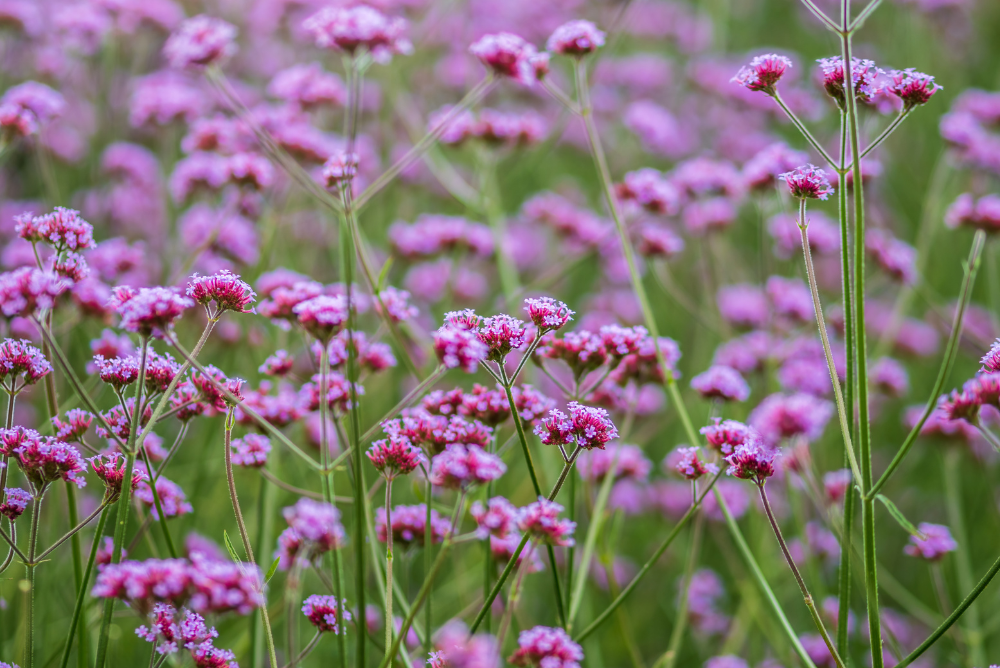
Tall, airy, and full of movement, Verbena bonariensis is a magnet for butterflies and bees alike. Its delicate clusters of purple flowers sit atop slender stems, creating height without blocking light - ideal for adding structure to mixed borders.
Recognised as an RHS Plants for Pollinators award-winner, Verbena bonariensis works particularly well in naturalistic planting schemes. It is known for attracting a wide range of pollinators, including butterflies such as the Comma. Verbena also self-seeds gently, helping to build a garden that feels alive and ever-changing.
Thyme
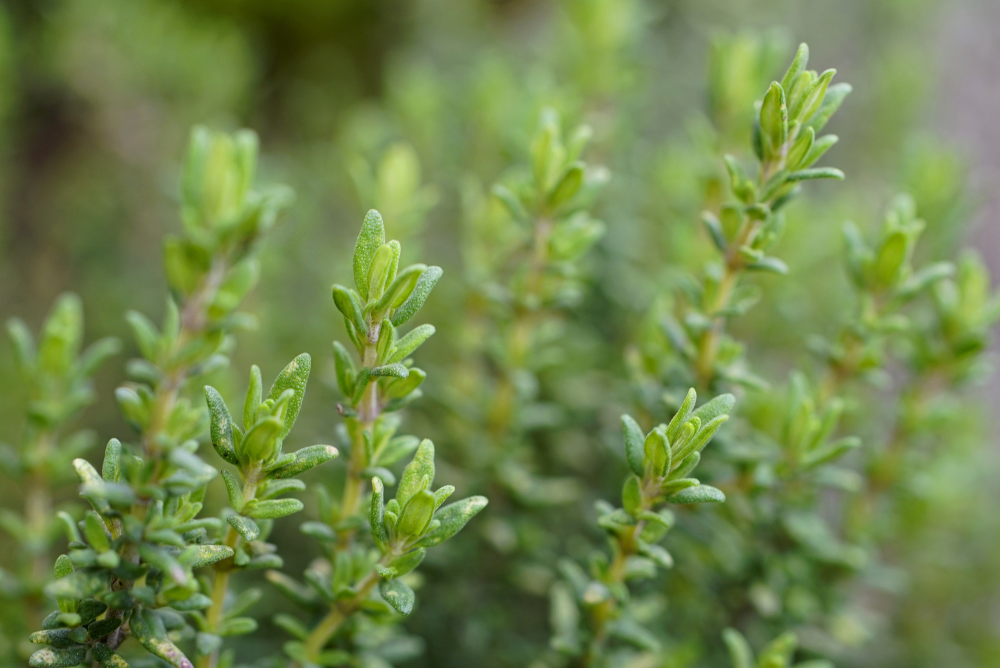
Perfect for edging paths, filling gaps between paving, or growing in pots, thyme is drought-tolerant and thrives in sunny positions. As an added bonus, it’s edible - making it a true multi-purpose plant for gardens that balance beauty, wildlife and practicality.
Expert insight: Callum Corrie
‘Designing with pollinators in mind’
As interest in wildlife gardening continues to grow, more gardeners are looking for ways to combine visual impact with meaningful ecological benefit. Award-winning garden designer Callum Corrie believes thoughtful plant choice is key to creating spaces that support pollinators without compromising on style.
“When designing any garden, I always try to create a balance between impactful colour displays and pollinator-friendly solutions. Careful plant choice makes a real difference, so it’s important to step back and think about the goal you want to achieve - is it purely ornamental, or are you looking to create and support an ecosystem that encourages and retains a wide range of insects and pollinators?
If I had to pick my perfect plants for pollinators, I’d pinpoint Echinacea and Achillea as easy-to-grow staples in the British garden. Geranium ‘Rozanne’ is ideal for the front of borders and fantastic for attracting solitary bees and smaller insects. Verbena bonariensis adds structure and is brilliant for butterflies - I regularly see Comma butterflies visiting mine. And to top it all off, thyme is a double win: a superb pollinator plant that’s also edible and perfect for naturalistic planting styles.”
Callum is a multiple award-winning garden designer and landscaper, having achieved double gold at the RHS Flower Show Tatton Park and been named in Pro Landscape’s prestigious 30 Under 30. His sold-out talk on wildlife gardening at Daisy Nook reflects the growing appetite for gardens that work in harmony with nature.
Find out more at https://www.callumcorriegardendesign.co.uk/
By choosing plants for pollinators, our gardens become part of something bigger - spaces that look good, feel alive, and quietly give something back.
Discover more from our range of RHS Plants for Pollinators
Growing Guides
Achillea | Echinacea | Geranium | Heather |
More Blogs