

 Back
Back


 Free Delivery With Orders Over £60
 October Gardening Jobs

Posted by Tom Steel on 27th Feb 2026
Gardening Jobs for March
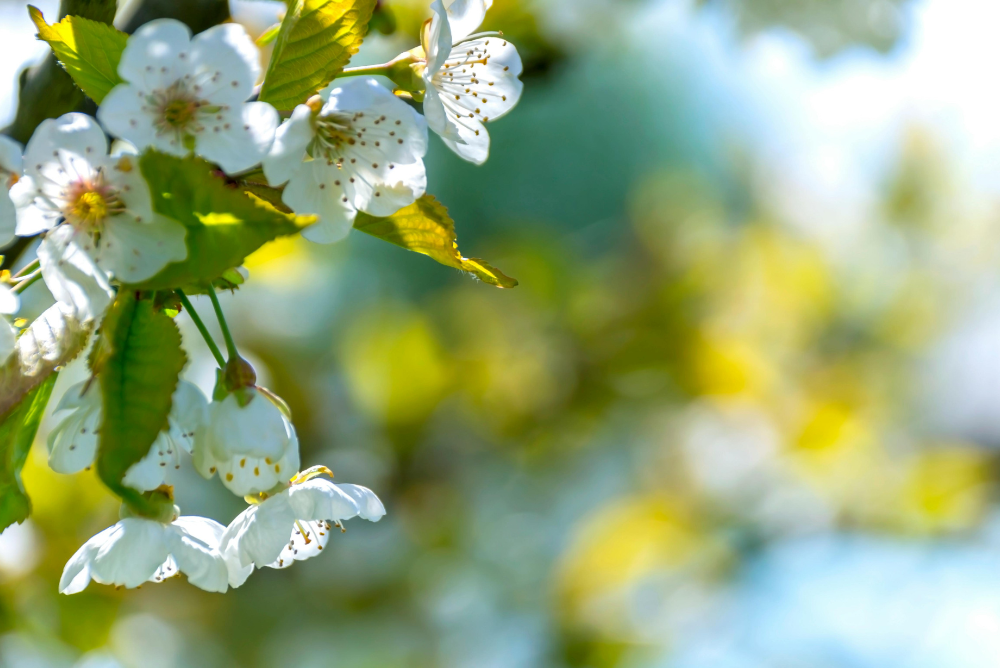
With winter now behind us, March is ushering in longer, lighter days and gradually warming soil - meaning plants are ready to grow, so we must be ready too.
From essential pruning to planting the first vegetables of the season, tackling these March jobs now will set the foundation for a healthy, colourful garden in the months ahead.
Pruning & Plant Care
Prune bush and climbing Roses
Roses can be pruned in early March, just before new growth starts. Remove dead, damaged or crossing stems and tie in climbing varieties to their supports. Pruning now directs the plant’s energy into strong new shoots and better summer flowering.
Tip: Always cut just above an outward-facing bud to encourage an open, well-shaped plant with improved air circulation.
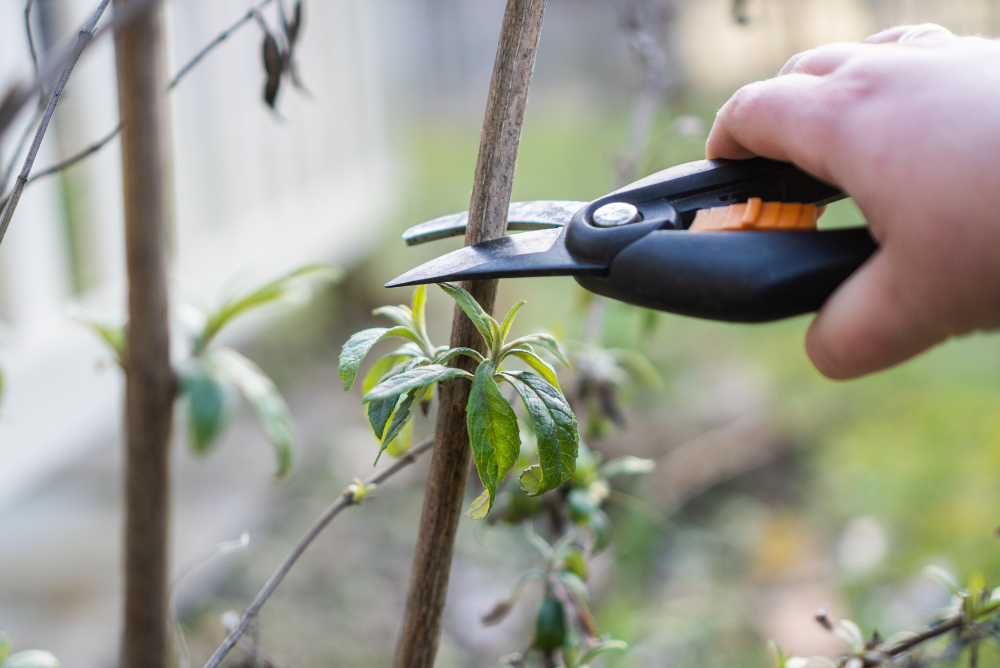
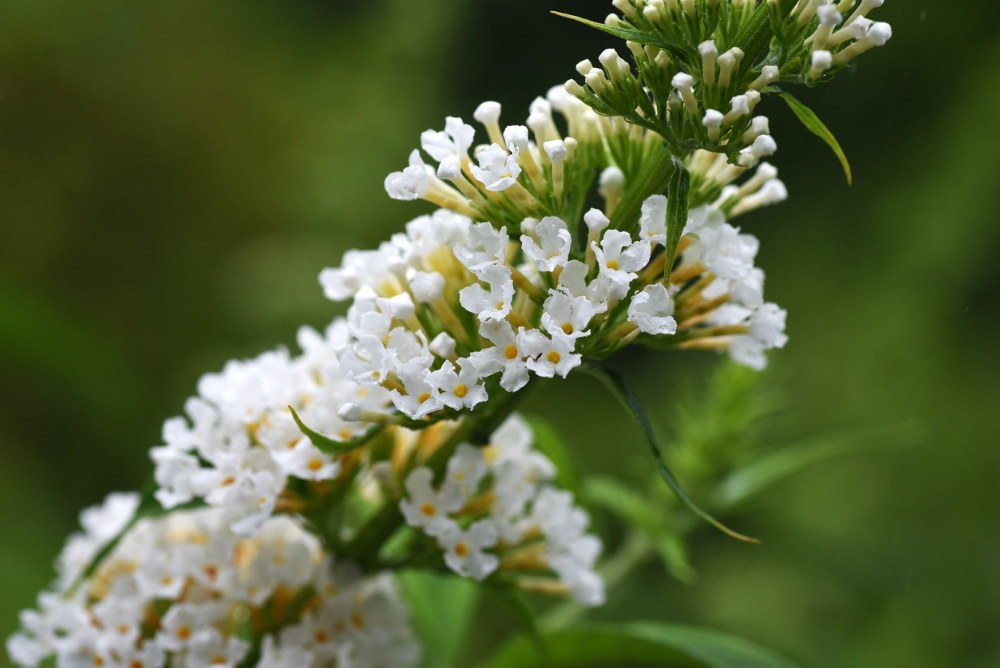
Shape Buddleja for summer blooms
Buddleja flowers on new growth, so early spring is the right time to prune hard. Cut stems back to a low framework to stimulate vigorous shoots that will carry summer blooms. Removing weak or spindly growth at the same time improves airflow and reduces the risk of wind damage later in the season.
Tip: Don’t be afraid to cut back firmly - leaving stems around 30-60 cm high will keep plants compact and prevent them from becoming leggy.
Cut back herbaceous perennials and ornamental grasses
If you left seed heads and stems standing over winter for structure and wildlife, March is the time to clear them away. Removing old growth allows fresh shoots to emerge freely and keeps borders looking tidy.
Tip: Check the base of plants carefully before cutting - new growth is often already pushing through.
Split and divide overgrown perennials
As the soil starts to warm, divided perennials re-establish quickly. Lifting and splitting overcrowded clumps improves airflow, boosts flowering, and gives you extra plants for free.
Tip: Water newly divided plants well and add compost to the planting hole to reduce transplant shock.
Planting & Sowing
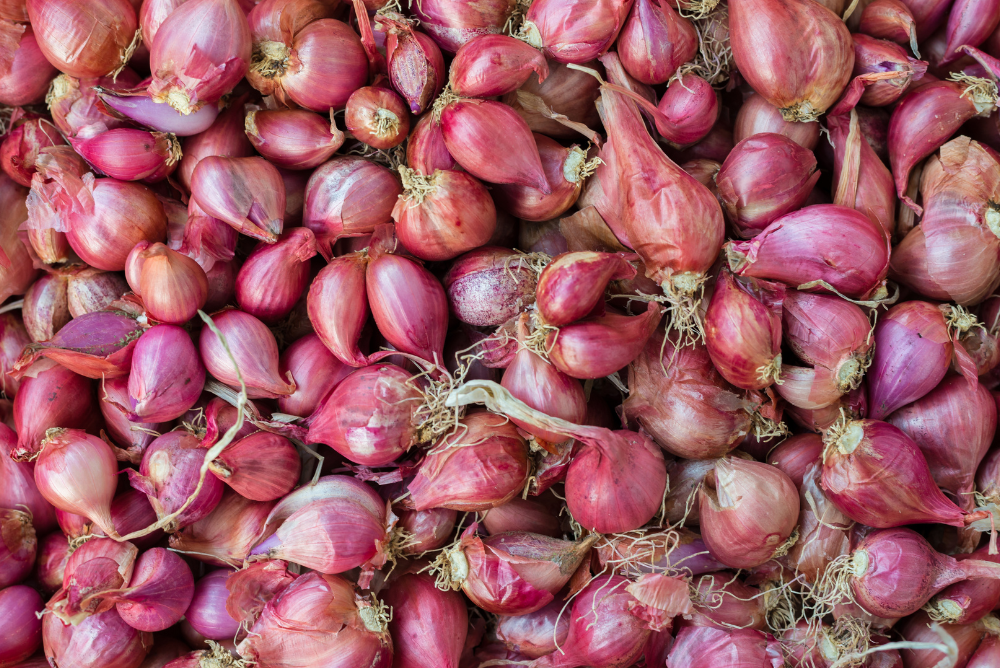
Plant onion sets, shallots and early potatoes
March offers cool but workable soil - ideal for establishing hardy crops. Space onion sets and shallots 10-15 cm apart, and plant early potatoes in trenches or deep containers to get ahead of the season.
Tip: Earth up potatoes as shoots grow to protect them from late frosts and encourage a heavier crop.
Plant Lilies and summer-flowering bulbs
With soil warming gradually, bulbs planted now will establish strong root systems before summer. Lilies and other summer-flowering varieties thrive in well-drained soil and sunny positions.
Tip: Add grit to heavier soils when planting bulbs to improve drainage and prevent rot.
Sow hardy vegetables outdoors
Longer daylight hours make March ideal for sowing broad beans, peas, carrots, parsnips, spinach and salad leaves directly outdoors.
Tip: Warm the soil in advance by covering beds with cloches or fleece for a week before sowing - this can significantly improve germination rates.
Start Dahlia tubers indoors
Dahlias are tender, so starting them indoors in March gives you earlier flowering plants once frosts have passed. Place tubers in damp peat-free compost in a bright, frost-free space.
Tip: Once shoots reach around 5 cm tall, pinch out the growing tip to encourage bushier plants with more flowers.
Plant soft fruit and strawberry runners
March is ideal for planting currants, gooseberries, raspberries and cold-stored strawberry runners while they’re still dormant or just beginning growth. Establishing now leads to better cropping in summer.
Tip: Apply a mulch of compost around fruit bushes after planting to retain moisture and suppress weeds.
Lawn & Garden Maintenance
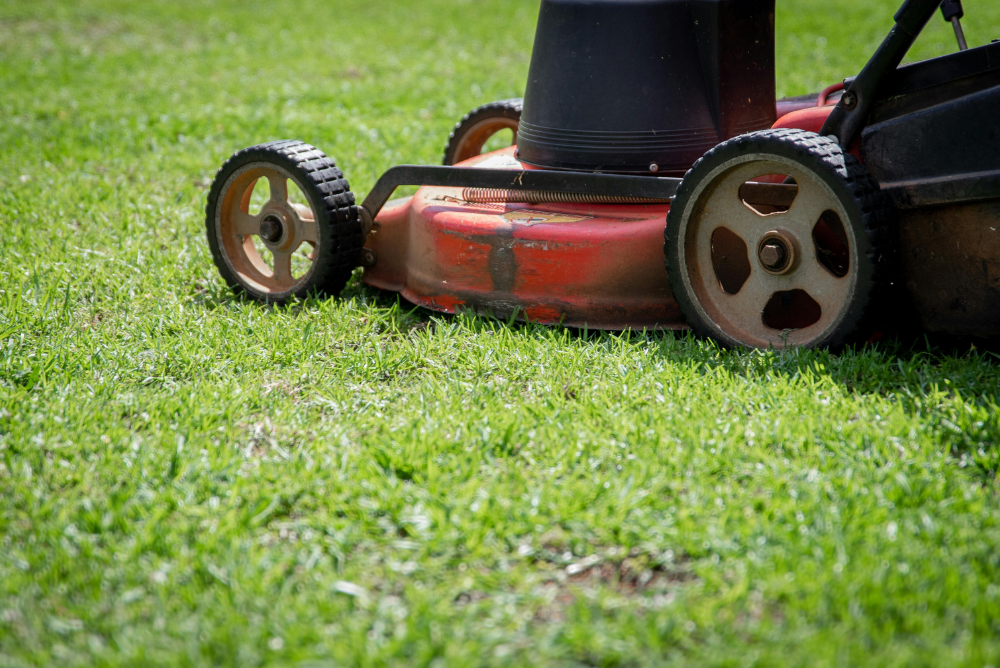
Mow the lawn on dry days
As temperatures rise, grass begins growing again. A light first mow tidies winter growth and encourages thicker turf.
Tip: Raise the mower blade for the first cut - removing no more than one-third of the grass height prevents stress.
Hoe and mulch borders
Weeds begin growing quickly in March. Removing weeds before applying mulch stops them from pushing back through and competing for nutrients.
Tip: Hoe on dry, sunny days so weeds shrivel and die on the soil surface.
Top-dress containers
After months of winter rain, compost in pots can become compacted and nutrient-poor. Refreshing the top layer improves drainage and gives plants a spring boost.
Tip: Gently loosen the surface before adding fresh compost to help roots breathe and absorb nutrients.
Wildlife & Pollinator Support
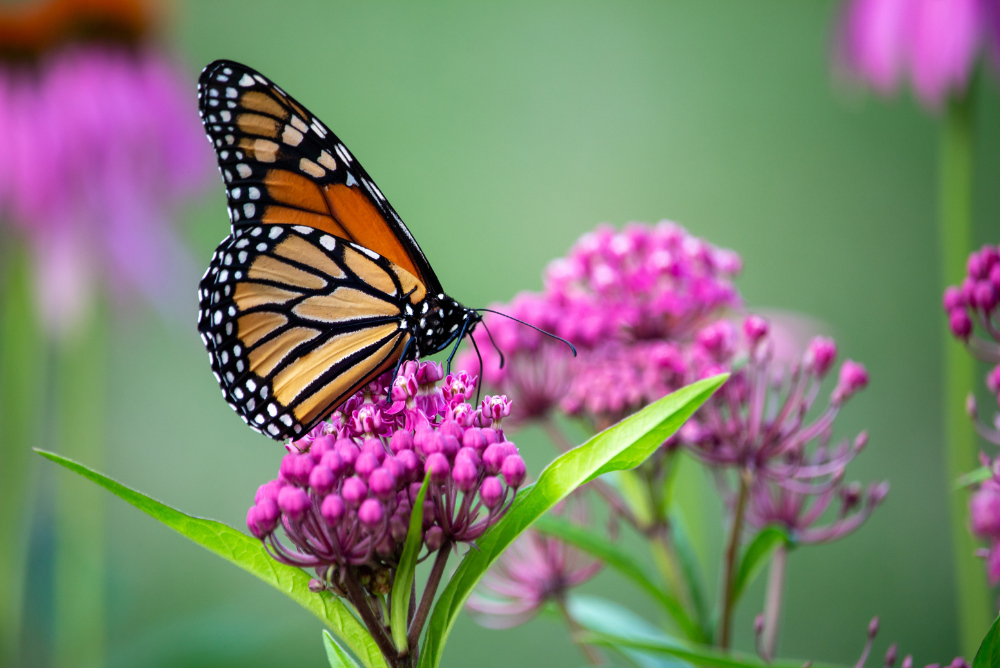
Leave early flowers for pollinators
Early blooms such as dandelions provide vital nectar and pollen for emerging bees and other beneficial insects. Supporting pollinators now benefits your entire garden later in the year.
Tip: Consider leaving a small patch of lawn unmown to create a mini early-season feeding station.
Prepare ponds and water features
As water temperatures slowly rise, pond life becomes active again. Restart pumps, remove pond heaters, and begin feeding fish lightly.
Tip: Remove debris gently with a net rather than draining the pond, which helps preserve beneficial microorganisms.
NEW IN TOOLS & FEEDS
Saxon Hanging Basket
Supplied in 12’’, 14’’ & 16’’
Pack of 1
Shop now
Levington Tomorite 1.2L
Supplied as 1.2 Litre Packet
Pack of 1
Shop now
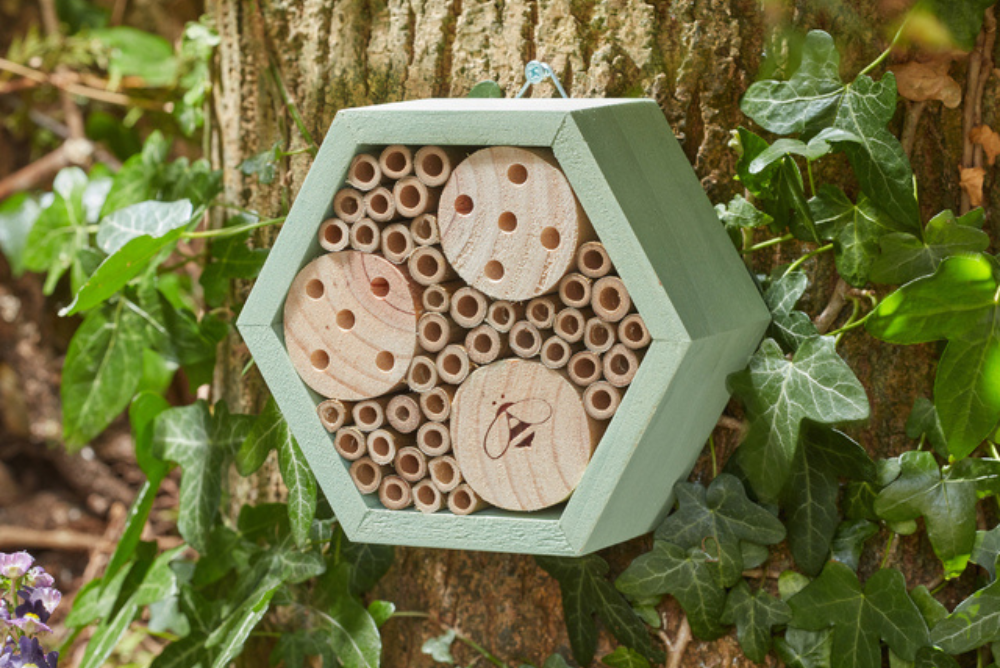
Mason Bee HexBox
Pack of 1
Shop now
Weed & Feed Watering Can Nozzle
Pack of 1
Shop now
Growing guides for March
Dahlias | Buddleia | Lilies | Roses
More monthly jobs
Gardening Jobs for February | Gardening Jobs for January | View All Gardening Jobs