

 Back
Back


 Free Delivery With Orders Over £60
 October Gardening Jobs

Posted by Tom Steel on 30th Apr 2026
Gardening Jobs for May
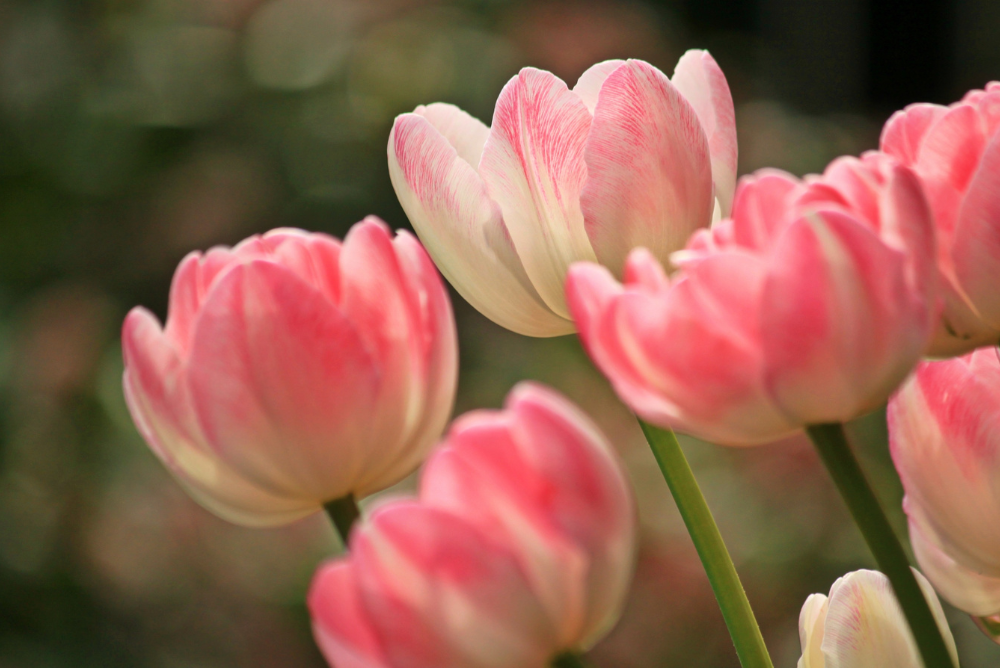
May marks a visible shift in the garden, as spring planting begins to take hold and the first real signs of summer start to peak through. Borders fill out quickly, Roses come into early flower, and vegetable patches start to show strong, steady growth.
Days are getting longer and temperatures are rising, which makes the garden feel more active and established, as pollinators and wildlife bring even more movement to new blooms. With all this promise and potential, there are a lot of key jobs we can be doing this month to help keep growth and displays in good shape.
Make the Most of Sowing Season
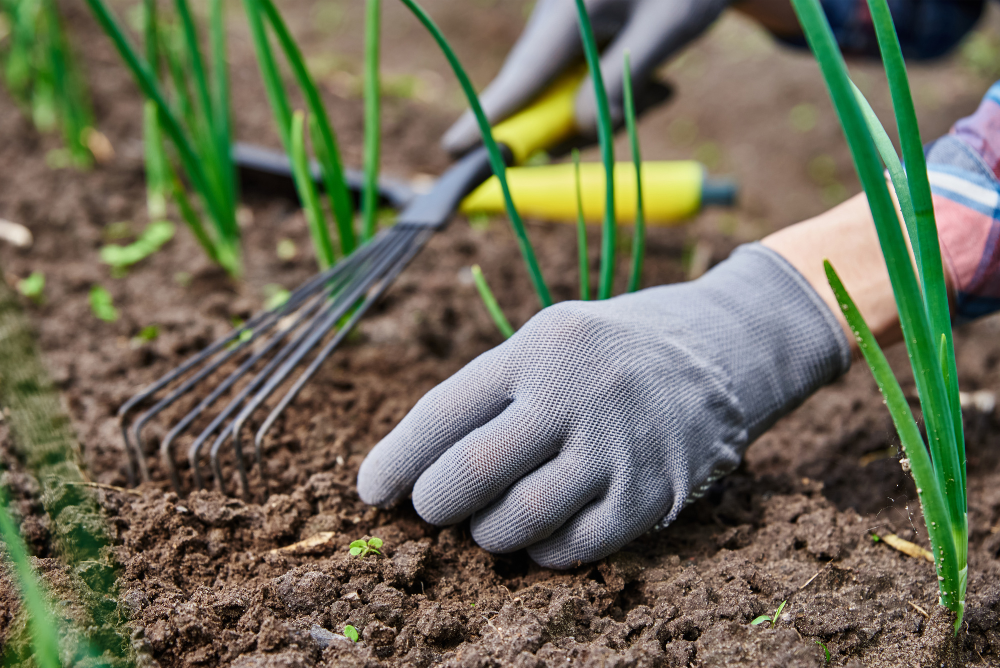
With these rising soil temperatures, it’s a good idea to carry on sowing and expanding your crops, taking advantage of faster germination and more reliable establishment. For best results, remove weeds and rake soil to a fine, level tilth before sowing to encourage even germination.
To achieve a steady harvest through the summer, you can sow vegetables little and often - salad leaves, beetroot and carrots are particularly well-suited to this style of succession sowing. Tender crops such as courgettes, sweetcorn and beans are now ready to be sown outdoors in most areas, or started under light protection in cooler regions.
Thin out earlier sowings to reduce competition and encourage stronger development, and keep young plants consistently watered as growth accelerates.
Tip: Water seedlings early in the day to reduce evaporation and help roots establish more effectively.
What to sow now for summer impact
Continue to introduce hardy and half-hardy annuals directly into borders to maintain colour through summer.
Cosmos, sunflowers and Californian poppies are excellent for filling gaps, while sweet peas can still be sown or planted out to extend fragrance and vertical interest.
Tip: Sow in small batches every 2-3 weeks for a longer, staggered flowering period.
Plant Out with Confidence
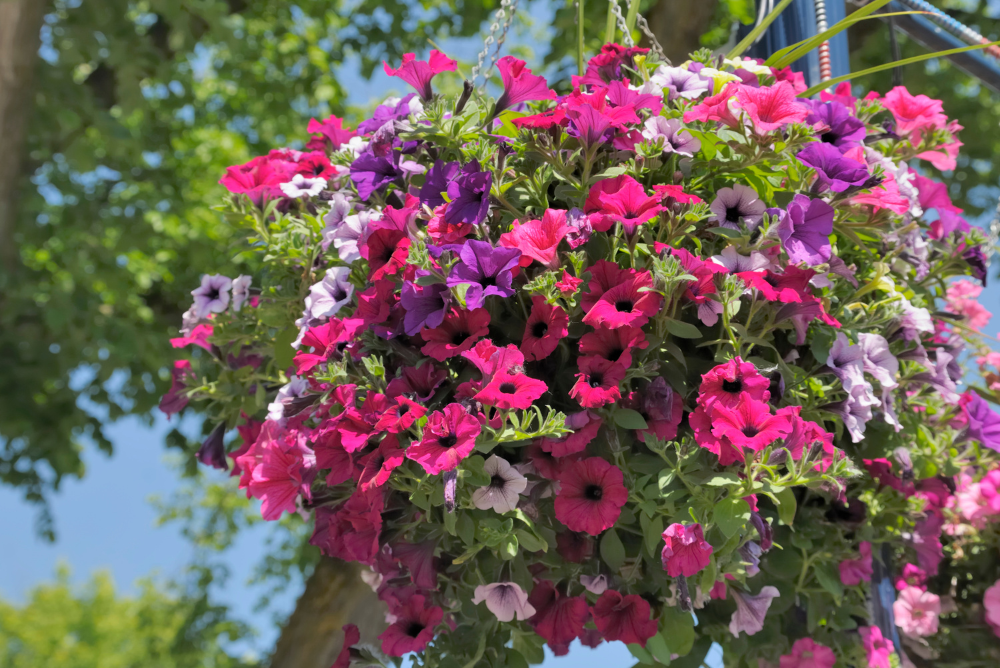
Once conditions have stabilised and the risk of frost has passed locally, bedding plants, tender annuals and vegetables can be moved outdoors.
Plants raised under cover should be hardened off gradually before planting, but most will now establish quickly in warm soil.
Hanging baskets and containers can also be planted and moved outside as temperatures settle.
Tip: If a cold night is forecast, group containers together and cover with fleece for quick protection.
Choose summer-ready plants
Build seasonal displays using reliable, high-impact varieties.
Petunias and Calibrachoa are ideal for trailing baskets, Begonias perform well in shaded areas, and Geraniums thrive in sunny, dry positions.
Summer bulbs such as Dahlias, Gladioli and Lilies can also be planted now for height, structure and later-season cut flowers.
Tip: Water newly planted containers twice initially - once to settle compost, and again to ensure full root contact.
Keep on Top of Weeds
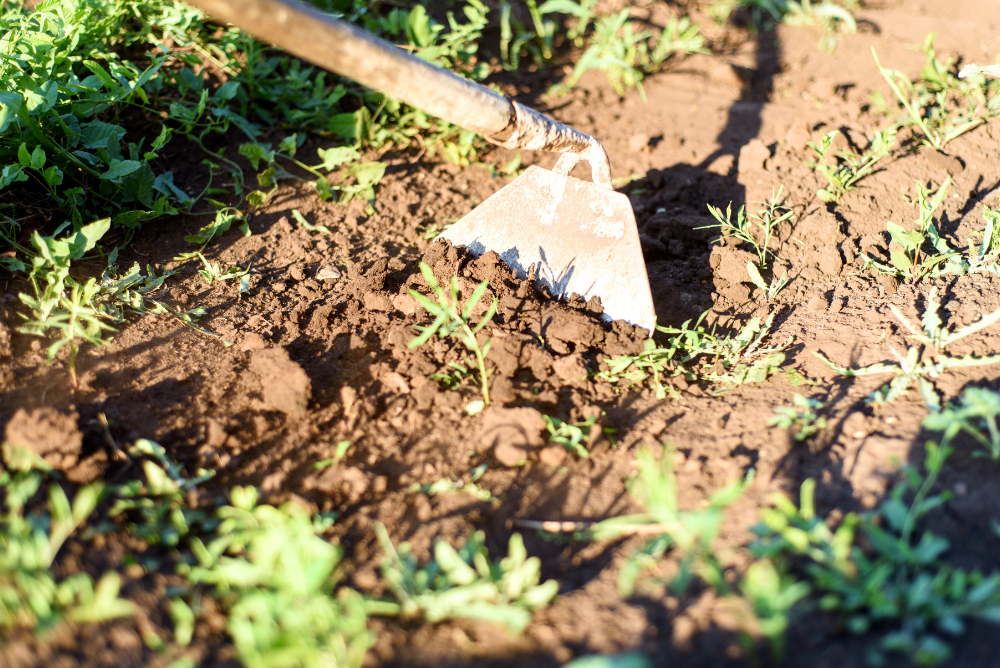
Particularly prevalent in May - warm, moist conditions encourage faster weed growth, so regular control is essential.
Hoe between rows on dry days and remove weeds while they are still small to stop them from spreading or setting seed.
Tip: A quick weekly hoe is more effective than occasional heavy weeding sessions.
Support and Train Strong Growth
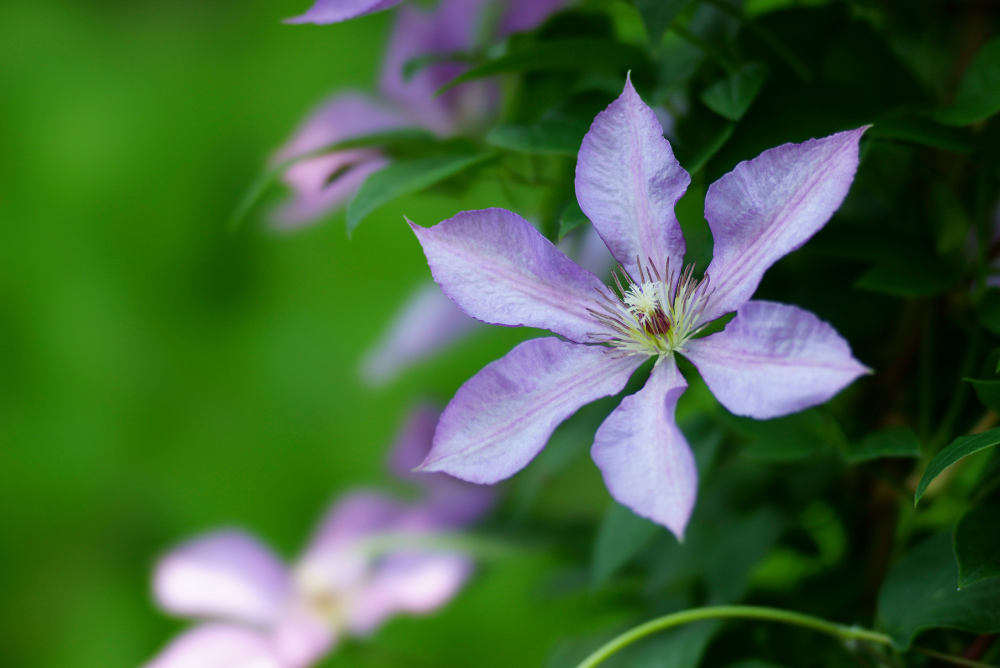
As plants enter rapid growth, structural support becomes increasingly important.
Tie in climbers such as Clematis, Loniceras and Sweet Peas as they respond quickly, helping to guide growth and reduce wind damage. Install supports early for taller perennials before they become top-heavy.
Tip: Check ties regularly - fast growth can quickly make them too tight and restrict stems.
Climbers to establish now
Many climbers perform particularly well in warmer conditions when given early support.
Clematis provide long flowering periods, honeysuckle adds fragrance and wildlife value, and sweet peas offer both ornamental and cut flower use.
Tip: Pinch out sweet pea tips when young to encourage bushier growth and more flowering stems.
Feed and Water for Rapid Growth
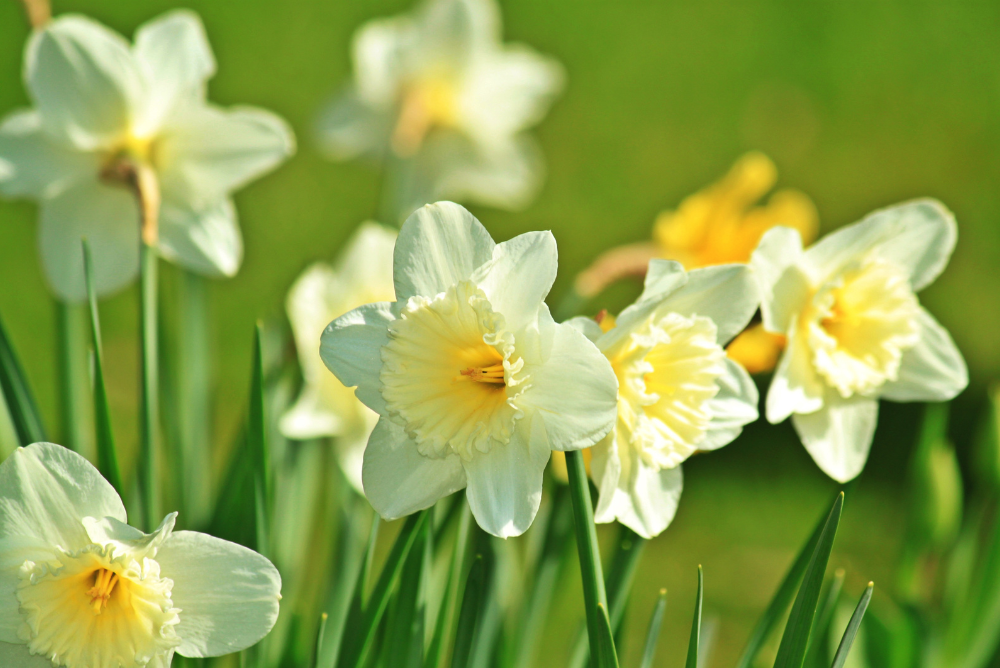
With growth accelerating, plants require consistent feeding and watering to maintain performance.
Apply liquid feeds to spring bulbs such as tulips and daffodils to support next year’s displays, and begin regular feeding of containers and hanging baskets. Lawns will benefit from a nitrogen-rich feed to encourage dense growth.
Water deeply and consistently, particularly for containers and newly planted areas.
Tip: Less frequent but deeper watering encourages stronger, more drought-resistant root systems.
Perennials to prioritise
Herbaceous perennials are now in full growth and benefit from targeted support.
Salvia and Echinacea provide long flowering and pollinator value, while Delphiniums and Lupins require staking due to their height and structure.
Tip: Apply mulch around perennials to conserve moisture and suppress weeds.
Check out our blog on the Perfect Plants for Pollinators.
Care for Your Lawn
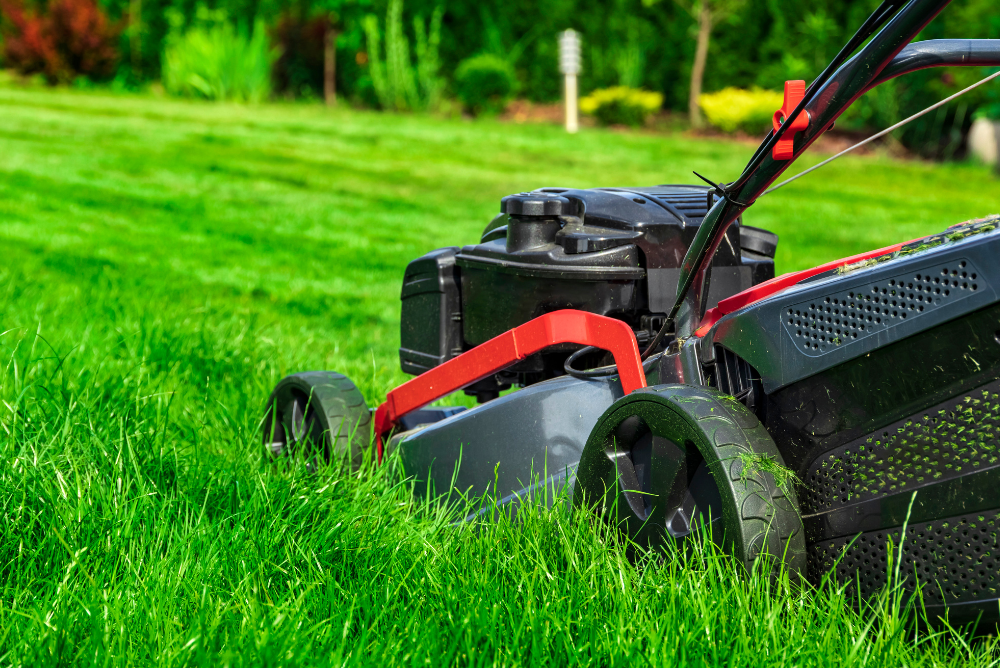
Lawns are now actively growing and require regular mowing to maintain quality.
Bare patches can be repaired or new turf laid while soil conditions remain favourable.
Tip: Raise mower blades slightly at first to avoid stressing fresh spring growth.
Stay Ahead of Pests
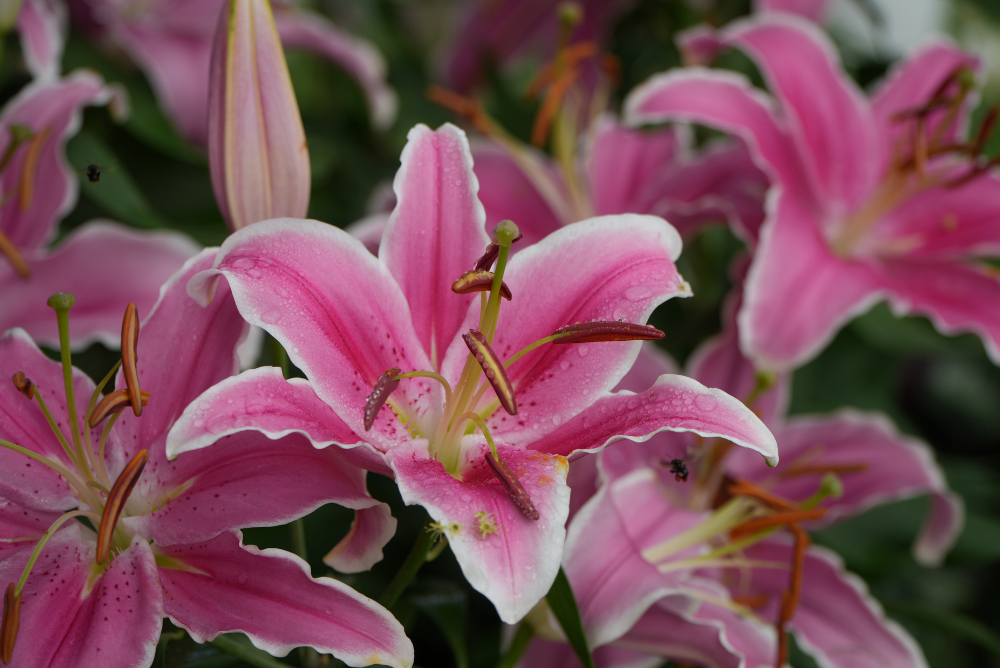
Warmer conditions bring increased pest activity, making regular inspection essential.
Watch for slugs and snails in damp areas, and check new growth for aphids or lily beetles before damage escalates.
Tip: Early-morning checks are often most effective, when pests are still active but less mobile.
Maintain and Refresh Your Garden
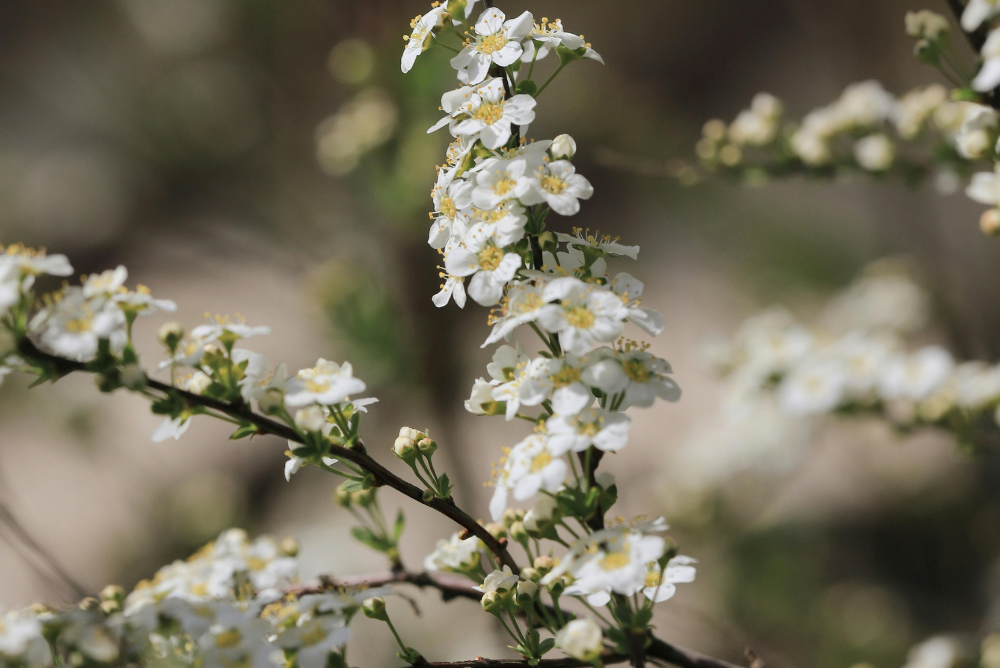
Ongoing maintenance keeps the garden tidy and encourages healthy development.
Prune spring-flowering shrubs after bloom to maintain shape. Remove spent bedding plants to make space for new displays, and ensure greenhouses are well ventilated during warm spells.
Check carefully for nesting birds before any hedge or shrub work.
Tip: A quick daily walkthrough helps you spot issues early before they become larger problems.
Plan Ahead for Fruit and Veg
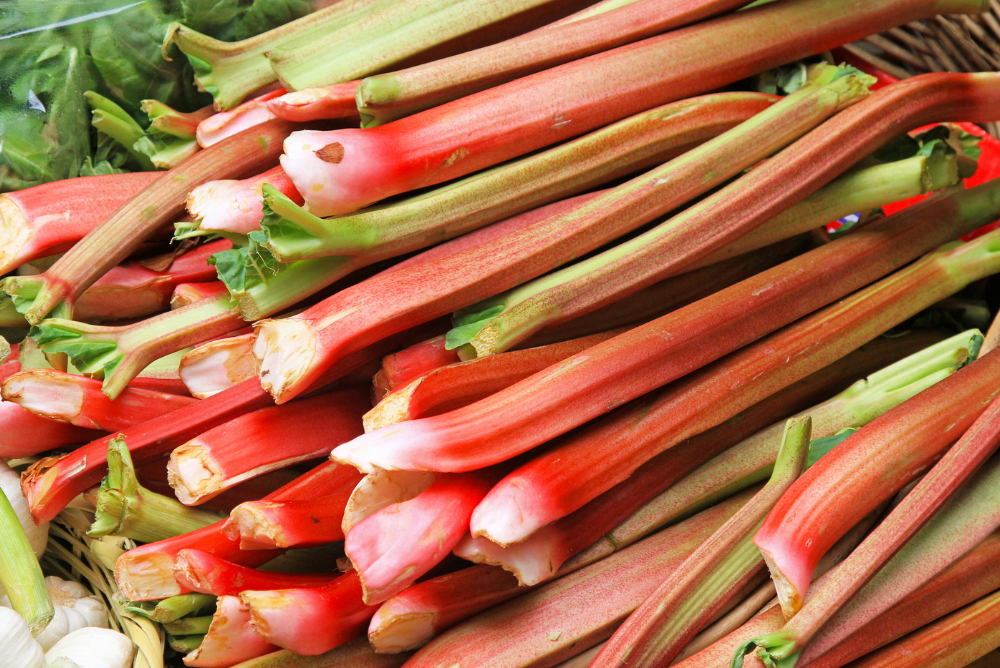
The kitchen garden is highly productive at this stage of the season.
Earth up potatoes as they grow, and continue sowing vegetables in succession for steady harvesting. Rhubarb can be picked regularly, and plants benefit from feeding to maintain vigour.
Remove strawberry runners to concentrate energy into fruiting.
Tip: Keep netting flexible so pollinators can access flowering crops when needed.
Parker’s Picks
Empathy Rootgrow Biofertiliser for Hydrangeas
Supplied as 1kg Packet
Shop now
Empathy Mini Meadow Wildflower Seed
Supplied as 500ml Packet
Packs of 5 & 10
Shop now
Doormat 'Lots of Pots’
Supplied as 23 x 53cm Doormat Inner
Pack of 1 & 2
Shop now
Love BeesBox
Shop now
Growing guides for May
Dahlias | Gladioli | Rhubarb | Tulips
More monthly jobs
Gardening Jobs for April | Gardening Jobs for March | Gardening Jobs for February | Gardening Jobs for January | View All Gardening Jobs