

 Back
Back


 Free Mystery Gift With Orders Over £50
 Free Delivery With Orders Over £60
 September Gardening Jobs

Posted by Tom Steel on 23rd Jan 2026
Gardening Jobs for February

As we move into February, days are slowly but surely getting longer, buds are beginning to swell, and the first hints of spring are in the air. The ground can still be cold and wet, however, so timing and care are critical when considering what to grow and do in the garden.
The tasks you tackle now set the stage for a smoother, more productive growing season. So let’s get started.
Jobs for fruit trees, bushes and roses
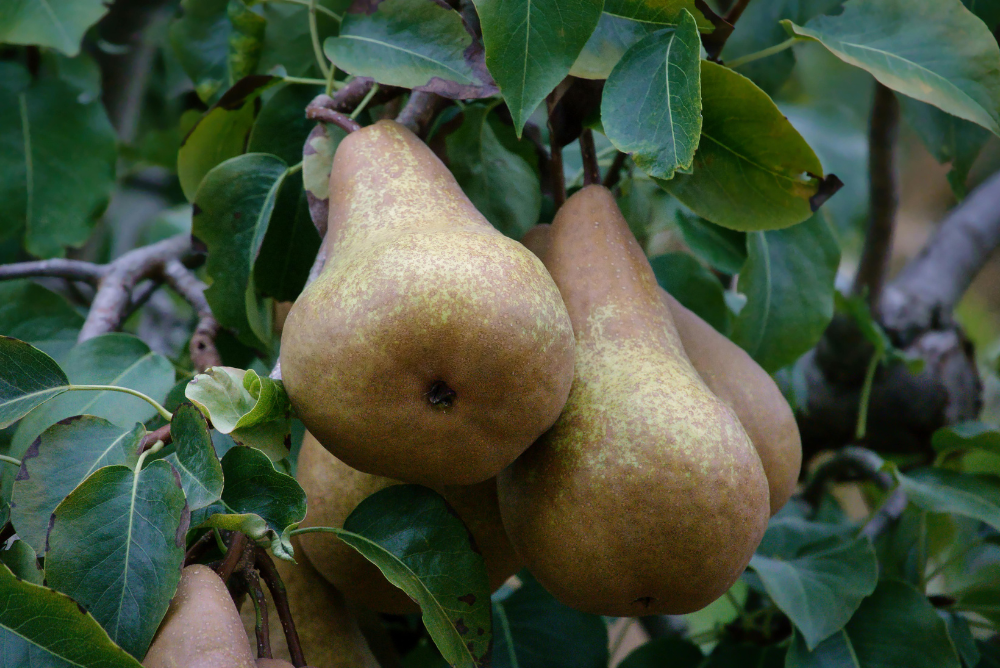
Prune apple and pear trees
Late winter pruning improves airflow, reduces disease, and encourages strong, fruitful shoots. Remove dead, crossing or congested branches, and always aim for clean, sharp cuts with disinfected tools. Avoid pruning if severe frost is expected.
Thin out currants, gooseberries and raspberries
Thin out crowded stems and remove old, unproductive canes to encourage vigorous growth. Early attention now makes summer harvesting far easier.
Shape bush and climbing roses
Cut back to outward-facing buds and remove weak or diseased stems. This opens up the plant, reduces disease pressure, and promotes stronger flowering later in the season.
Soil and bed preparation
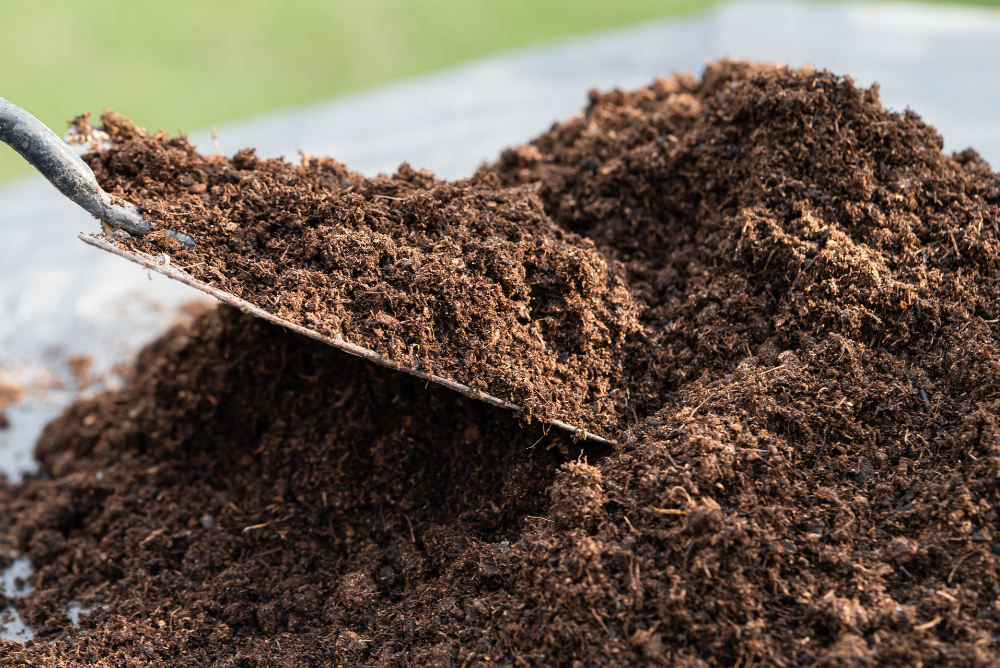
Incorporate organic matter
Even if planting is weeks away, adding well-rotted compost or organic matter improves structure, fertility, and encourages beneficial soil life. Work only on beds that are neither waterlogged nor frozen.
Protect and warm beds
Where soil is ready, cover beds with fleece, cloches or horticultural fabric. This moderates temperature, suppresses weeds, and prepares the soil for early sowing.
Plan crop rotation and succession
Sketch out where vegetables and flowers will go this year, taking rotation into account. Planning now helps avoid nutrient depletion and keeps future harvests abundant.
Early sowing under cover
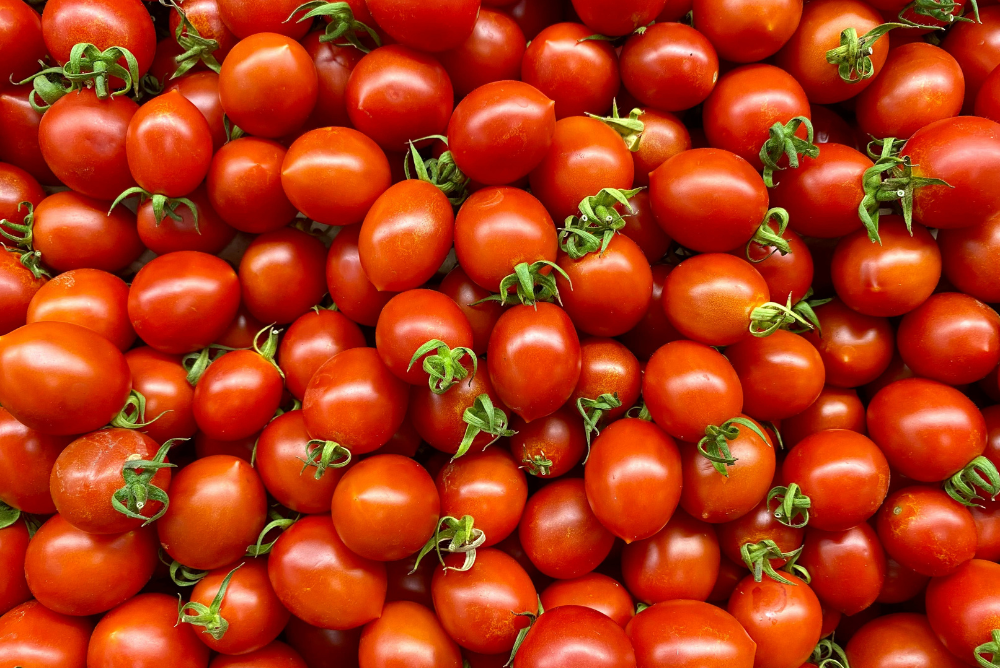
Sow tender vegetables
Tomatoes, aubergines, peppers and cucumbers can be started under glass or on a bright, warm windowsill. Use seed trays or modular pots, and maintain consistent warmth to encourage steady growth.
Start hardy annual flowers
Sweet Peas, Calendula and Delphiniums benefit from an early head start indoors. Starting now produces sturdier plants ready to harden off once the weather improves.
Chit seed potatoes
Place seed potatoes in a light, cool space to produce short, sturdy shoots. Early chitting means a head start for planting in March or early April.
Outdoor sowing (if soil is workable)
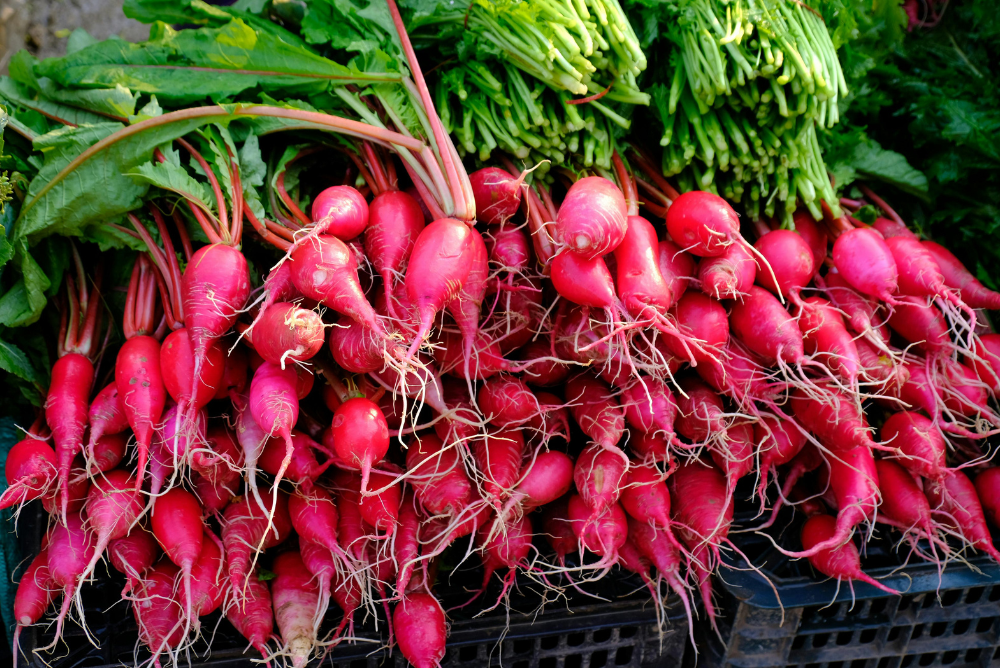
Sowing hardy vegetables
Broad beans, peas, radish, spinach, lettuce, carrots, parsnips and beetroot can be sown in mild, workable soil under protection. Use cloches or cold frames to protect young seedlings from frost.
Plant Jerusalem artichokes and garlic
Prepare beds and plant tubers and cloves in well-drained soil. Early planting gives roots and shoots time to establish before the full growing season begins.
Planting bare-root trees, bushes and fruit
Choose frost-free days for bare-root planting. Carefully prepare planting holes, water in well, and mulch around the base to retain moisture. Young roots establish more easily in dormant plants, giving a strong start for spring.
Protection and general garden care

Frost protection and plant support
Check ties, stakes and nets before growth accelerates. Use fleece, cloches or horticultural fabric to safeguard tender crops and blossoms.
General tidying
Remove dead material from beds, edges and borders. Brush moss and algae from paths, tidy patios, and keep lawns in check with a light, high-cut mow when conditions allow.
Mulch and feed
Apply a light mulch to exposed soil to conserve moisture and suppress early weeds. Early feeding of winter brassicas helps plants develop steadily.
Greenhouse, containers and indoor plants
Increase ventilation on mild days to reduce condensation and prevent fungal problems. Check overwintered plants for pests such as aphids, repot houseplants into fresh compost, and organise trays and pots to make spring sowing more efficient.
Prepare for the season ahead
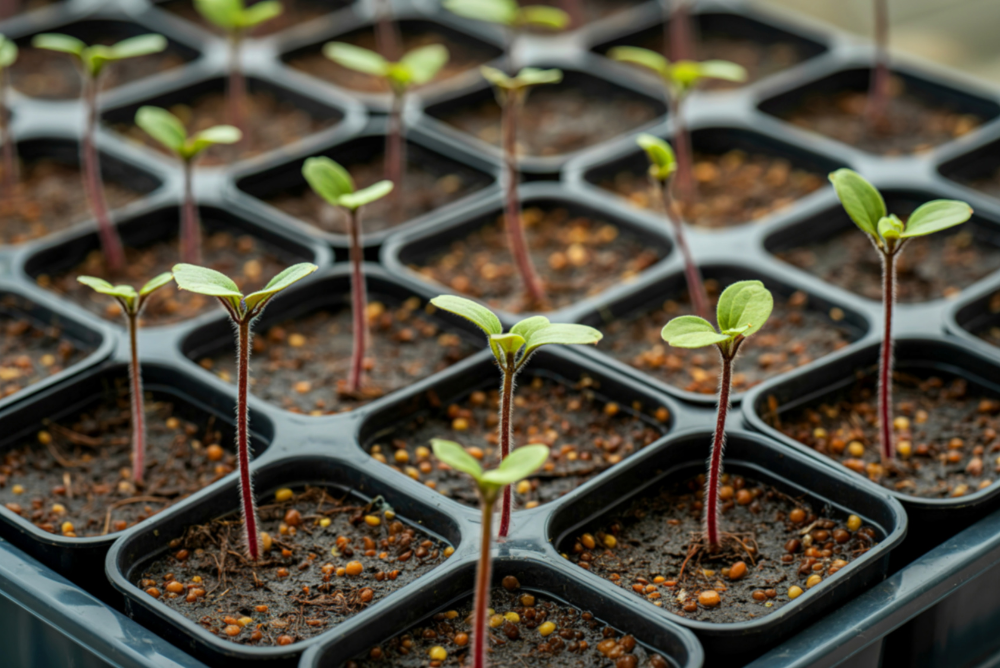
February is ideal for reviewing seeds, tools, supports, composts and plant protection materials. Order any varieties or equipment early to avoid spring shortages. Prepare seed trays, plant supports and covers now so you can focus on planting rather than scrambling later.
Just remember: Work with the conditions, stay flexible, and let the garden set the pace. The rewards of a well-prepared garden will soon follow.

Parker’s Picks
Begonia Giant Cascading Mix
Supplied as 3-4cm Tubers
Shop now
Dahlia ‘Cornel Brons’
Supplied as Top-Grade Tubers
Shop now
Blueberry New All Season Collection
Supplied as 20-25cm Plants in 9cm Pots
Shop now
Vegetable Patch Seed Collection
Supplied as Pack of Seeds
Shop now
Growing guides for February
Begonias | Buddleia | Jasmine | Roses