

 Back
Back


 Free Mystery Gift With Orders Over £50
 Free Delivery With Orders Over £60
 September Gardening Jobs
Posted by Amber Williams on 15th Nov 2022
How to Grow Flowers from Seed - Gardening for Beginners
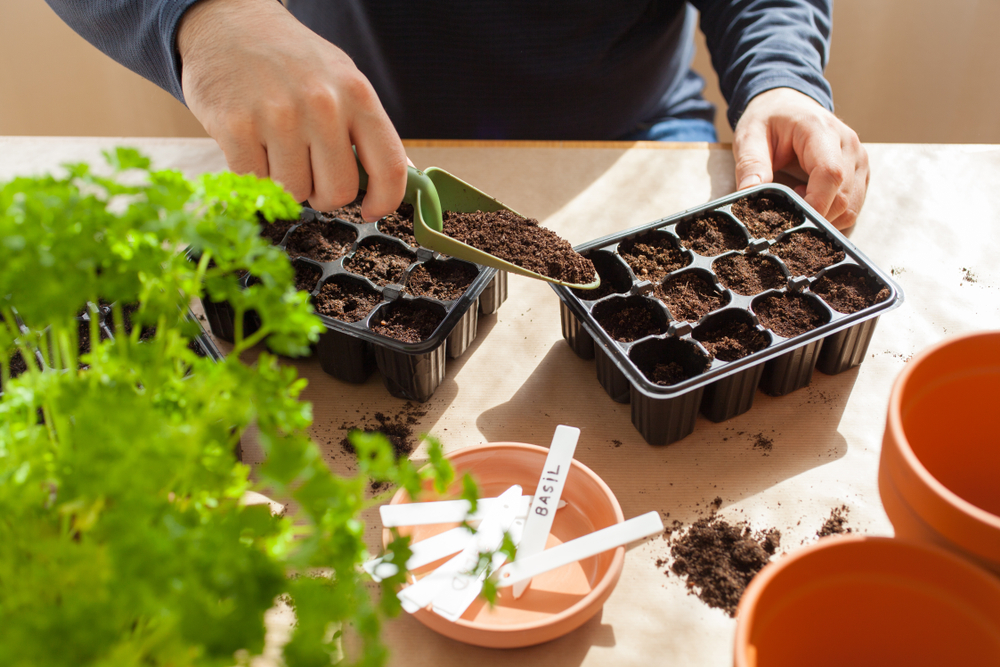
Planting, or sowing, seeds can be a confusing process – especially if it’s all new to you! If you learn how to plant flowers from seed, you can save yourself a lot of money on your garden.
Sowing flower seeds is essentially like making a flower from scratch. It’s a longer growing process, but if you have the patience then they will truly thrive. Here’s how to sow flowers indoors and outdoors.
How to Sow Flower Seeds Indoors
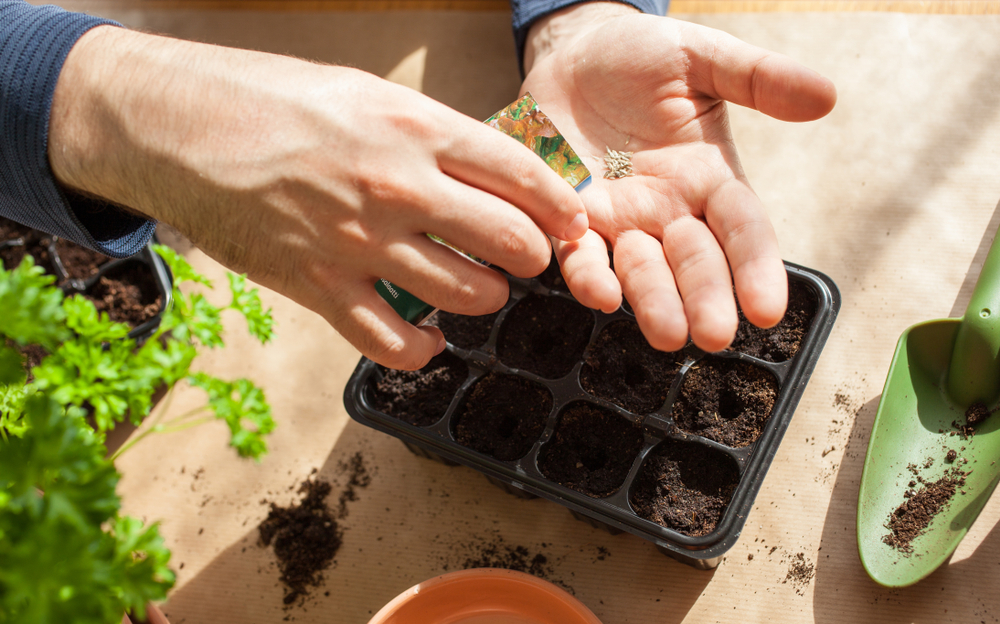
Sowing flowers indoors is easier than you might think. Many gardeners buy special propagators, but really all you need are some inexpensive seed trays and some sandwich bags. If you struggle to find seed trays, you could even use empty (rinsed out!) yoghurt pots with a small hole poked through the bottom. An old plastic pot from a shop-bought plant would work fine too.
Multipurpose compost is fine to use for most seeds unless they’re really tiny. Then, you might use a specific ‘seed compost’ which is a finer mix. Sandwich bags are incredibly useful when sowing seeds indoors. They create a DIY propagator, evening out the temperature and helping the seeds germinate. Pop the bag (or some cling film) over the seed vessel and fix it with an elastic band. Remove the bags or film once the shoots begin to show.
To sow seeds, use the following method:
1 - Fill your tray or pot with compost. Wet it through with water and allow it to drain.
2 – Scatter the seeds evenly on the surface of the compost. If they’re big enough, leave about 2-3cm between each seed. If they’re smaller, it’s not to be worried about as they’ll be too small.
3 – Cover seeds with a thin layer of compost, giving them a depth of the same size as the seed.
4 – Cover the pot with your sandwich bag or cling film, fastening it with an elastic band. Pop the seeds somewhere well-lit and warm, like on a windowsill.
5 – Remove these covers once you start to see seedlings. Continue to grow them somewhere warm.
6 - ‘Prick out’ the second set of leaves that appear on your seedling, also known as ‘true leaves’. This will help the plant grow big and strong and is essential to help them thrive.
7 – At this point, it’s time to move the seedlings into bigger accommodations. Be gentle when handling seedlings. Avoid touching their stems as this can disrupt their growth. Pop them into a larger pot with compost, spacing them apart by 5cm per seedling.
8 – After a few weeks of growth, your young plants will be ready to move outdoors or into individual pots (if the weather isn’t quite appropriate for the plant to thrive). Be gentle with the plants when planting them out, watering them well once they’re in the ground.
How to Sow Flower Seeds Outdoors
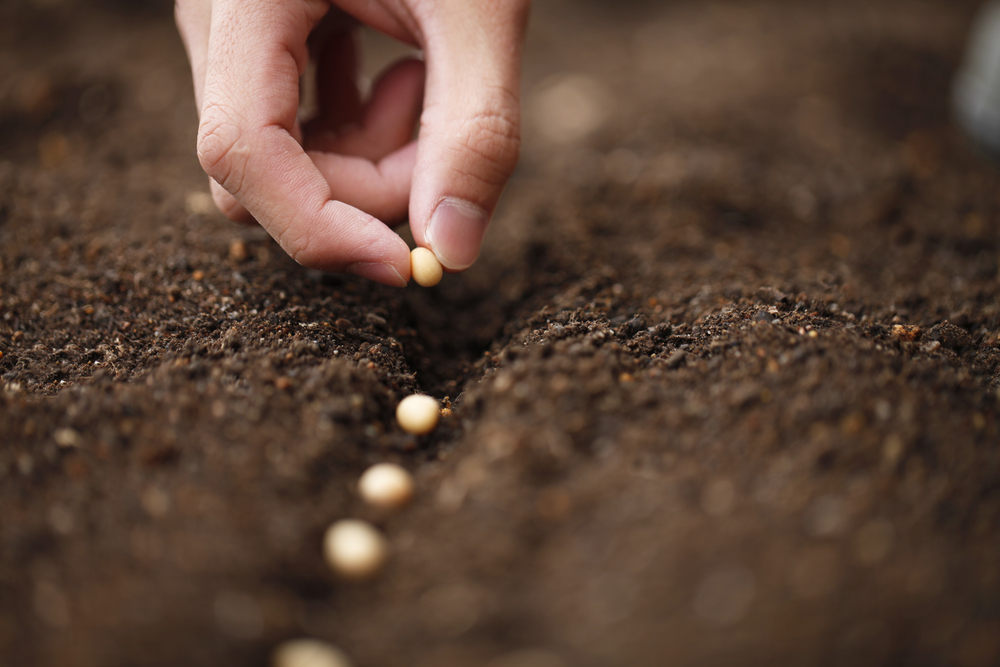
Once spring and summer roll around, it’s the perfect time for seeds and seedlings to be sown and grown outdoors. Frost-hardy seeds can be grown directly outdoors, but for seedlings and tender varieties, it’s best to wait until the risk of frost has passed.
Prepare your sowing site, removing any rocks, stones, and clumps of soil. Create shallow drills (grooves) with your trowel. The smaller the seed, the shallower the grooves will need to be (but check each seed’s growing instructions). Sow each seed along the groove, spacing them apart to the specs on their instructions. Push the soil from either side of the drill together to cover the seeds.
Break up large chunks of soil as you go and pat the soil down. Water gently, trying not to disturb the seeds. And there you have it! A beginner’s guide to growing flower seeds. This method will also work for many vegetable seeds. However, if you’re after a full guide to growing and sowing vegetable seeds, we have one of those too!
Shop flower seeds online here.