

 Back
Back


 Free Mystery Gift With Orders Over £50
 Free Delivery With Orders Over £60
 September Gardening Jobs
Posted by Tom Steel on 26th Nov 2025
Gardening Jobs for December
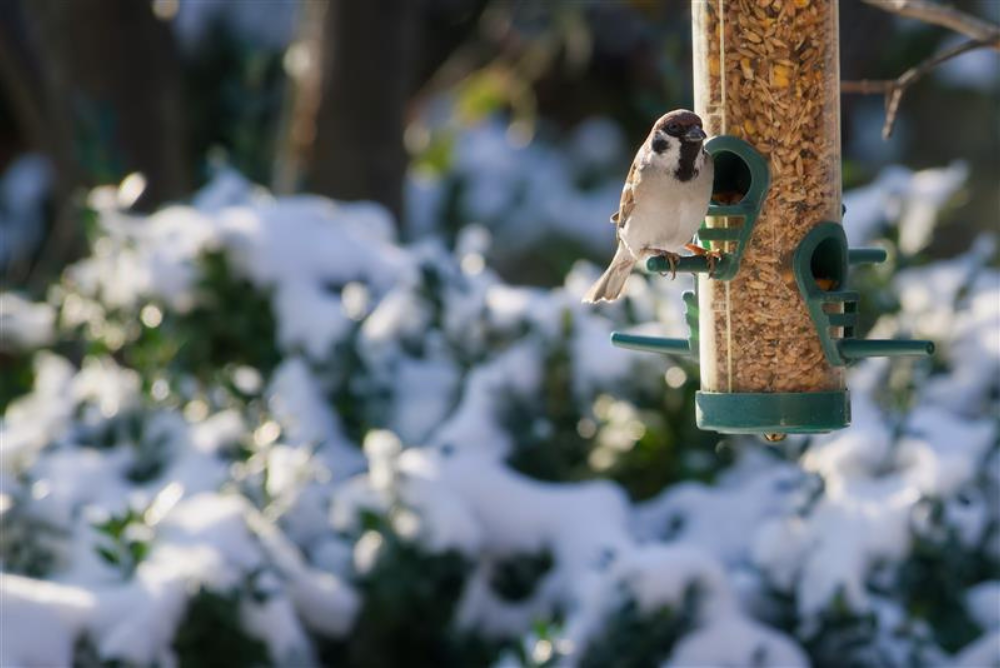
The festive season is well and truly upon us! But while the end of the year is so often known for its frantic pace, the garden enters a calm yet crucial phase. December isn’t about big displays or busy planting - it’s about protection, preparation and thoughtful maintenance.
With the garden stripped back, this quieter month invites you to focus on the simple tasks that matter most. Whether it’s pruning dormant trees, tidying borders or giving wildlife a helping hand, the work you do now will make all the difference once spring returns.
What to plant in December
Plant bare-root deciduous trees and shrubs
December is an ideal time to plant bare-root trees, hedging plants and deciduous shrubs while they’re fully dormant. As long as the soil isn’t frozen or waterlogged, they’ll establish well over winter and burst into growth come spring.
Add winter-flowering shrubs for scent and structure
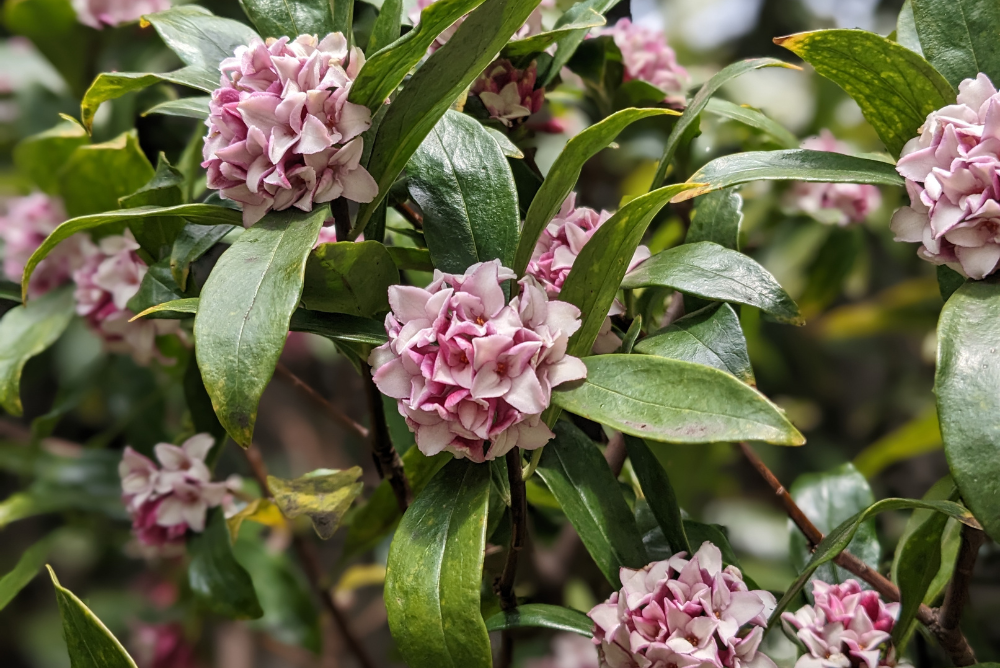
Brighten the winter garden with fragrant, winter-flowering shrubs such as Sarcococca, Chimonanthus and Daphne odora. These shrubs thrive in the colder months, adding perfume, evergreen structure and off-season interest.
Sow alpine seeds under cover
Many alpines need a natural cold period to trigger germination, making December a great month to sow them. Use a cold frame or place seed trays outside beneath a sheet of glass to keep excess moisture off while allowing chilling.
Plant bare-root roses
December is also prime time for planting bare-root roses. Plant them in well-prepared soil, avoid areas where roses have previously grown, and mulch lightly to protect roots over winter.
Garden jobs for December
Trees, shrubs and climbers
Prune apples and pears
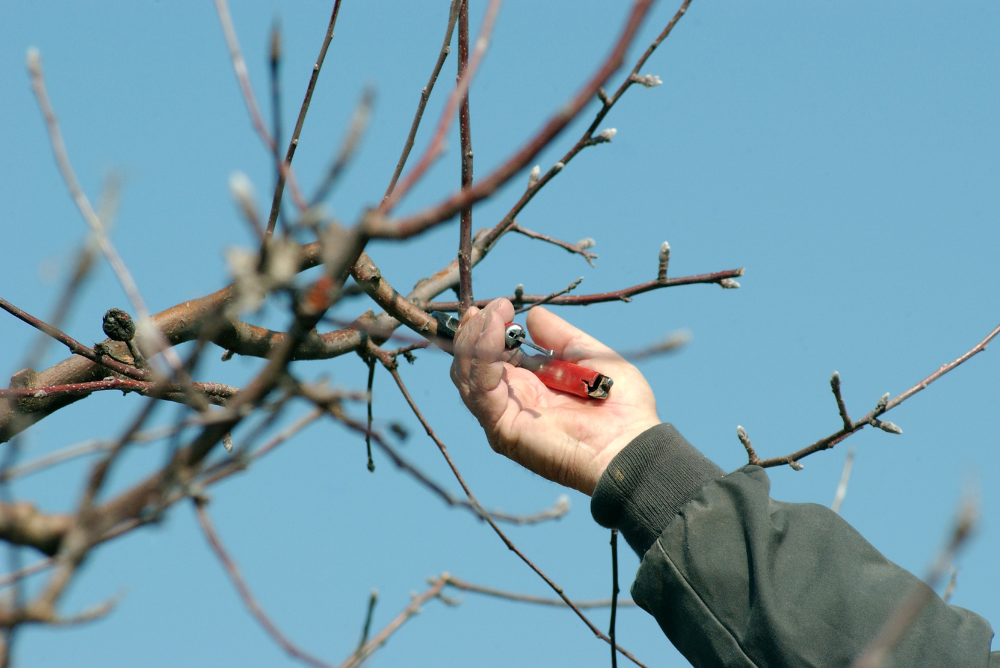
These fruit trees can be shaped and thinned while fully dormant. Remove crossing branches, open the canopy and cut out dead wood to improve next year’s fruiting.
Tip: Aim for an open “goblet” shape to maximise airflow and light.
Cut back birch, maple and vines before the year ends
Betula, Acer and Vitis species bleed sap if pruned later in winter, so December is the ideal window.
Tip: Make clean, angled cuts just above a bud to reduce dieback.
Check and secure stakes and tree ties
Winter winds can loosen newly planted trees. Check stakes and ties, tightening or replacing them as needed.
Tip: Leave a little slack in ties so they don’t cut into the bark.
Take hardwood cuttings
Many deciduous shrubs - such as dogwood and willow - can be propagated now.
Tip: Place cuttings in a sandy trench or pots of gritty compost to encourage rooting.
Flowers, perennials & beds
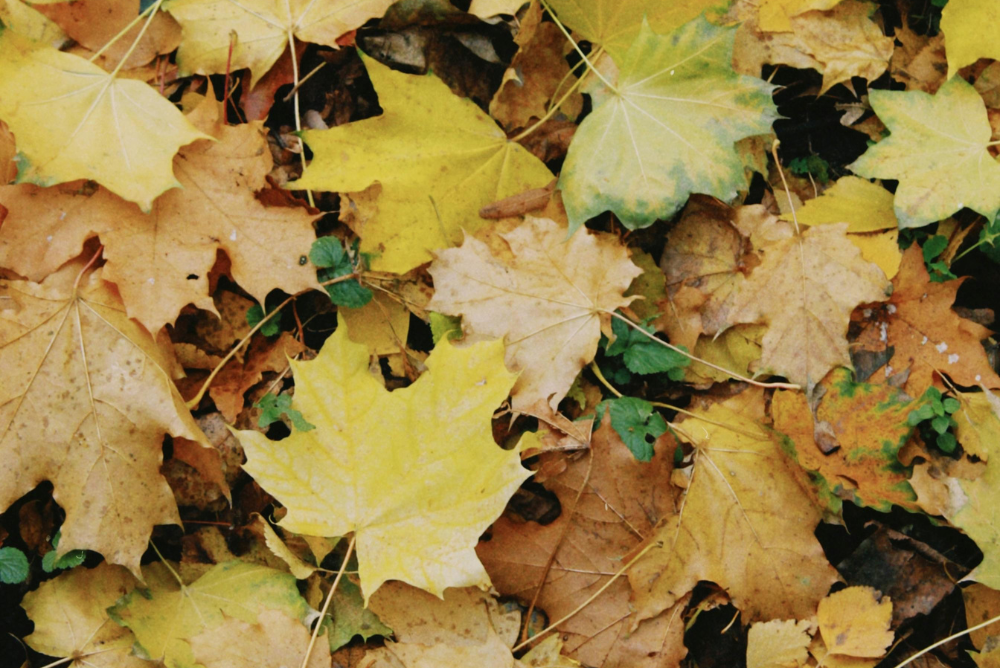
Clear fallen leaves from beds
Remove heavy layers of leaves from borders to prevent damp and fungal problems.
Tip: Save healthy leaves to make nutrient-rich leaf mould.
Protect borderline-hardy perennials
A winter mulch helps shield roots of plants like Salvia and Penstemon during severe frosts.
Tip: Keep mulch away from stems to avoid rot.
Divide herbaceous perennials
On mild days, you can still lift and split older clumps to rejuvenate tired borders.
Tip: Replant divisions quickly so roots don’t dry out.
Lift and store Dahlia tubers
If not already done, dig up tubers and store them in a cool, dry place.
Tip: Dust them with sulphur powder to prevent mould.
Fruit & vegetables
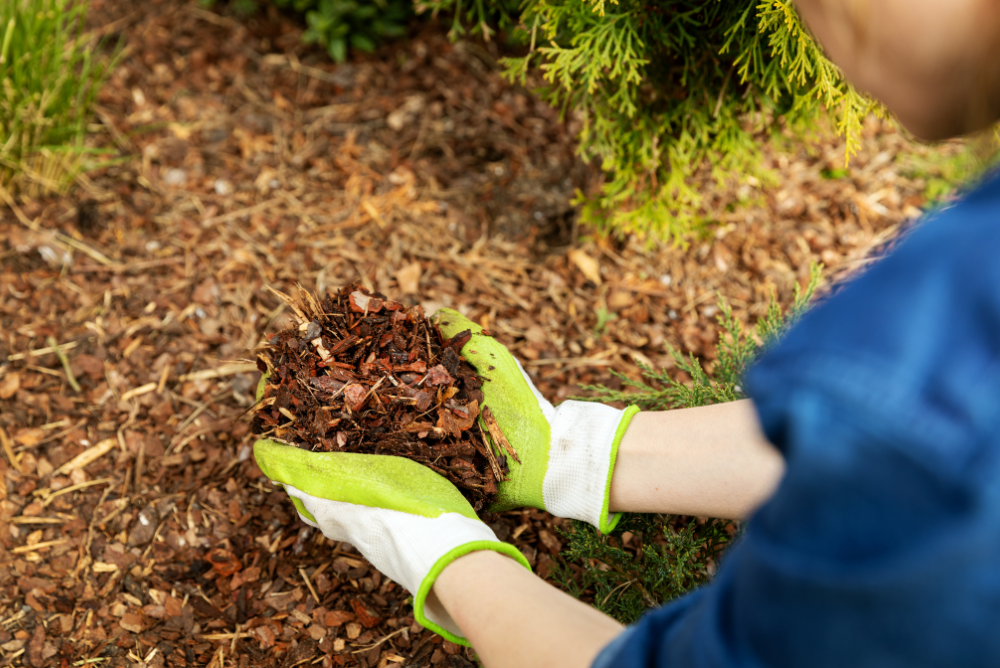
Mulch fruit bushes and cane fruit
A thick organic mulch protects roots and helps keep weeds at bay.
Tip: Leave a small gap around stems to prevent rot.
Inspect stored crops
Check stored apples, potatoes and squash, removing any spoiled produce immediately.
Tip: Wrap apples individually in newspaper to extend freshness.
Plan next year’s vegetable beds
Use December to organise crop rotations and order seeds for spring.
Tip: Avoid planting the same crop family in the same spot each year to reduce disease risk.
Greenhouse & houseplants
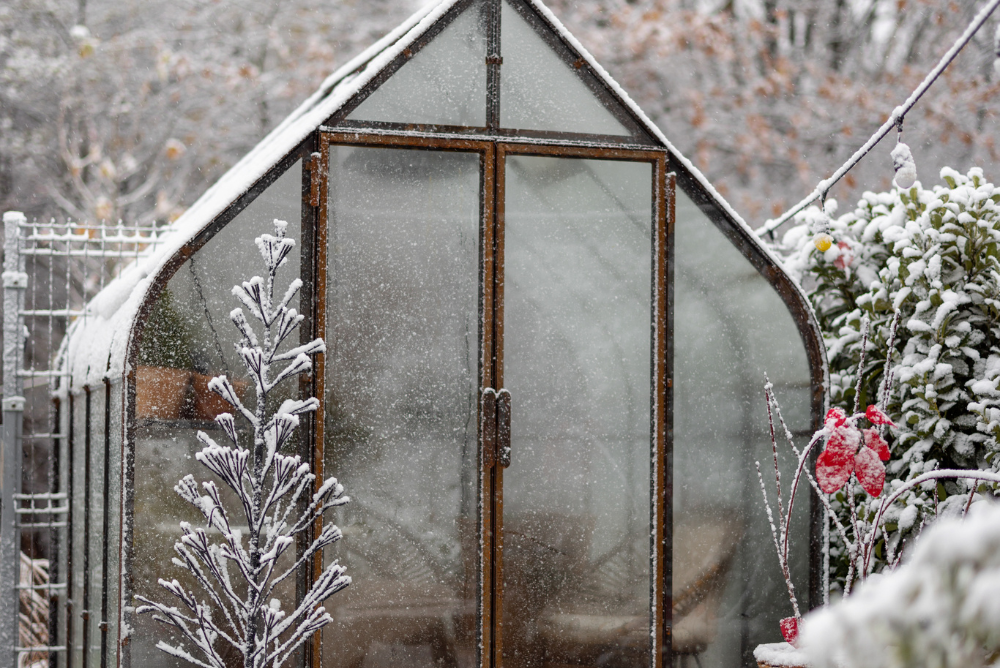
Insulate your greenhouse
A layer of bubble wrap inside the greenhouse helps retain heat during frosty nights.
Tip: Use greenhouse clips rather than tape for a secure, long-lasting fix.
Reduce watering
Most houseplants need only minimal moisture now - overwatering is the biggest winter risk.
Tip: Water only when compost feels just dry beneath the surface.
Assess heaters and ventilation
Ensure heaters are functioning and ventilate lightly on mild days to reduce condensation.
Tip: A min-max thermometer helps track temperature swings.
Watch for overwintering pests
Scale, mealybugs and whitefly thrive in indoor warmth. Inspect plants regularly.
Tip: Wipe leaves gently with a damp cloth to remove early infestations.
Ponds, wildlife & general care

Prevent ponds from freezing over
Keeping a small area ice-free allows gas exchange and protects fish.
Tip: Float a tennis ball in the pond - removing it breaks a small hole in surface ice.
Support garden wildlife
Birds rely heavily on gardens in winter, so top up feeders and provide fresh water.
Tip: Clean feeders regularly to stop disease spreading.
Clean and sharpen tools
Winter is ideal for maintaining secateurs, shears and loppers.
Tip: Wipe metal parts with an oily cloth after sharpening to prevent rust.
Tidy the lawn lightly
Remove leaves or debris sitting on the lawn to prevent smothering and mould.
Tip: A gentle rake or even a quick sweep with a brush protects grass from winter damage.
Review garden structure
With foliage gone, December is perfect for assessing gaps, planning changes and noting where winter interest could be improved.
Tip: Take photos now - they’re invaluable for spring redesigns.
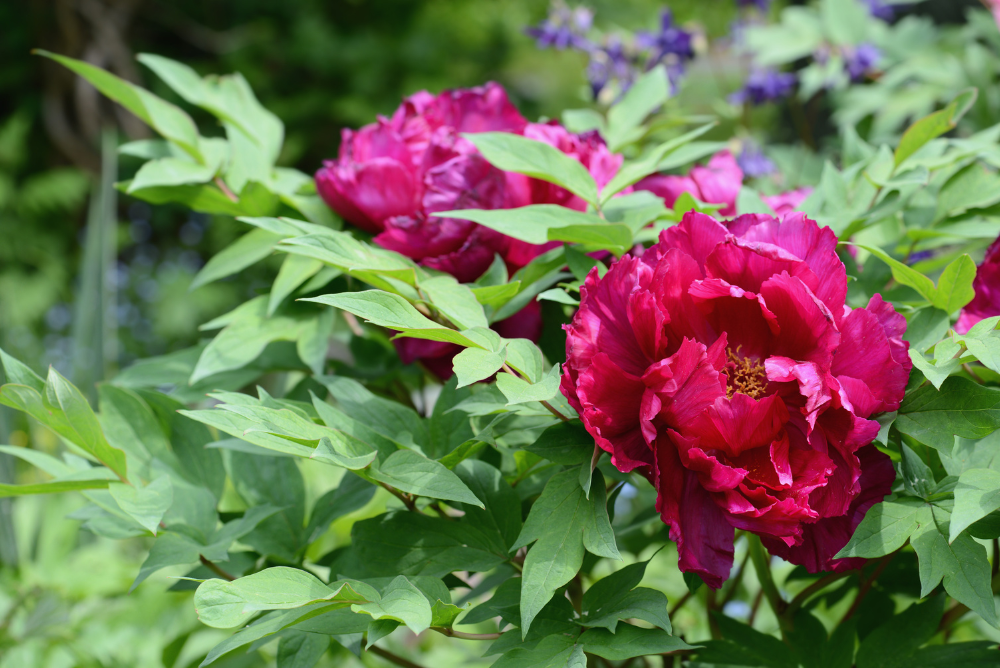
NEW PLANTS FOR DECEMBER
Hydrangea serrata ‘Bluebird’
Supplied as 2 Litre Pot Grown Plants
Shop now
Paeonia lactiflora ‘Karl Rosenfield’
Supplied as First Grade Loose Roots
Shop now
NEW TOOLS FOR DECEMBER
Wilkinson Sword Leather Tool Pouch
Shop now
Folding Kneeler Seat
Shop now
Growing guides for December
Dahlias | Daphnes | Roses | Salvias
More monthly jobs
Gardening Jobs for September | Gardening Jobs for October | Gardening Jobs for November | View All Gardening Jobs