

 Back


 Free Delivery With Orders Over £60
 October Gardening Jobs

Posted by Tom Steel on 25th Sep 2026
Gardening Jobs for October
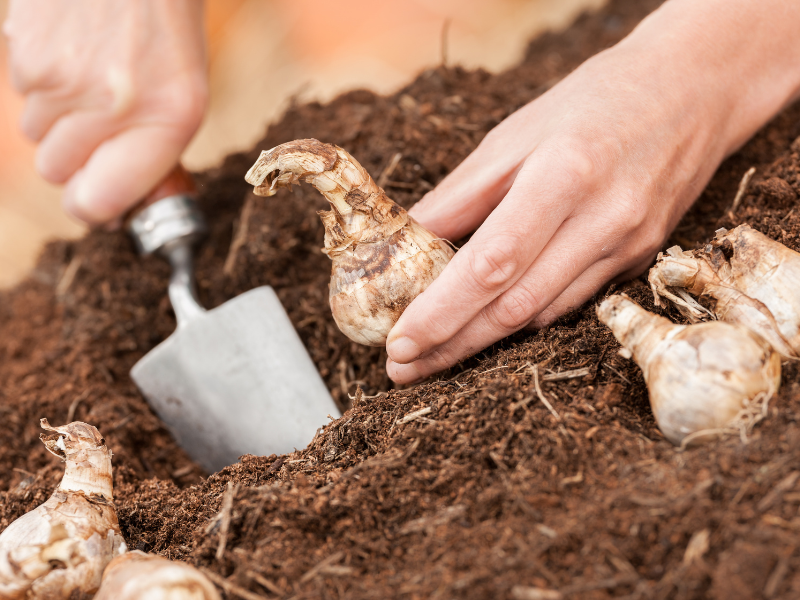
It may be hard to believe, but we're already deep into autumn, and October is a pivotal month in the gardening calendar. As temperatures continue to drop and we find ourselves assessing the successes of our summer harvests, there’s plenty that we can be doing right now to prepare for the months ahead.
From planting spring-flowering bulbs to giving the lawn some autumn care, we have the gardening tips and tricks to help you embrace the change and get your garden ready for winter.
What to plant in October

Plant spring-flowering bulbs
Getting Narcissi, Crocuses, Fritillarias and Hyacinths into the ground now allows roots to establish before winter, setting the stage for a bright and colourful display when spring arrives.
Establish bare-rooted trees, shrubs and climbers
With the arrival of cooler weather and damp soil, now is the time to start planting bare roots. Add deciduous trees, flowering shrubs or climbers to the garden this month, giving them time to establish roots before spring growth kicks in.
Sow green manure crops
If vegetable beds are empty, sow green manure crops such as field beans, clover or winter rye. These fast-growing plants help improve soil structure, suppress weeds, and return nutrients to the ground when dug in before spring planting.
Give herbaceous perennials a head start
October is a good month to plant new herbaceous perennials, while the soil remains warm and moist. Getting them established before winter gives their roots time to settle in, ready for healthy growth when spring arrives.
Garden jobs in October

Move tender plants indoors
As the nights get colder, it’s time to bring in tender plants like Cannas, Coleus, and Pelargoniums. These won’t survive a frost, so move them into a conservatory, greenhouse, or another suitable frost-free space.
Tip: Check for pests before bringing them in. A quick rinse or wipe down can help prevent unwanted visitors from settling in over winter.
Prune Roses
Give Climbing Roses a tidy-up to help prevent windrock over winter and keep plants healthy. Remove dead, damaged or diseased growth, and tie in any loose stems to their supports.
Tip: Cut just above an outward-facing bud, removing any dead, damaged or diseased stems as you go.
Lift and store tender tubers
Once foliage has blackened from frost, lift Dahlias and other tubers to dry and store. Leaving them in the ground can put them at greater risk of rot, particularly in heavy or poorly drained soil.
Tip: Brush off excess soil and allow tubers to dry thoroughly before storing them somewhere cool and frost-free in paper, cardboard or dry packing material.
Give the lawn some autumn care
October is a good time to give lawns some attention before winter. Keep grass clear of fallen leaves and tackle thatch or moss where necessary, making the most of mild, dry spells before growth slows.
Tip: Avoid working on the lawn when the soil is very wet, as walking or using heavy equipment on saturated ground can compact the soil.
Check trees and plant supports
Autumn winds can put extra strain on trees, shrubs and climbing plants, so check stakes, ties, trellis and other supports before the weather turns more unsettled.
Tip: Make sure that tree ties aren't too tight. They should provide support while still allowing the trunk enough movement to grow naturally.
Clean and prepare the greenhouse
Before winter really sets in, give the greenhouse a thorough clean. Remove dead plant material, wash the glass to maximise available light and check that vents, doors and frames are working properly.
Tip: Clean pots, trays and tools before bringing plants under cover. This helps reduce the chance of pests and diseases carrying over into the winter.
Other tasks to tackle in October
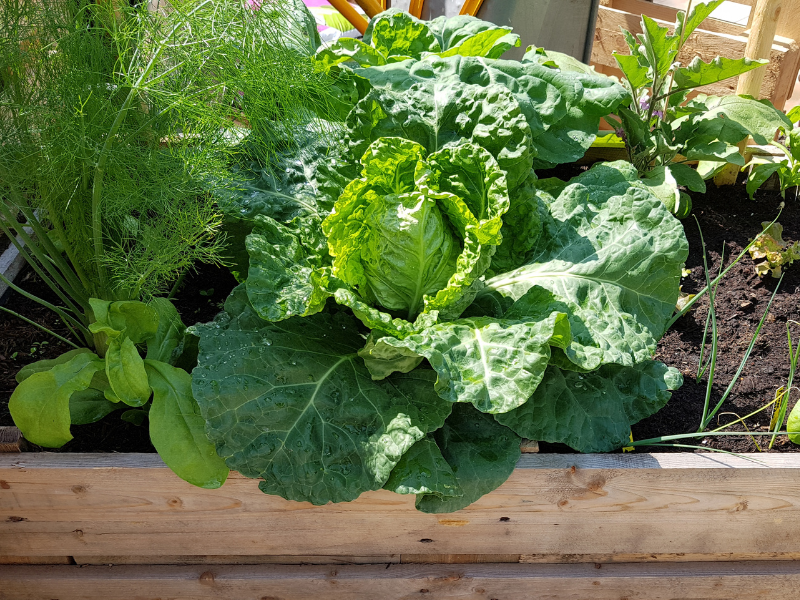
Plan next year’s garden
Autumn’s arrival presents the perfect opportunity to reflect on this year’s successes and challenges. If the inspiration takes you, use your garden journal or sketchpad to plan next year’s layout, crop rotation, and new varieties to try. Early planning means you’ll be ahead when the spring rush begins.
Tip: Start ordering seeds and plants now to avoid disappointment and take advantage of early-bird offers.
Protect vulnerable plants
Frost and chilly winds can be tough on tender perennials and shrubs. Apply a generous mulch of straw, bark chips, or leaf mould around the roots to insulate them. For more delicate plants, consider using horticultural fleece or cloches for extra warmth.
Tip: Remove mulch gradually in spring to prevent fungal problems and encourage healthy new growth.
Prepare vegetable beds for winter
Once summer’s crops are cleared, give your vegetable beds a nourishing boost. Dig in plenty of well-rotted compost or organic matter to enrich the soil and improve its structure over winter. Adding a thick layer of mulch helps protect the soil from frost and erosion.
Tip: Avoid digging too deeply if your soil is wet - this can damage the soil structure. Instead, wait for a dry day or lightly fork the surface.
Vegetables for October sowing
Plant garlic
Planting garlic cloves now gives them a chance to establish roots before winter and get off to a strong start when growth resumes in spring. Choose healthy planting cloves and plant them in fertile, well-drained soil.
Tip: Avoid planting garlic in waterlogged soil, as excess moisture can cause cloves to rot over winter.
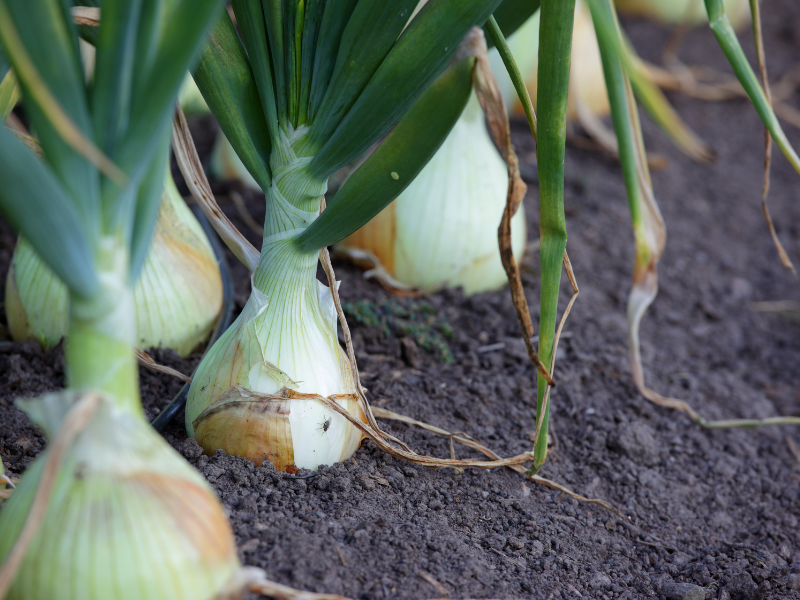
Grow overwintering onions
A There’s still time to plant overwintering onion sets, which will establish before winter and begin growing again as temperatures rise in spring. Choose a suitable autumn-planting variety and give it a sunny spot in well-drained soil.
Tip: Keep the area around onion sets weed-free. Their shallow roots can struggle to compete with weeds, particularly as growth gets going in spring.
Sow broad beans
Hardy varieties of broad beans can be sown in October, particularly in mild or sheltered parts of the UK. Autumn sowing allows plants to establish before winter, giving them a head start when spring arrives.
Tip: If your garden has heavy or poorly drained soil, sow seeds into pots or modules under cover instead. This can give young plants better protection from wet winter conditions.
Get overwintering peas off to a start
A Overwintering varieties of peas can be sown in October, although they're best suited to mild areas. Sowing now allows the plants to establish before winter and can lead to an earlier crop next year.
Tip: Protect freshly sown peas from mice, which can be attracted to the seeds. Growing them in pots or containers under cover can help protect young seedlings while they get established.
New Tools & Outdoor Living
Gardena Hand Trowel Large
Packs of 1
Shop now
GlowCap Rattan Mushroom Large
Supplied as Solar Lights
Pack of 1
Shop now
Toscana Firepit
Pack of 1
Shop now
EasyBag – 150L
Pack of 1
Shop now
Growing guides for October
Canna Bulbs| Crocus| Hyacinth| Narcissus
More monthly jobs
Gardening Jobs for January | Gardening Jobs for February| Gardening Jobs for March | Gardening Jobs for April| Gardening Jobs for May | Gardening Jobs for June | Gardening Jobs for July| Gardening Jobs for August| Gardening Jobs for September