
 Back
Back


 Free Delivery With Orders Over £60
 October Gardening Jobs

Everything You Need to Know
About Growing Nepeta & Calamintha
Known for their soft, airy look and strong pollinator appeal.
What We've Included:
When To Plant | How To Plant | Where To Plant | Aftercare | Common Issues | Flowering Time | Inspiration
About Nepeta & Calamintha
Nepeta and Calamintha are two of the easiest and longest-flowering perennials you can grow.
While they share a soft, airy look and strong pollinator appeal, they’re botanically distinct: Nepeta belongs to the catmint group, whereas Calamintha (or calamint) is part of a separate genus in the mint family.
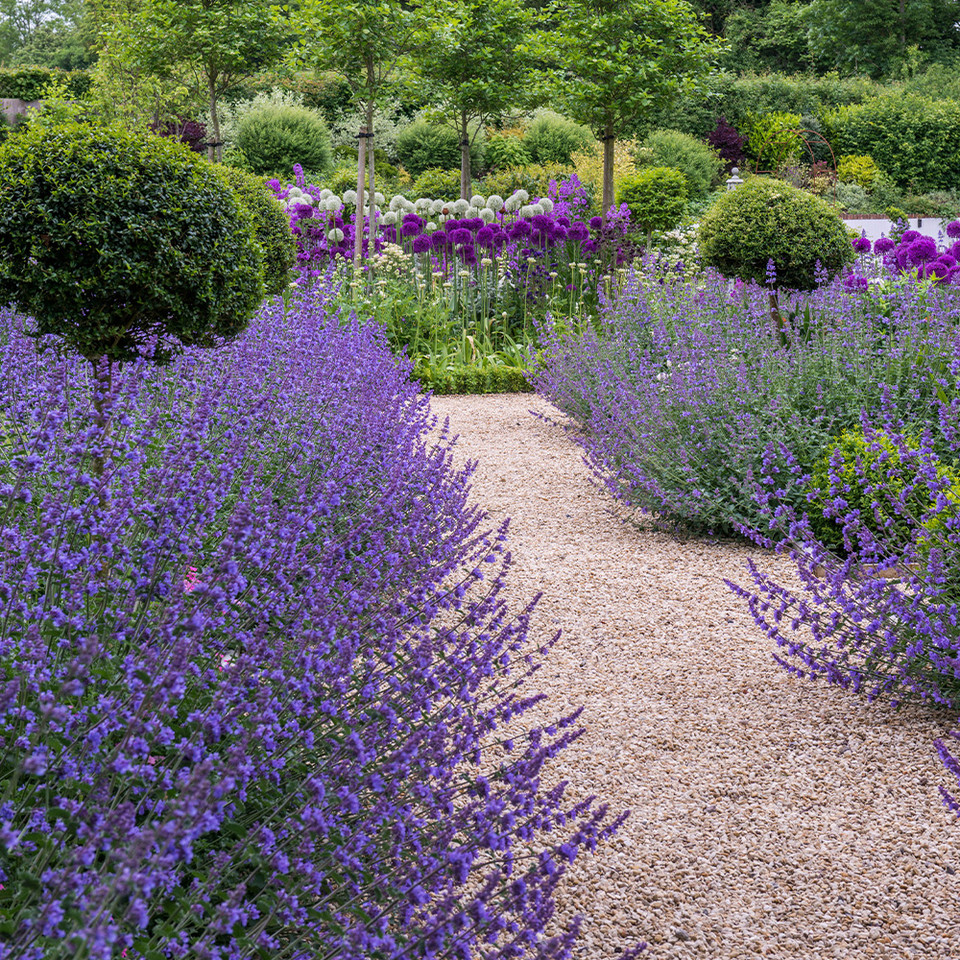
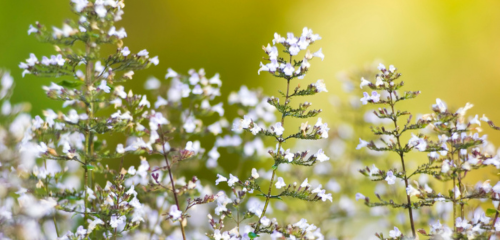
Nepeta tends to be taller, with early, blue-toned blooms; Calamintha remains compact and produces clouds of tiny white or pale pink blossoms later in the season.
New to these plants? Here's everything you need to know to get growing with confidence.
When to Plant Nepeta & Calamintha
The best time to plant Nepeta and Calamintha is when conditions and temperatures are milder and the soil is workable - usually in spring or autumn.
Avoid planting during frosts or heatwaves, as young plants may struggle to establish in extreme conditions.

Where to Plant Nepeta & Calamintha
Plant in full sun with well-draining soil. Nepeta spreads naturally, making it ideal for edges or borders, while Calamintha’s upright habit suits gravel gardens, raised beds or containers. Both bring fragrance and long-lasting blooms, attracting pollinators - perfect for wildlife-friendly
Tip: For containers, use a gritty, free-draining compost and raise pots slightly off the ground to improve winter drainage.
How To Plant Nepeta & Calamintha
Prepare the planting area by loosening the soil and removing weeds. If planting bare-root Nepeta, rehydrate the roots by soaking them for 1-2 hours beforehand. Set each plant into a hole just large enough to accommodate the roots or crown, keeping it level with the surrounding soil. Firm gently and give the plants a good initial drink to settle them in.
Both Nepeta and Calamintha are resilient, sun-loving perennials that establish quickly. Once they’ve settled, they tolerate drier conditions and suit low-maintenance gardens beautifully.
Borders
Perfect for formal or cottage-style borders, paths and soft edges:
Step 1: Space plants according to size - 30 cm for Calamintha, up to 45 cm for taller Nepeta.
Step 2: Water well immediately after planting and keep the soil lightly moist while roots establish.
Step 3: Apply a light mulch to conserve moisture and suppress weeds.
Step 4: Allow plants to grow naturally; stake taller Nepeta in exposed areas if needed.
Step 5: Deadhead regularly to encourage continuous flowering.
Containers
Compact Nepeta and all Calamintha varieties are ideal for pots and raised beds:
Step 1: Choose a container with drainage holes and fill with gritty, free-draining compost.
Step 2: Plant at the same depth as in the nursery pot and firm gently.
Step 3: Water thoroughly and allow excess to drain.
Step 4: Raise pots slightly off the ground to improve winter drainage.
Step 5: Check soil moisture frequently during hot, dry periods.
Step 6: Deadhead spent flowers to encourage long-lasting blooms.
Aftercare
Step 1: Water newly planted plants
Keep soil moist for the first few weeks to help roots establish.
Step 2: Deadhead spent blooms
Remove flowers as they fade to encourage continuous flowering.
Step 3: Trim in summer
Cut Nepeta hard mid- to late summer to stimulate a second flush; lightly trim Calamintha if it becomes leggy.
Step 4: Cut back in autumn
Reduce both plants to just above ground level to prepare for winter.
Step 5: Shape in spring
Prune before new shoots emerge to maintain neat, compact growth.
Storage Tips
Step 1: Place in a sheltered location
Keep pot-grown plants or modules in a cool, bright, sheltered spot (porch, patio or unheated greenhouse).
Step 2: Protect foliage
Ensure pots or trays are upright, with space around the plants to prevent compression or damage.
Step 3: Avoid extremes
Shield plants from strong sun, frost, heat, or poorly ventilated enclosed spaces.
Step 4: Monitor soil moisture
Keep soil slightly damp but never waterlogged, particularly over winter.
Step 5: Hold until ready to plant
Maintain plants in these conditions only until planting; ensure they remain stable, cool and sheltered.

Common Issues & How to Solve Them
Nepeta and Calamintha are generally low-maintenance, but a few minor issues can occasionally arise - most of them easy enough to prevent with the right growing conditions.
Powdery mildew (Calamintha)
This fungal disease thrives in warm, humid conditions with poor airflow and typically affects Calamintha. To prevent it, give plants plenty of space, avoid overhead watering, and remove any affected leaves as soon as they appear.
Leggy or floppy growth (Nepeta)
Nepeta can sprawl or flop if grown in shade or overly rich soil. Plant in full sun and avoid overfeeding. A hard trim after flowering helps encourage a fresh flush of compact growth.
Root rot (Nepeta and Calamintha)
Root rot can develop in poorly drained or persistently wet soil - especially in winter. To avoid this, plant in free-draining soil and raise pots off the ground to improve winter drainage.
Cat damage (Nepeta)
Young Nepeta plants may attract cats, who can roll on or chew the leaves. Use temporary supports or garden netting to protect plants until they’re better established.
When Will Nepeta & Calamintha Flower?
Nepeta & Calamintha are both impressively long-flowering, bringing months of colour to sunny gardens.
Nepeta usually starts in late spring (May) and blooms through early autumn (September).
With regular deadheading or a midsummer trim, many varieties will flower twice in a season.
Calamintha gets started a little later, from early summer (July), and often continues into October. Its tiny white or pale-blue flowers may be small, but they appear in generous, airy clouds.
Both plants are magenets for bees and hoverflies, making them excellent choices for pollinator-friendly or companion-planting schemes.

Find Some Inspiration For Your Garden
Nepeta and Calamintha suit a wide range of garden styles. In formal borders, use them to line paths or soften the edges of clipped hedges. In cottage or Mediterranean-style designs, let them spill naturally among gravel, stone or flagstones. Their airy, relaxed growth pairs beautifully with more structured plants such as Roses, Salvias and ornamental grasses.
For containers, combine them with drought-tolerant herbs like Lavender, thyme or rosemary, or pair them with Alliums and hardy Geraniums for long-lasting summer colour. Beyond their looks, their scented foliage helps deter deer and rabbits, while their extended flowering period supports vital pollinators. Whether planted in groups or woven through borders, they offer reliable colour, fragrance and charm year after year.
Ready to Shop for Nepeta & Calamintha?
Browse our full selection of Nepeta and Calamintha, available in both bare-root and pot-grown formats to suit your planting schedule. Whether you're creating a pollinator paradise, a soft-edged border or a sun-loving container display, these long-blooming favourites are ready to transform your garden.
-
Nepeta faassenii
From £7.99Shop Now -
Calamintha nepeta 'Marvelette White'
From £9.99Shop Now -
Nepeta faassenii 7cm
From £10.99Shop Now -
Calamintha nepeta
From £11.99Shop Now