

 Back
Back


 Free Delivery With Orders Over £60
 October Gardening Jobs
Posted by Shannen Godwin on 17th Jun 2021
How to Prune Hedging Plants
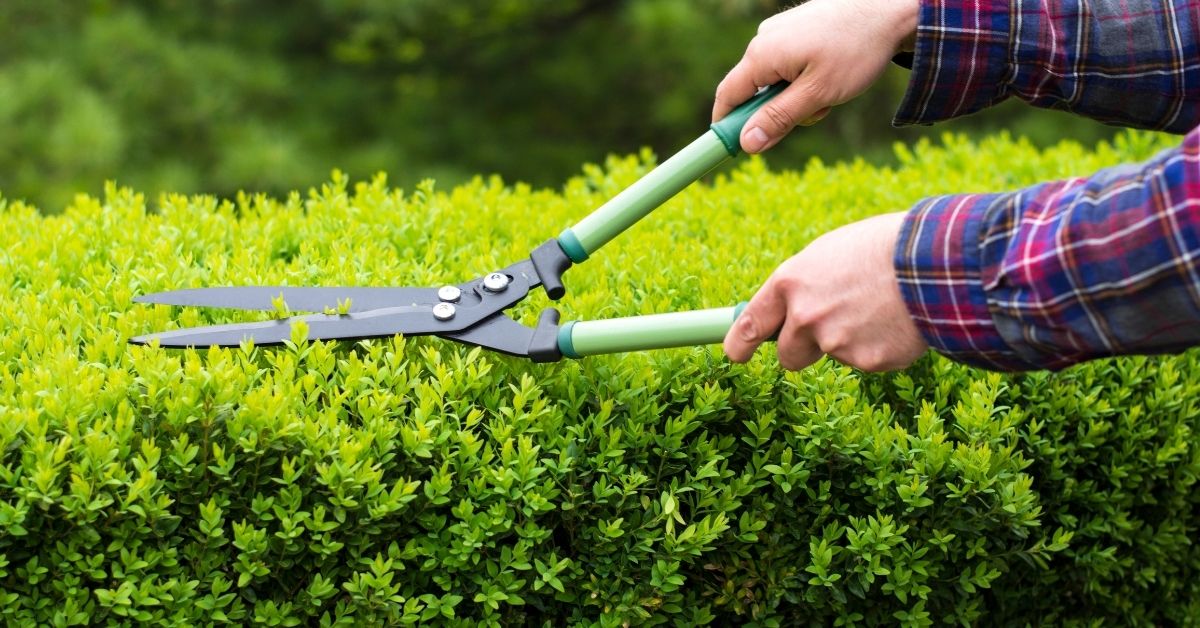
The success of hedging plants and regular trimming/pruning is invariable interlinked. To maintain a compact and healthy formation to the boundary effect of a hedge will require careful planning and attention. Hedges can be formal or informal and this can determine the extent of trimming required.
Evergreen formal hedging plants such as Buxus sempervirens, Ligustrum Ovafolium (Privet) and Conifers will benefit from a regular trimming twice a year to keep a flat top and compact sides. Prunus rotundifolia (Common Laurel) requires a little less frequent pruning but once a year will help to get rid of any potentially damaging shoots.
Informal hedging plants such as Rose Stromboli and Rose Queen Elizabeth can be trimmed once a year in late winter and early spring, removing any wayward of unattractive shoots.
Berberis thunbergii Atropurpura is a wonderfully unusual purple leafed hedge and can be pruned annually, best in February if all signs of frost have disappeared. Be careful however when pruning Berberis as they are thorny by their very nature so make sure to wear protective gloves.
Lavender Munstead is becoming a superb option for low growing boundaries because of its wonderful fragrance and versatility. If growing in rows for a low screening effect we suggest pruning lightly in spring each year.
Shop our full range of hedging plants online.