

 Back
Back


 Free Mystery Gift With Orders Over £50
 Free Delivery With Orders Over £60
 September Gardening Jobs
Posted by Tom Steel on 24th Jun 2026
Gardening Jobs for July
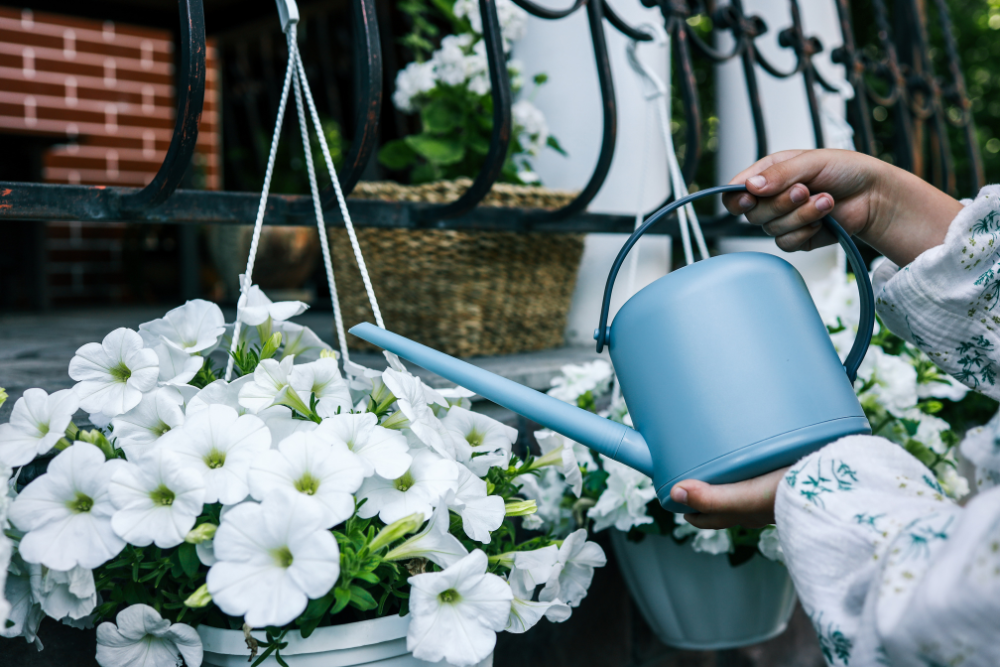
Summer is really starting to hit its stride, and with the sun (hopefully) shining, it’s a great time to sit out, relax and enjoy your garden. But let’s be honest – it’s hard to truly unwind when the garden’s crying out for attention.
July is the month to keep things looking fresh and growing strong - and a little effort now goes a long way. From what to plant in July - including vegetables, flowers and bulbs - to essential jobs around the garden, here are our top tips to keep your plot thriving.
What to plant in July
Container-grown plants
Missed your window for bare-root planting? No problem. Container-grown plants are ideal for summer, offering an instant hit of colour and structure to beds, borders and pots.
Autumn bulbs in pots and borders
Get ahead of the season by planting autumn-flowering bulbs like Nerines, Colchicums and Sternbergia. These beauties bring welcome colour just as the rest of the garden starts to wind down.
Tuck them into borders or containers now so they have time to establish - and enjoy a surprise splash of colour come early autumn.
Summer- and autumn-flowering shrubs and climbers
July is ideal for planting container-grown shrubs and climbers. Warm soil encourages strong root growth and with regular watering, they’ll settle in quickly.
Choose varieties that provide colour or interest later in the season to keep borders looking fresh. Climbers also add vertical interest and are great for screening small spaces or adding height to patios.
Sow biennials for next year’s displays
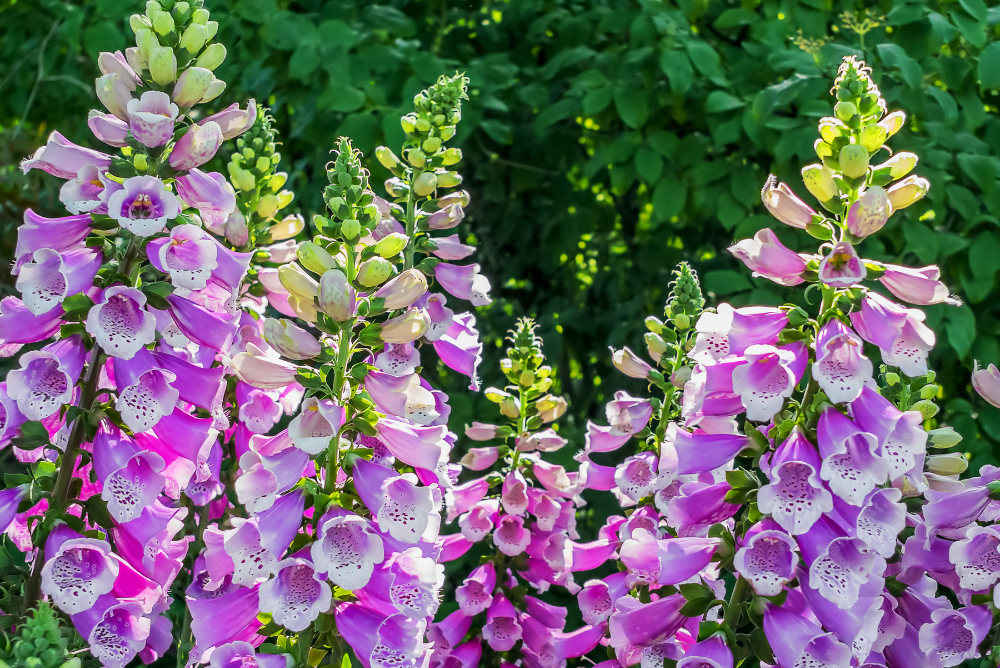
It might feel early to think about next year, but July is the perfect time to sow biennials like foxgloves and wallflowers. These plants grow foliage this year, then bloom beautifully next spring and early summer.
Sow seeds in trays or a dedicated nursery bed outdoors. Once seedlings are large enough to handle, prick them out and grow them on before planting into their final positions in autumn.
Garden jobs in July
Deadhead bedding plants and repeat-flowering perennials
Keep your garden looking fresh and blooming by regularly deadheading faded flowers. This encourages more buds to form and extends flowering well into summer. Whether in beds, borders, containers or hanging baskets, a quick snip every few days can make a big difference.
Tip: Be especially diligent with plants like Geraniums, Petunias, Cosmos and Dahlias.
Plan ahead for houseplant care while you're on holiday
Most houseplants can survive a few days without attention, but longer trips require a little planning. Set up simple DIY systems like a wick from a water-filled jar to the pot or try self-watering pots and reservoir trays. If you have a greenhouse or lots of containers, consider an automatic watering system.
Better still, rope in a helpful neighbour to keep things thriving in your absence.
Tip: Grouping houseplants together in a cool, shaded spot can also help reduce water loss while you’re away.
Water tubs and containers regularly
Pots dry out fast in warm weather, so check them daily. Water early in the morning or late in the evening to reduce evaporation. A layer of mulch on the surface of the compost can help retain moisture.
Tip: If water runs straight through the pot, it may be too dry - soak it in a tray or bucket to rehydrate fully.
Check Clematis for signs of wilt
If your Clematis suddenly collapses or shows blackened stems, it may be suffering from Clematis wilt - a fungal disease. Cut affected stems back to healthy growth, dispose of them (don’t compost) and monitor for further issues.
Tip: Try to keep Clematis roots cool and shaded to help prevent problems.
Feed and deadhead Roses
Keep Roses blooming with a high-potash fertiliser after each flush of flowers and remove faded blooms to encourage new ones. Also, check for pests like aphids or signs of black spot.
Tip: Water at the base rather than over the leaves to reduce disease risk.
Prune summer-flowering shrubs
Once shrubs like Philadelphus or Weigela have finished flowering, give them a light prune. Remove spent stems and any dead or damaged wood to keep their shape and encourage strong growth for next year.
Tip: Prune immediately after flowering to avoid cutting off next year’s buds.
Tie in climbing plants
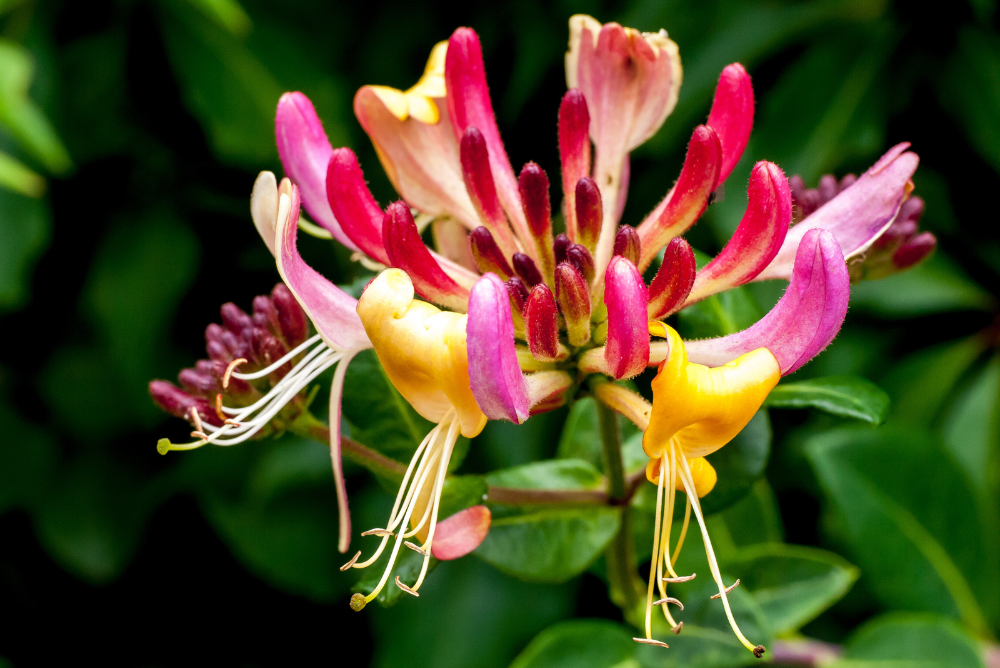
Keep climbers like Sweet Peas, Honeysuckles and Climbing Roses tidy by tying in new growth. Use soft ties to gently secure them to supports, encouraging upward growth and avoiding damage from wind.
Tip: Training growth horizontally can encourage more flowering shoots.
Maintain lawns
Continue mowing regularly, but raise the cutting height slightly during hot, dry spells to prevent stress. Leave clippings on the lawn if conditions are dry to help retain moisture. If it’s very dry, don’t worry - the grass will bounce back when the rain returns.
Tip: Edge borders and remove any weeds to keep things neat.
What vegetables to plant in July
Carrots
- Varieties to try: Purple Dragon, Solar Yellow and Lunar White are top choices for quick-growing, sweet roots in summer.
- Growing tips: Sow seeds directly into light, sandy, well-drained soil in a sunny spot. Avoid rich or freshly manured soil, which can cause the roots to split or fork. Sow thinly in rows and cover lightly with fine soil. As seedlings grow, thin them to around 5 cm apart to give each carrot space to develop properly.
- Harvesting: These early varieties are quick to mature, making them ideal for a late summer or early autumn harvest. Pick when the roots are small and tender for the sweetest flavour. Regular harvesting encourages a staggered crop, and smaller roots are less prone to splitting in hot weather.
Swiss Chard
- Varieties to try: Magenta Sunset and Canary Yellow add a colourful twist to your veg patch with vibrant stems in yellow, pink, red and white.
- Growing tips: Sow seeds directly into well-prepared, fertile soil in full sun or light shade. Space seeds 30 cm apart, or thin out seedlings as they grow to give them room to develop. Water regularly, especially in dry spells, and remove weeds to reduce competition.
- Harvesting: Begin picking outer leaves once they reach around 15-20 cm. Harvest little and often to keep plants productive over a long period - they’ll usually keep cropping into autumn. Both the leaves and stems are edible and work well in stir-fries, salads or steamed.
Dwarf French Beans
- Varieties to try: 'Safari' is a great option for fast-growing, compact crops.
- Growing tips: July is the last month to sow French beans outdoors, so don’t delay if you want a crop before the first autumn frosts. Sow seeds directly into warm, well-drained soil in a sunny spot, spacing them about 20 cm apart. You can also grow them in pots or raised beds. Keep the soil moist during dry spells, especially while flowering and forming pods.
- Harvesting: Pick pods when they are young and tender - usually around 8-10 cm long. Regular harvesting encourages more to form.
Parker’s Picks
El Clasico Chimenea
Supplied as Chimenea Firepit
Pack of 1
Shop now
Eureka! Large Firefly Lantern
Supplied as Solar Light
Pack of 1
Shop now
Love BeesBox
Shop now
Gardena 6 Pattern Sprinkler Boogie
Pack of 1
Shop now
Growing Guides for July
Agapanthus| Clematis| Dahlias| Echinaceas| Rudbeckias
More monthly jobs
Gardening Jobs for January | Gardening Jobs for February | Gardening Jobs for March | Gardening Jobs for April | Gardening Jobs for May | Gardening Jobs for June