

 Back
Back


 Free Delivery With Orders Over £60
 October Gardening Jobs
Posted by Shannen Godwin on 17th Jun 2021
Lily Varieties & Planting Guide
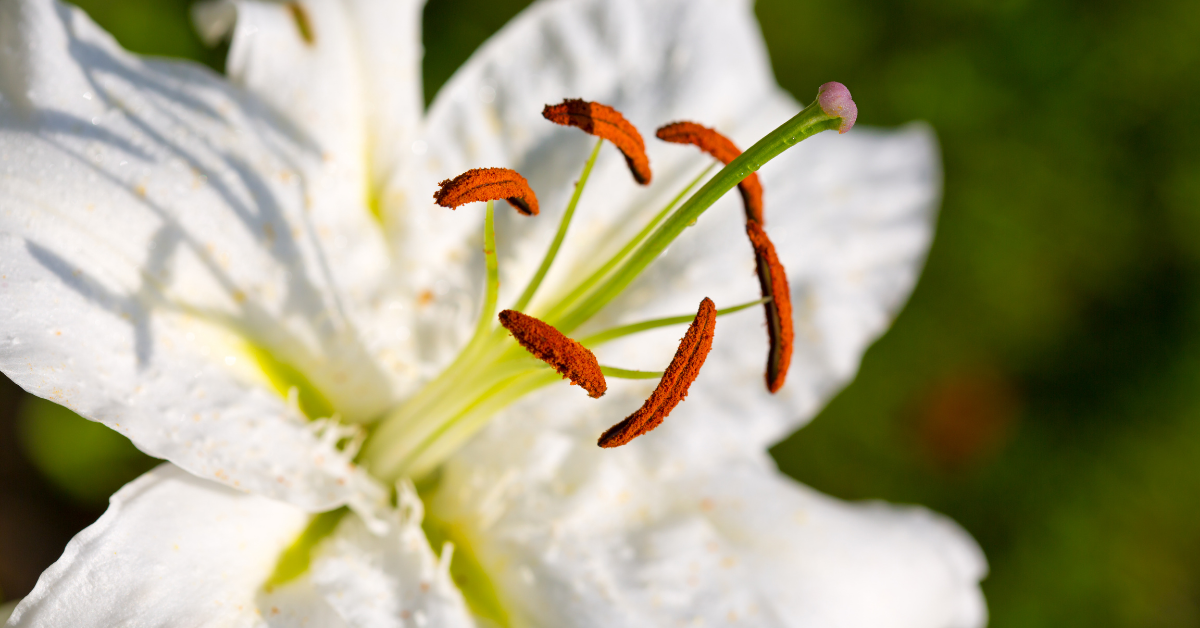
Lilies are among the most beautiful and diverse flowers in the world, celebrated for their delicate petals, vibrant colours, and enchanting fragrance. With over 100 species and countless hybrids, these flowers can add a touch of elegance to any garden or floral arrangement. Let's explore some of the most popular types of lilies and what makes each one unique.
- Asiatic Lilies:
- Characteristics: Known for their bright, vibrant colours and early bloom time.
- Planting Tips: Plant in well-drained soil with full sun exposure. Space bulbs 8-12 inches apart and 4-6 inches deep.
- Oriental Lilies:
- Characteristics: Large, fragrant blooms with a wide array of colours.
- Planting Tips: Prefer slightly acidic, well-drained soil. Plant bulbs 6-8 inches apart and 6-8 inches deep. They thrive in full sun to partial shade.
- Trumpet Lilies:
- Characteristics: Trumpet-shaped flowers with a strong fragrance.
- Planting Tips: Plant in well-drained soil with full sun. Space bulbs 10-14 inches apart and 6-8 inches deep.
- Martagon Lilies:
- Characteristics: Also known as “Turk’s Cap Lilies”, they have downward-facing, reflexed petals.
- Planting Tips: Prefer cooler, more shaded areas and well-drained, humus-rich soil. Plant bulbs 6-8 inches apart and 4-6 inches deep.
- LA Hybrid Lilies:
- Characteristics: A cross between Asiatic and Longiflorum lilies, known for their sturdy stems and large blooms.
- Planting Tips: Plant in well-drained soil with full sun exposure. Space bulbs 8-12 inches apart and 6-8 inches deep.
General Planting Guide for Lilies:
- Soil Preparation: Lilies prefer well-drained soil rich in organic matter. If your soil is heavy clay, consider adding sand or compost to improve drainage.
- Planting Time: The best time to plant lily bulbs is in the fall or early spring. Ensure the ground is not frozen and can be worked easily.
- Planting Depth: A general rule is to plant bulbs three times their height deep into the soil. This helps protect them from frost and provides stability as they grow.
- Watering: Keep the soil consistently moist but not waterlogged. Overwatering can lead to bulb rot, while underwatering can stunt growth.
- Mulching: Apply a layer of mulch around the plants to help retain moisture, regulate soil temperature, and suppress weeds.
- Fertilizing: Lilies benefit from a balanced, slow-release fertilizer applied in early spring. Avoid high-nitrogen fertilizers as they can promote foliage growth at the expense of flowers.
- Staking: Some taller varieties may need staking to support their height and keep the stems from bending or breaking.
- Pest and Disease Control: Keep an eye out for common pests like aphids and red lily beetles. Use organic or chemical treatments as necessary. Ensure good air circulation to prevent fungal diseases.
By following these guidelines, you can enjoy a beautiful, thriving display of lilies in your garden, bringing vibrant colours and delightful fragrances to your outdoor space.
Shop our full range of Lilies online.