

 Back


 Free Delivery With Orders Over £60
 November Gardening Jobs

Posted by Tom Steel on 13th Nov 2026
Master Blog Series - Wildlife gardening throughout the winter months with Callum Corrie

J. Parker’s is proud to be partnering with industry experts as part of our exciting new bi-monthly Master Blog series. Through in-depth conversations with various specialists from all over the horticultural sphere, we'll be exploring a wide range of fascinating topics, uncovering fresh perspectives, practical advice and plenty of inspiration along the way.
To get this series started, we caught up with Callum Corrie to discuss wildlife gardening throughout the winter months; a wonderfully seasonal topic and a perfect way to kick things off.
For the uninitiated, Callum is a multi-award winning garden designer, landscaper and garden consultant. His accolades and personal accomplishments include being a two-time Gold Medal winner at RHS Flower Show Tatton Park, People’s Choice winner for Young Designer Garden 2024, Pro Landscaper’s 30 Under 30 winner, and BBC Gardeners’ World Live Designer 2025; with room and potential for many more in the years to come.
Callum loves to balance naturalistic beauty with modern elegance, while championing the importance of attracting and supporting wildlife. As such, he was the obvious choice for this topic, offering valuable insight into wildlife gardening through the winter months, from the plants that can provide seasonal interest to the practical steps we can take to support birds, pollinators and other critters during the colder season.
“It would be easy to look at the garden slowing down during the winter months as a sign that everything is coming to a standstill. But if we've already laid the groundwork for seasonal colour, this quieter time actually allows us to take a step back and truly appreciate the birds and wildlife around us.”
Callum’s 3 simple priorities for wildlife care
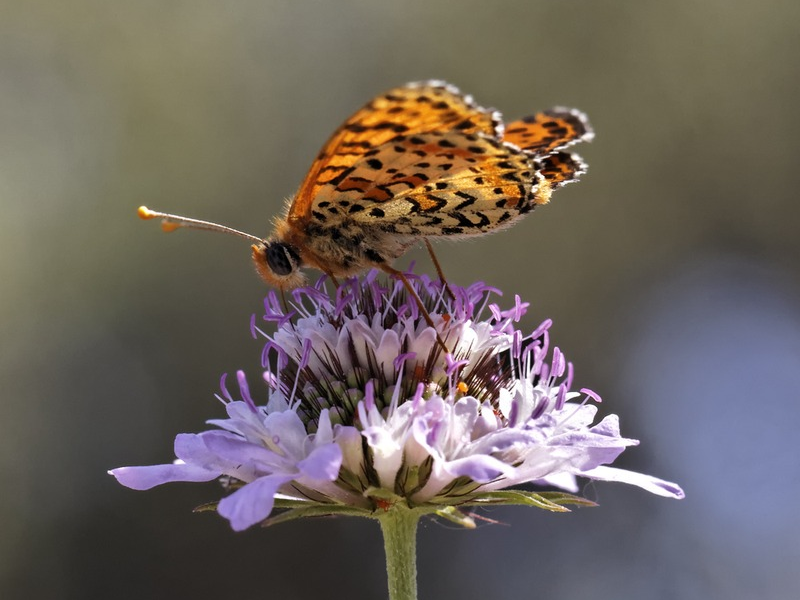
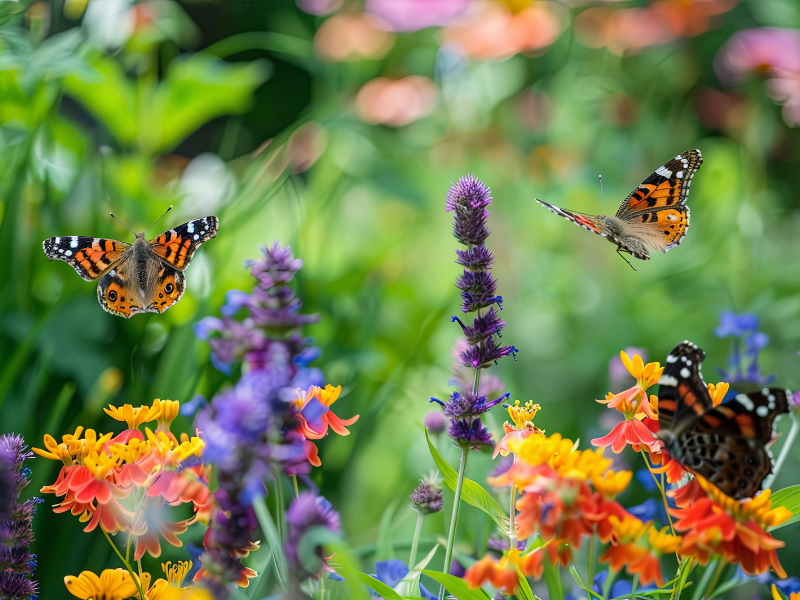
From birds and hedgehogs to overwintering insects and pollinators, wildlife really can come to rely on our gardens during the colder months. As temperatures fall and naturalresources become scarcer, access to food, water and shelter all becomes increasingly important. With that in mind, Callum's approach centres around three simple priorities: food, water and habitat.
Food
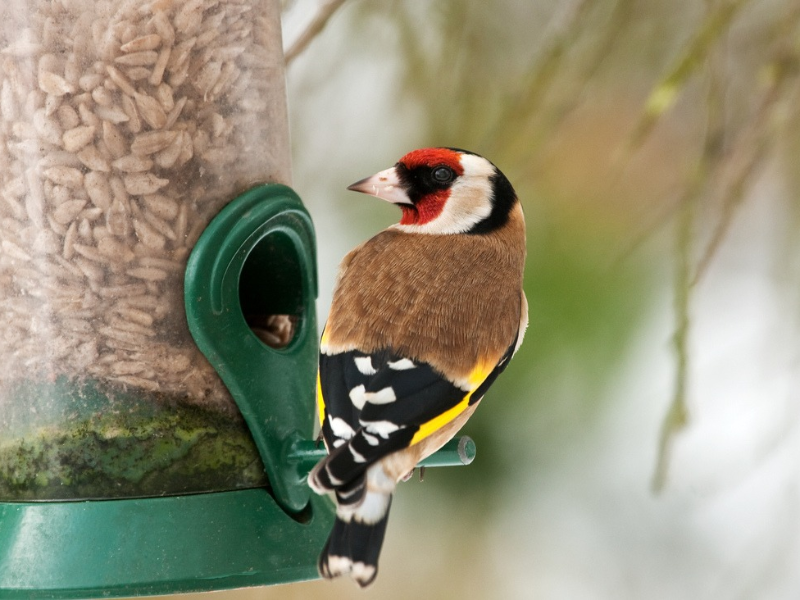
“When we think about how to feed wildlife in our own gardens, bird feeders are definitely the most commonly-used solution. The idea that we can bring wildlife to us, makes it feel like we’re welcoming them into our outdoor spaces, a concept that can be brilliant for our mental health. But there’s much more that we can do for them beyond that.”
Seed heads for birds
Rather than cutting everything back as soon as flowering finishes, Callum recommends leaving select seed heads in place throughout winter.
“One of my favourite things to see at this time of year is a goldfinch picking seeds off an Agastache, or sparrows eating Molinia heads. Agastache ‘Alabaster’ and Molinia ‘Edith Dudszus’ are specific varieties that spring to mind.”
As well as the Molinias and Agastaches that Callum mentions, Fennel (Foeniculum vulgare), Echinacea 'Magnus', and Eryngium 'Blaukappe' are also top seed-head providers for when natural resources are less abundant.
Hawthorn
Hawthorn is another excellent wildlife plant, producing berries that can persist well into winter and provide an important source of nourishment for a wide range of garden birds.
Insects in birch
Food sources aren't limited to just seeds and berries. The fissured bark and branches of established birch trees can provide shelter for overwintering insects, creating valuable foraging opportunities for birds searching for protein-rich food during colder weather.
Did you know?
Blue Tits don't just visit gardens for food. They're also known to pollinate Fritillaria imperialis (Crown Imperial), carrying pollen between flowers as they stop to drink the nectar hidden inside the blooms.
Water
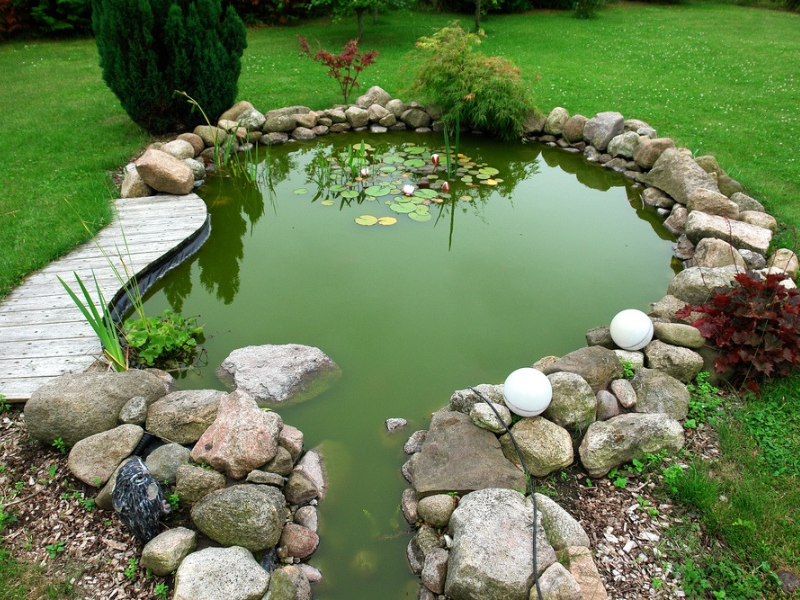
"In winter, access to fresh water can be just as important as food. When temperatures drop and water sources freeze over, a small amount of care and maintenance can make a huge difference for wildlife."
Wildlife-friendly ponds
A pond is one of the most valuable features a wildlife garden can have, supporting everything from birds and amphibians to aquatic insects throughout the year. According to Callum, thoughtful pond design is just as important as ongoing maintenance, with gently sloping sides or dedicated escape routes helping hedgehogs and other small animals safely enter and leave the water.
Fresh water matters more than you might think
While food often takes centre stage during winter, many birds rely on accessible water for drinking and bathing. Regularly checking bird baths and ponds becomes particularly important during prolonged cold spells, when natural water sources may freeze over.
Breaking ice safely
If water freezes, avoid pouring boiling water directly onto bird baths or ponds. Instead, create a small opening using warm water or by placing a container of hot water on the surface, helping wildlife gain access without damaging the feature or unnecessarily disturbing pond life.
Keep water moving
Where practical, pumps and moving water features can help reduce freezing, ensuring wildlife has more reliable access to fresh water throughout the colder months.
Habitats
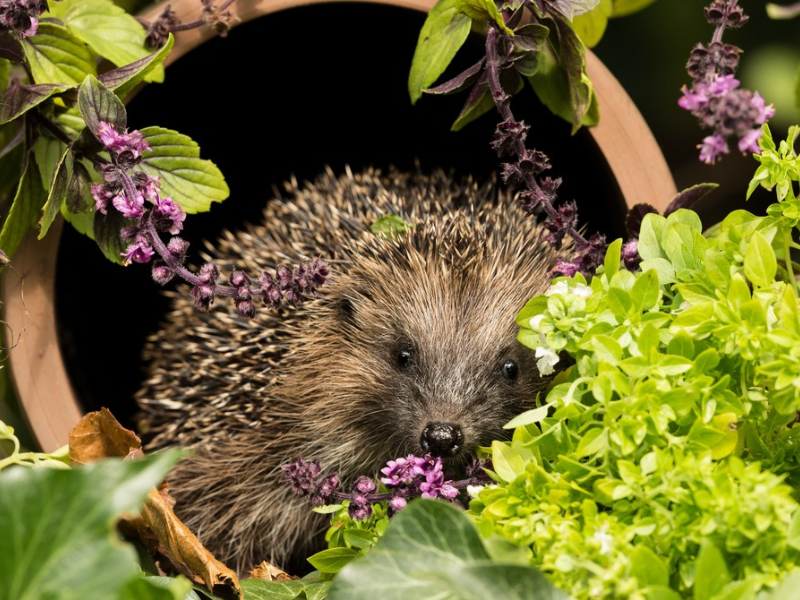
"Some of the best things we can do for wildlife in winter actually involve doing less. By leaving certain parts of the garden undisturbed, we're creating valuable shelter for countless species."
Creating wildlife habitats may take some initial effort, but the benefits they provide can last for many years.
Ponds as winter refuges
Beyond providing water, ponds offer a valuable habitat for amphibians, aquatic insects and a range of other wildlife throughout the colder months. Frogs, toads and newts can all benefit from the cover and protection available around ponds, while deeper water bodies are less likely to freeze completely during periods of prolonged cold.
Build a dead hedge
"Dead hedges are one of my favourite wildlife-friendly projects because you're creating habitat from materials that might otherwise be thrown away."
Created from prunings, branches and other garden cuttings, dead hedges provide shelter for birds, insects and small mammals while making good use of material that might otherwise be discarded. Winter is an excellent time to build one, with perennial cutbacks, hedge trimmings and woody stems all helping to create a long-lasting wildlife habitat.
Leave perennials standing
As Callum said before - sometimes, doing less really is the best approach. Leaving selected perennials and ornamental grasses in place through winter can offer valuable cover from harsh weather, while stems, foliage and hollow seed heads create opportunities for insects to overwinter safely until spring.
Create a sand mound
A simple mound of free-draining sand can provide nesting opportunities for solitary bees and other beneficial insects. Unlike honeybees, many solitary bee species nest in bare, well-drained soil, making a sand mound a surprisingly effective addition to a wildlife-friendly garden.
Try a hibernaculum
Constructed from logs, stones, leaves and other natural materials, a hibernaculum offers a safe place for creatures such as frogs, toads, newts and insects to shelter during winter. Once established, it can continue supporting wildlife throughout the year with very little maintenance required.
The mindset of an award-winning designer
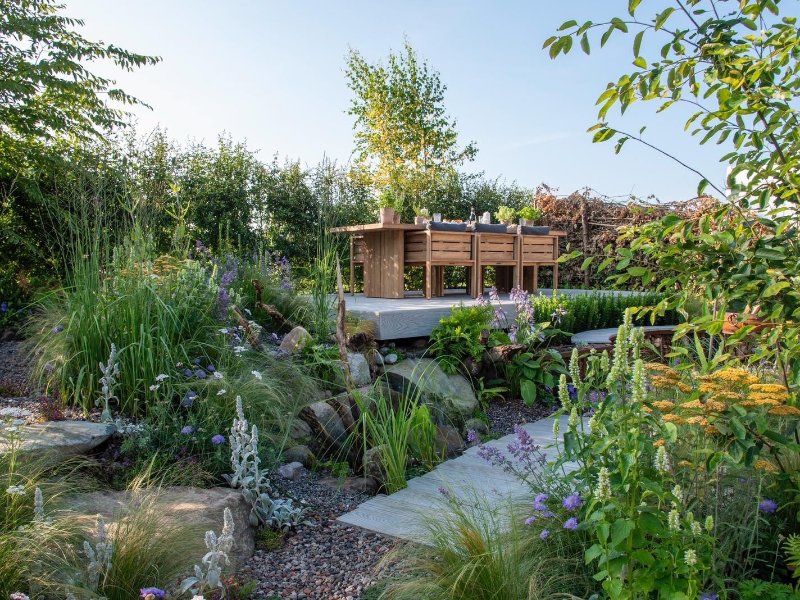
What are your top tips for incorporating wildlife-friendly elements into the garden?
“Start with a goal”
"My first thought is always: who is this garden for? Before we start adding features, it's important to understand whether the priority is attracting birds, supporting pollinators, encouraging amphibians, or creating a space that benefits a bit of everything. The answer influences every decision that follows."
Successful wildlife-friendly gardens begin with a clear objective rather than a collection of disconnected features. Different species have different requirements, so identifying the wildlife you'd most like to support can help inform planting choices, habitat creation and long-term management.
“Create focal points people will enjoy”
"The second thing I consider is focal points. Just because a garden is designed for wildlife doesn't mean it can't be beautiful too. Strong planting combinations, interesting structure and seasonal highlights help create spaces that people enjoy spending time in."
Wildlife gardening and garden design should work hand in hand. Whether it's a drift of pollinator-friendly perennials, a specimen tree covered in berries, or a wildlife pond surrounded by naturalistic planting, carefully chosen focal points can benefit wildlife while giving the garden year-round visual appeal.
“Fill the spaces in between”
"Once you've established those key features, it's about filling the gaps. That's often where the biggest gains for wildlife can be made."
Smaller interventions can have a surprisingly large impact. Areas beneath shrubs, quiet corners, bare patches of soil and unused boundaries can all be transformed into valuable habitats through careful planting or the introduction of wildlife-friendly structures.
“Link habitats together”
"One thing I always encourage people to think about is how habitats can work together. Wildlife doesn't use our gardens in isolated sections, so the more connections we can create, the better."
Rather than treating each wildlife feature as a standalone element, Callum recommends creating layers of habitat. A hibernaculum topped with a dead hedge, for example, can support a wide range of species by combining underground shelter with above-ground protection. Likewise, a wildlife pond bordered by dense planting, log piles and other habitat features can become a focal point for a variety of species, creating food sources, shelter and safe routes between different areas of the garden. Sand mounds incorporated into sunny borders can further increase the diversity of wildlife the space is able to support.
Callum's early-season favourites for wildlife
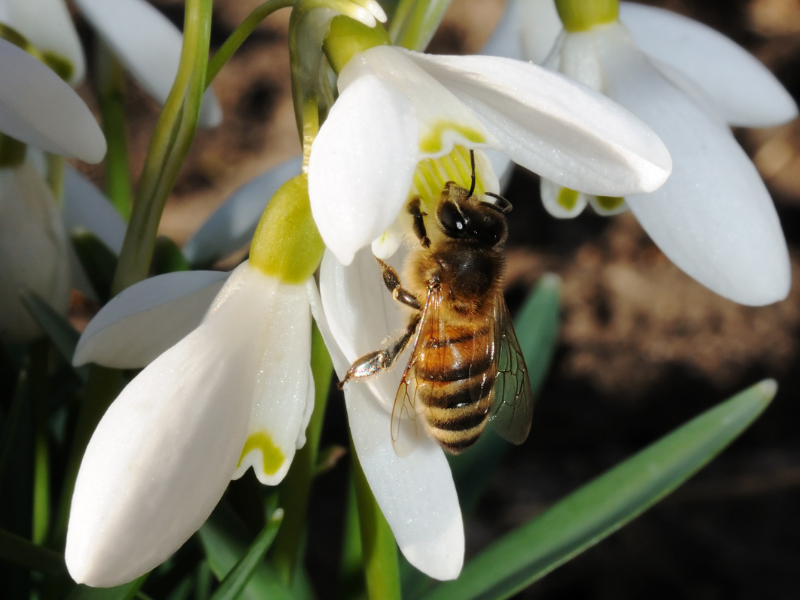
While supporting wildlife through winter is undoubtedly important, Callum is also keen to emphasise the value of planning ahead. Many of the plants he regularly recommends for wildlife-friendly gardens emerge from late winter into early spring, helping to bridge the gap between the colder months and the start of the main growing season.
"One of the best things we can do for wildlife is ensure there's always something flowering and thriving. Some of the earliest bulbs can provide a valuable source of nectar and pollen when there isn't much else available, making them incredibly important for emerging pollinators."
Bulbs for bees
Snowdrops (Galanthus)
Among the first flowers to emerge each year, Snowdrops can provide a welcome source of nectar and pollen for early-foraging bees. Their ability to flower during the final stages of winter makes them particularly valuable when few other food sources are available.
Crocuses (Crocus)
Crocuses’ open, pollen-rich flowers are regularly visited by bees emerging from winter dormancy, while large drifts can create an important early-season feeding station.
Wild Tulip (Tulipa sylvestris)
A favourite of Callum's for naturalistic planting schemes, Tulipa sylvestris combines elegant, nodding flowers with wildlife appeal. Its open blooms are more accessible to pollinators than many heavily bred Tulip varieties, making it a useful addition to wildlife-friendly gardens.
Erythronium 'Lilac Wonder'
With its distinctive reflexed petals and soft lilac-pink colouring, Erythronium 'Lilac Wonder' delivers both ornamental beauty and ecological value. It performs particularly well in lightly shaded areas and can provide a useful food source for early-season pollinators.
More pollinator-friendly favourites
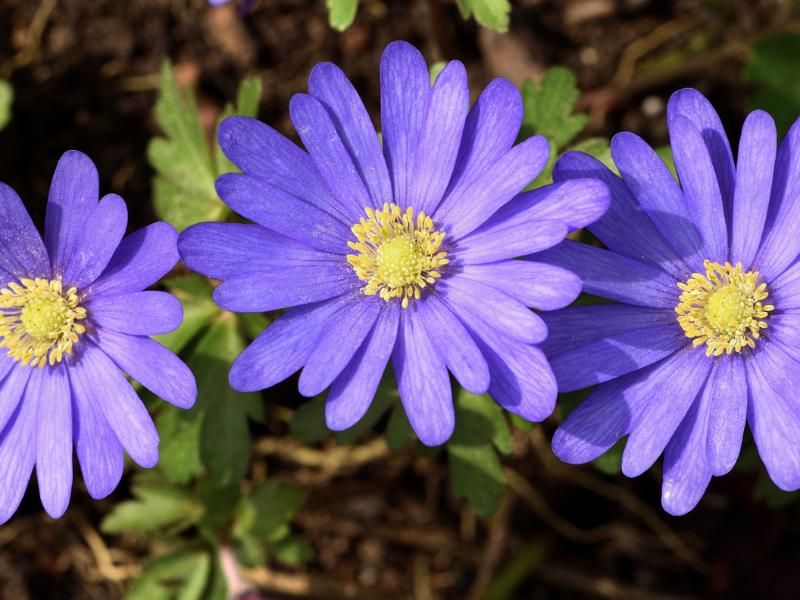
Anemone blanda
Flowering as winter begins to give way to spring, Anemone blanda provides a readily accessible source of pollen for bees and other emerging insects. Its daisy-like flowers also bring welcome colour to borders, rockeries and naturalised planting areas.
Muscari (Grape Hyacinth)
Compact, reliable and much-loved by pollinators, Muscari produces dense clusters of nectar-rich flowers that attract bees in impressive numbers. Planted in generous drifts, it can create a striking display while supporting wildlife at a key time of year.
Callum's closing thoughts
"I love the fact that winter encourages us to slow down and look at the garden differently. We get to really notice the positive impact that our planting, maintenance and care can have, on the birds, insects and wildlife that have been there all along."
In many ways, winter grants us an opportunity to appreciate these relationships between plants, habitats and the creatures that rely on them even more. Whether you're making a few small changes or planning an entire wildlife-friendly garden, the colder months can be the perfect time to start.
A huge thank you to Callum for sharing his knowledge and passion for wildlife-friendly gardening. This may be the end of our first Master Blog Series instalment, but it's only the beginning. We'll be returning soon with more expert insights, practical advice and inspiration from some of the horticultural industry's leading voices.
In the meantime, here are some collections inspired by Callum’s insights and recommendations.
30 Value Pollinator Friendly Perennial Border Collection
Favourite Plants For Seed Heads Collection
Designer Wildlife Plant Collection
Woodland Plant Collection for Wildlife
Marginal Plant Collection