

 Back
Back


 Free Delivery With Orders Over £60
 October Gardening Jobs
Posted by Amber Williams on 24th Jan 2023
How to Compost at Home – Gardening for Beginners
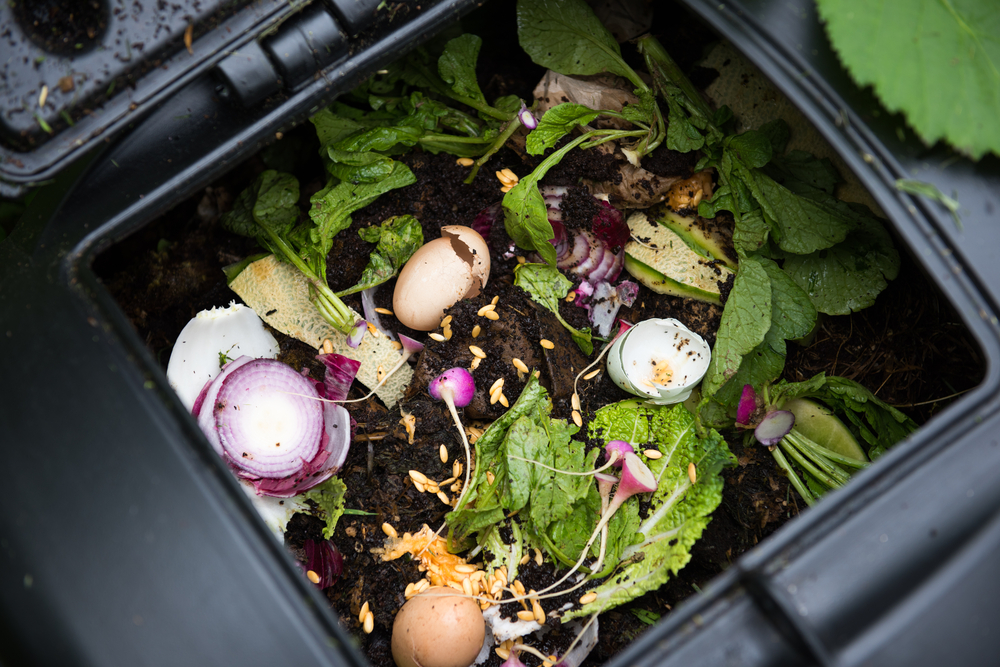
Composting is one of the best ways of adding natural mulches and nutrients to your garden, and for free!
If you have the outdoor space for a plant-filled garden, then a compost station should be one of your New Year projects. Not only is composting at home great for the garden, but it’s great for the environment too! Those who compost divert around 30% of household waste from landfill. Here’s our guide on how to compost at home.
What Is Composting?
Compost is essentially turning household waste like food scraps into nutrient-dense mulch for the garden. These scraps are then placed in a dedicated bin or heap and left to decompose. Eventually, this mulch will look like normal compost and can be used to improve the soil in your garden and provide nutrients to plants throughout the season.
Why Should You Compost?
Composting isn’t just a plus for the garden – it's a bonus for the environment too. It cuts out methane emissions generated from landfills, putting all its energy into creating useful compost for your plants.
Not only that, but homemade compost is great for soil. It rejuvenates the existing soil and cuts out the need for chemical-based fertilisers. Composting can also cut down your water usage, as their water-retaining properties can only increase when the percentage of organic matter is also increased.
How to Begin Composting at Home
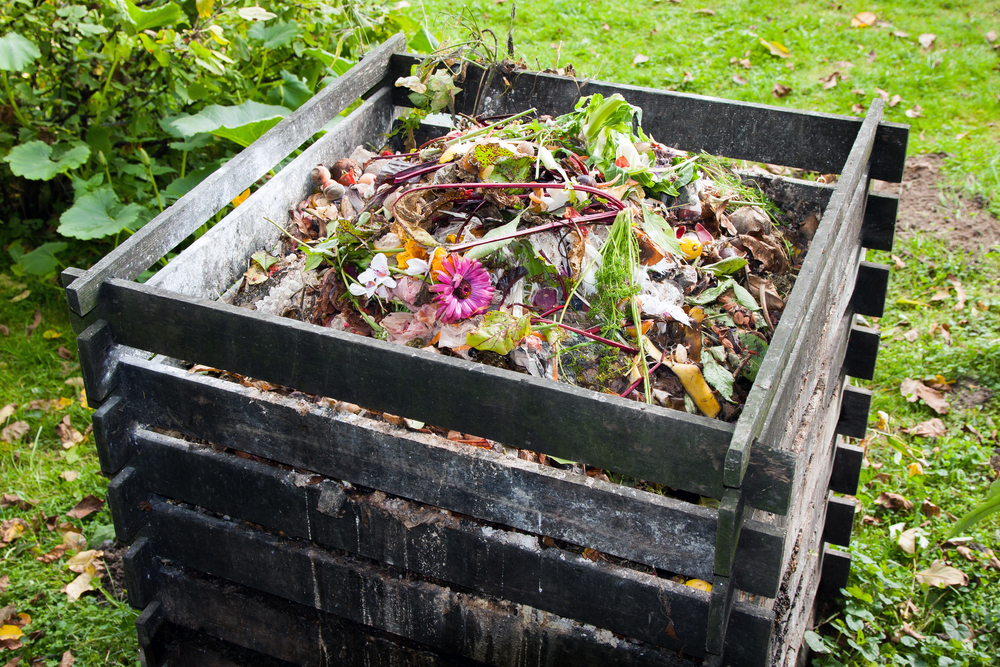
First things first, your compost needs a home! There are dedicated bins that you can buy at most gardening stores or online. However, if you’re quite handy and have the space, a DIY compost heap can also be made with wooden panels. These heaps are often exposed and kept somewhere that gets minimal footfall. However, open heaps compost slower than enclosed bins.
Make sure you keep your compost bin/heap somewhere in the shade. Excessive temperatures in the summer can negatively affect the compost, as the organisms need consistent temperatures to do their thing. If you’re using an exposed compost heap, it helps if it sits on soil. If this isn’t possible though, simply add a layer of soil to the bottom before adding anything in.
What to add to a compost heap
To create an efficient compost that is full of rich nutrients, you should be using the correct balance of materials.
- 25-50% of additives should be soft green materials (kitchen food waste, weeds, grass clippings, manure)
- The rest should be brown additives (straw, dead leaves, cardboard, prunings, etc).
This balance is for the benefit of the organisms living in your compost. They do their job best when your compost finds the correct balance of all additives. Avoid one addition to dominate the compost heap.
Tips: Avoid adding fish or meat bones as this can attract pests (unless you’re using a composter specifically for this purpose). Avoid adding diseased plants to the compost heap, as they can spread their diseases when you spread the compost.
When Should You Turn Your Compost?
Turning the compost helps air penetrate the compost – essential for composting to happen. You only need to turn your compost perhaps once a month. Turning the compost regularly during particularly hot weather can help you assess the moisture levels. Compost needs to stay quite moist for the additives to decompose properly.
When Will It Be Ready to Use?
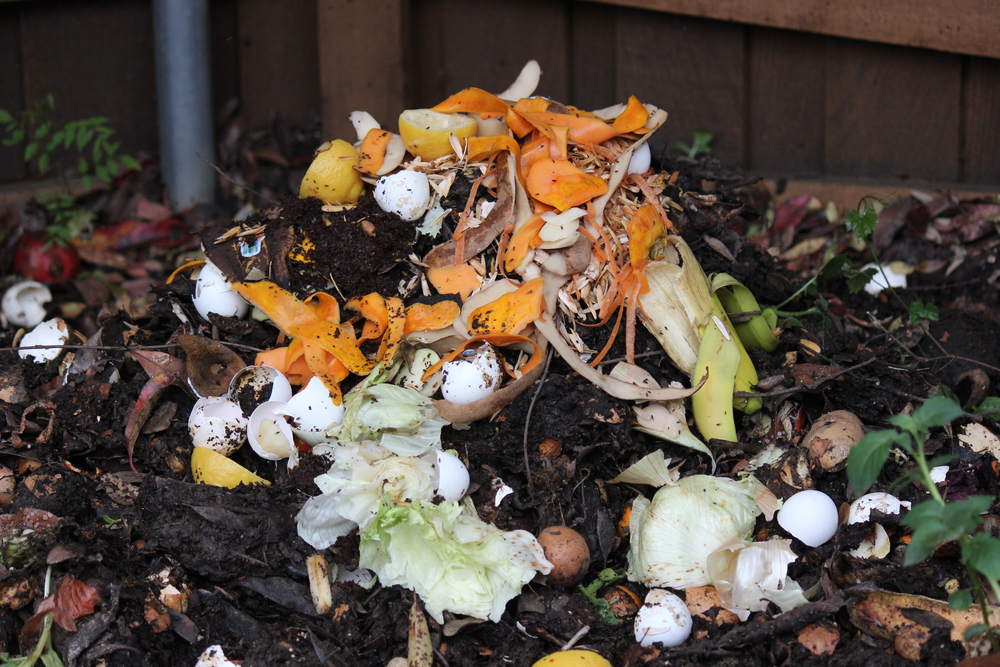
Home-made garden compost can take anywhere between 6 months to 2 years before it’s ready. How will you know that it’s ready? Because it will smell earthy and look like any normal compost – both in appearance (dark brown/moist) and in texture (crumbly).
Because most people accumulate compost waste gradually, their heaps may take a while to decompose. But it is worth the wait!