

 Back
Back


 Free Delivery With Orders Over £60
 October Gardening Jobs
Posted by Lee Burkhill on 20th Oct 2022
How to Get the English Garden Look - Lee Burkhill Explains
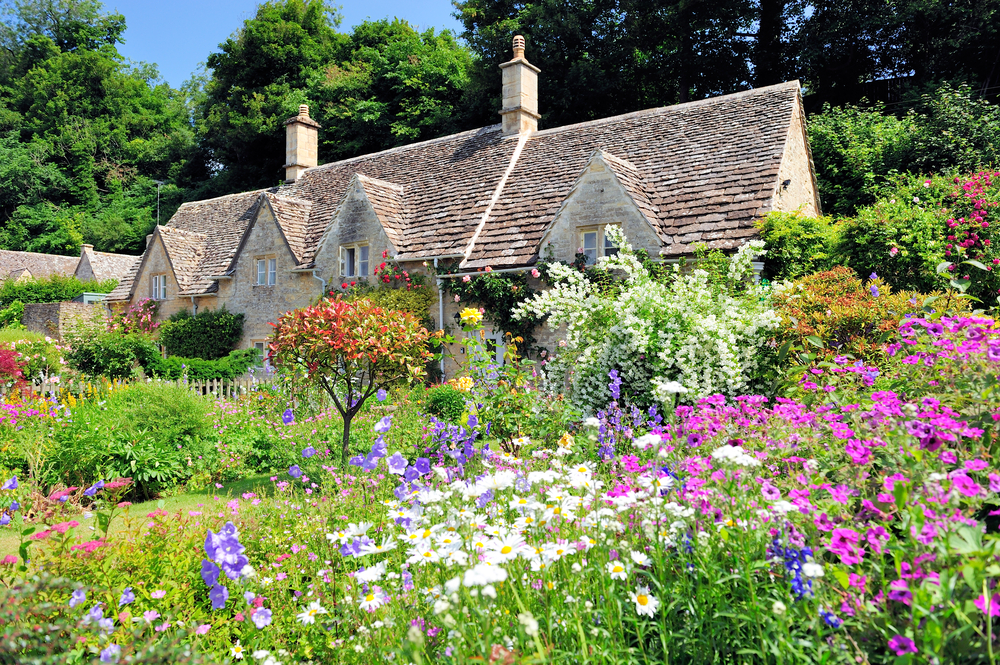
The UK has a history of gardening fanatics. We’re absolutely obsessed with our garden spaces. Which in turn has led to the English garden design style being recognised around the world. The origins of this style come from our rich history of impressive landscape designers such as William Kent, Capability Brown and Gertrude Jekyll being some of the most famous.
If you ask 10 different gardeners though you'll get 10 different answers on what typifies an English garden. Some prefer the rolling green landscapes of Capability Brown, others favouring Gertrude Jekyll's relaxed watercolour style herbaceous borders.
To me, the modern English Garden style is all about a rich mix of herbaceous perennials, some ‘light touch’ shrubs and plenty of ground cover. Creating a riot of rich planting in garden beds throughout the year.
So, let’s take a look at a few key plants that can help you bring the 'English garden' style to your own green spaces. Using the classic colour scheme of purple and pink this example scheme should help get you started in creating your English garden style.
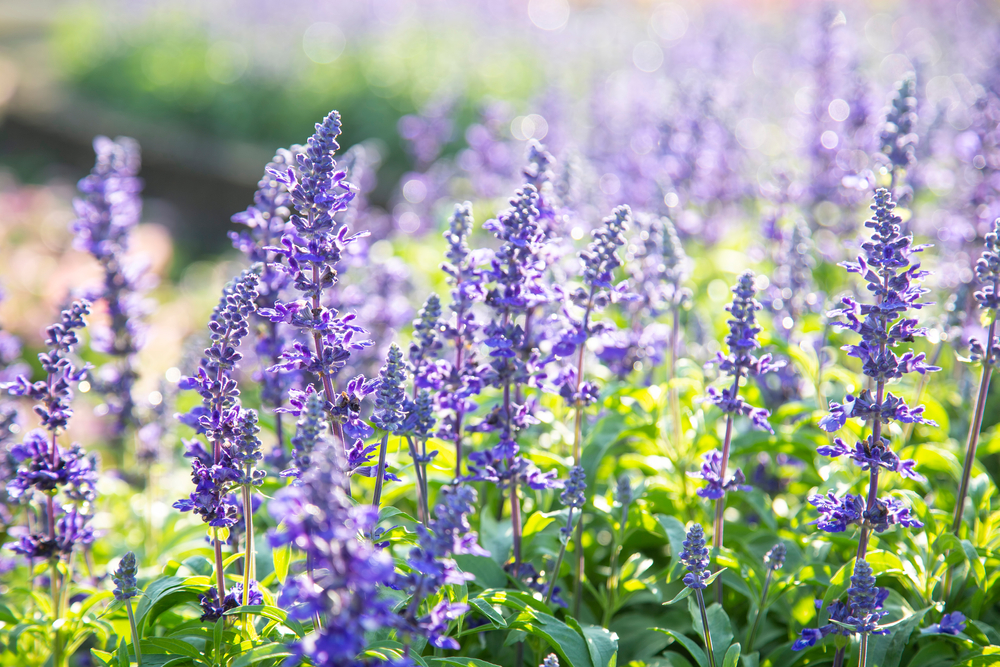
Image: Salvia officinalis
Salvia nemorosa ‘Rose queen’ - This pink stalwart of the garden is a real champion of long flowering glory. Putting out spikes of pink flowers from April all the way through to October some years. This slug-resistant and drought-proof plant is a great alternative to lavender for that pop of colour without any real pruning necessary. Simply chop back to the ground each year in late winter.
Hebe ‘Emerald Gem’- It wouldn’t be an English garden without some low hedging or evergreen shrubbery. This plant species is an excellent replacement for Buxus (Box) for smaller gardens wanting a low hedge or evergreen edge to a border. It doesn’t suffer from Box caterpillar or box blight and also requires little to no clipping. Other larger Hebes like ‘Caledonia’ add pops of purple for slightly larger evergreen punctuation points.
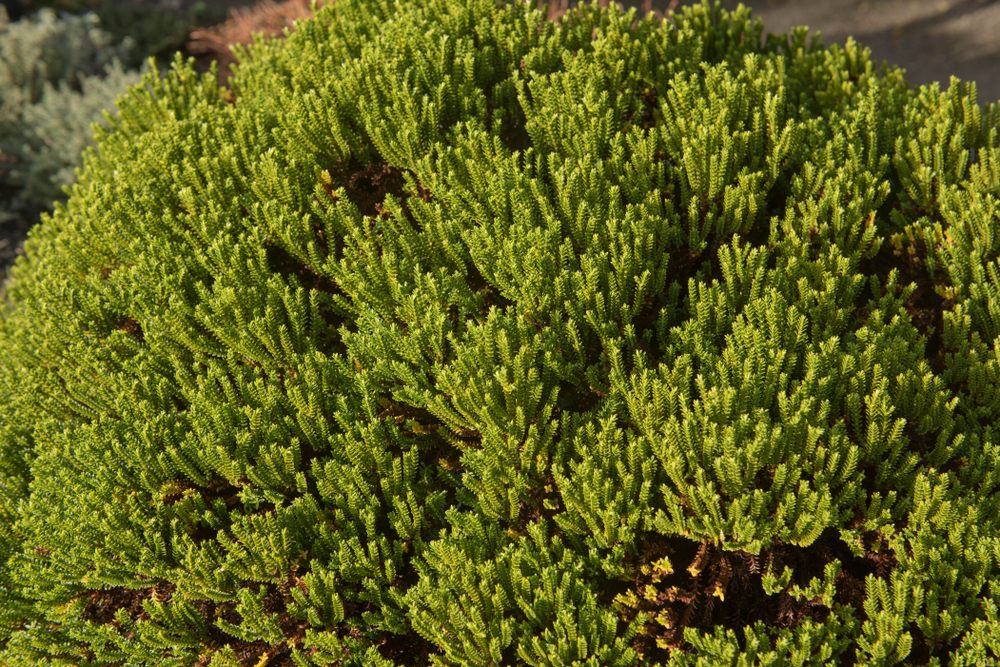
Image: Hebe 'Emerald Gem'
Paeonia lactiflora ‘Bowl of Beauty’ - one of the herbaceous pink Peonies - these peonies give a short blast of colour each summer before dying back in the winter. They are available at more dwarf heights of 60-75cm tall compared to huge wordy ‘tree peonies’. A great wow plant for the middle of summer and great planted as pops of colour within the border.
Malus ‘Api Noir’ - a beautiful dark fleshed apple tree. It wouldn't be an English garden without some early spring blossom and then sweet apples for both you and the birds come autumn. This well-behaved small garden tree is delicate enough to accompany any afternoon tea you may be serving your guests! Robust and offering 3 seasons of interest this adds some much-needed height to an English garden border.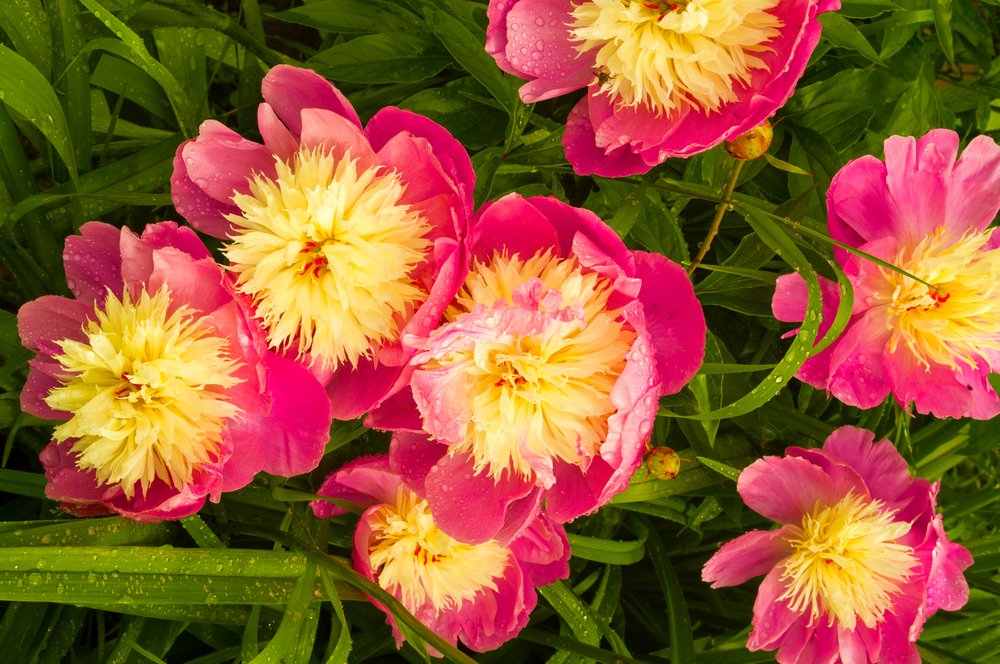
Image: Paeonia lactiflora ‘Bowl of Beauty’
Agastche ‘Black Adder’ - For a dramatic tower of purple flowers which send bees into a frenzy look no further than this Hyssop. It adds height without taking up too much width and will help provide a rich liquorice scent to your border.
Geranium ‘Rozanne’ - This hardy geranium flowers nearly endlessly throughout the season. Easy to split as the years go on to propagate. This bright purple ground cover plant will have your gardens singing even if you’ve had a week or two away from the garden's weeding schedule!
My last tip for an English Garden is to always plant in multiples of 3, 5 or 7 except for trees which can be planted as a specimen one of two here and there. Repeating the plants in either drifts or groups helps bring that rich English planting style to any garden!

Did you like this blog? We teamed up with award-winning garden designer, Lee Burkhill, asking him to give us some insight into which plants are best for the English garden theme.
You can learn more about Lee Burkhill on his website, where you can discover more garden gold! Or, follow him on Instagram to see what he gets up to next.