

 Back
Back


 Free Delivery With Orders Over £60
 September Gardening Jobs

Posted by Tom Steel on 29th Sep 2025
Gardening Jobs for October
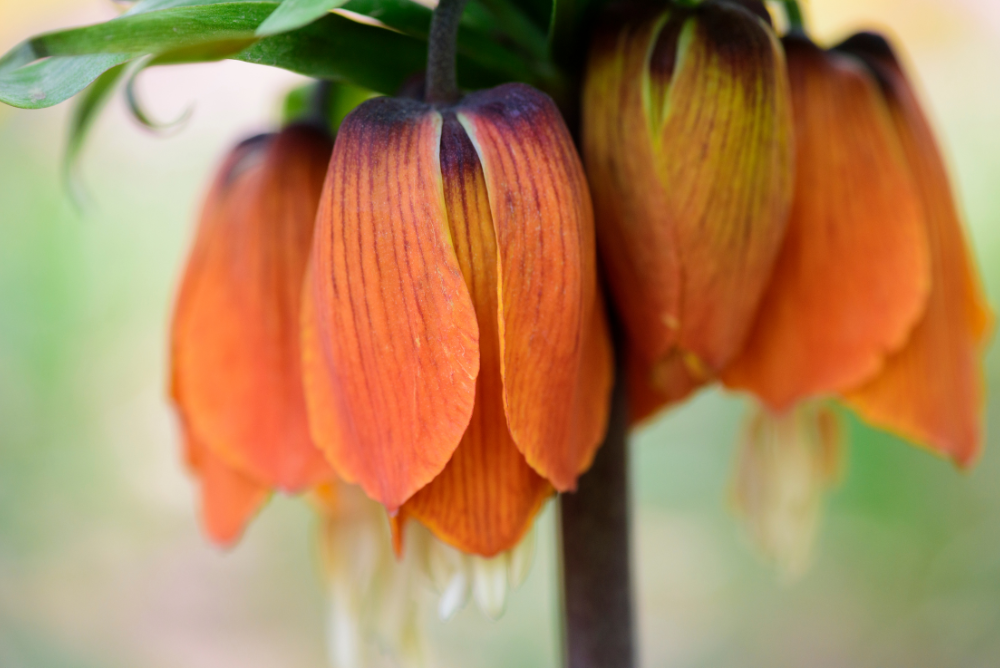
As we step into October, it’s not just the temperature that’s shifting - change is taking shape all around us. Trees are flushed with autumnal colours and leaves are beginning to fall, as the garden settles into winter's slow embrace.
But there’s still much to be done. From bulb planting and lawn care to clearing spent summer growth and preparing for the colder months ahead, October is a time for thoughtful action. We have the gardening job tips and tricks to help you embrace the change - and get your garden ready for the months to come.
What to plant in October

Plant spring-flowering bulbs
Now is a great time to plant daffodils, crocuses, fritillarias, and hyacinths. Getting them into the ground now allows roots to establish before winter, setting the stage for a bright and colourful display when spring arrives.
Establish bare-root trees, shrubs and climbers
With the arrival of cooler weather and damp soil, bare-root planting season begins. This is an ideal time to add deciduous trees, flowering shrubs, or climbers to the garden while giving them time to establish roots before spring growth kicks in.
Sow green manure crops
If vegetable beds are empty, sow green manure crops such as field beans, clover, or winter rye. These fast-growing plants help improve soil structure, suppress weeds, and return nutrients to the ground when dug in before spring planting.
Start fruit beds and borders
This is the month for planting pot-grown fruit bushes like currants or gooseberries, and for preparing the soil for bare-root fruit trees that will be planted later in autumn. Establishing fruit crops now gives them a head start for the year ahead.
Garden jobs in October

Move tender plants indoors
As the nights get colder, it’s time to bring in tender plants like cannas, coleus, and pelargoniums. These won’t survive a frost, so move them into a conservatory, greenhouse, or a bright windowsill.
Tip: Check for pests before bringing them in - a quick rinse or wipe down can prevent infestations indoors
Cut back faded perennials
Tidy up borders by trimming back perennials that have finished for the season. It helps reduce disease and keeps beds looking neat.
Tip: Leave a few seed heads standing - they offer food for birds and shelter for overwintering insects.
Save seeds from perennials
Gather seeds from healthy plants like astrantia, aquilegia, or valerian to store or sow next spring. It's a budget-friendly way to grow more of your favourites.
Tip: Store seeds in labelled paper envelopes in a cool, dry place to help them stay viable longer.
Prune roses
Give climbing and shrub roses a tidy-up by pruning now. This helps prevent windrock over winter and keeps plants healthy.
Tip: Cut just above an outward-facing bud and remove any dead, diseased, or crossing stems.
Lift and store tender tubers
Once foliage has blackened from frost, lift dahlias and other tubers to dry and store. Leaving them in the ground risks rot.
Tip: Brush off excess soil, let them dry thoroughly, then store in paper or wood shavings somewhere frost-free.
Divide herbaceous perennials
October is ideal for dividing clumps of established perennials like hardy geraniums or daylilies. It revitalises the plant and gives you extras for free.
Tip: Replant divisions straight away and water them in well - they'll acclimate before the ground gets too cold.
Clear fallen leaves from lawns and borders
A carpet of wet leaves can damage your lawn and harbour pests. Rake regularly and compost them for leaf mould.
Tip: Use a rotary mower to collect leaves and chop them up at the same time - they’ll break down faster.
Other tasks to tackle in October
Plan next year’s garden
As autumn arrives, it’s the perfect time to reflect on this year’s successes and challenges. If the inspiration takes you, use your garden journal or sketchpad to plan next year’s layout, crop rotation, and new varieties to try. Early planning means you’ll be ahead when the spring rush begins.
Tip: Start ordering seeds and plants now to avoid disappointment and take advantage of early-bird offers.
Protect vulnerable plants
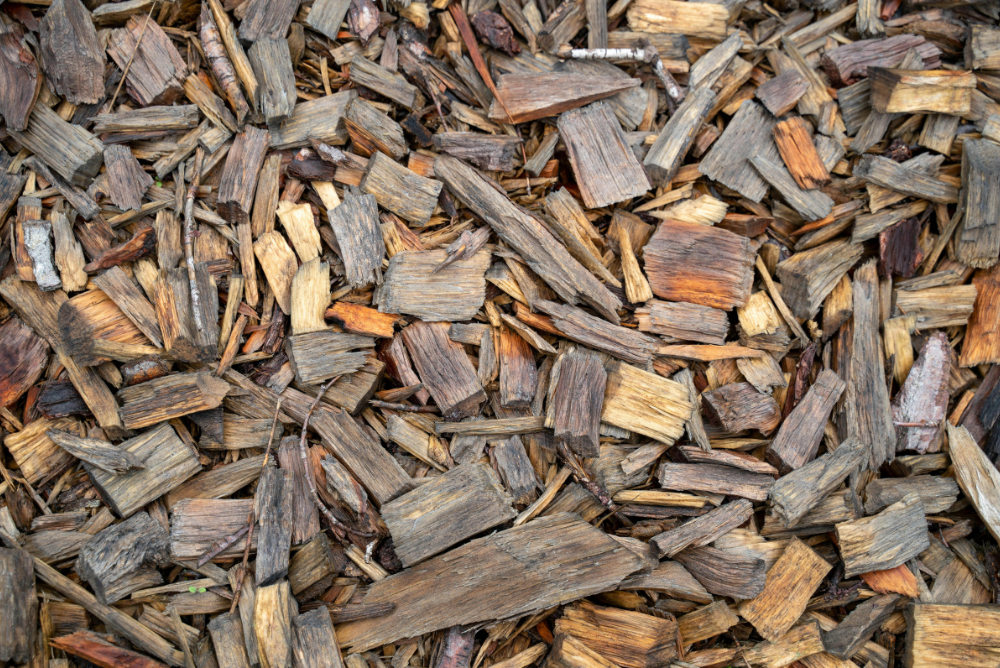
Frost and chilly winds can be tough on tender perennials and shrubs. Apply a generous mulch of straw, bark chips, or leaf mould around the roots to insulate them. For more delicate plants, consider using horticultural fleece or cloches for extra warmth.
Tip: Remove mulch gradually in spring to prevent fungal problems and encourage healthy new growth.
Prepare vegetable beds for winter
Once summer’s crops are cleared, give your vegetable beds a nourishing boost. Dig in plenty of well-rotted compost or organic matter to enrich the soil and improve its structure over winter. Adding a thick layer of mulch helps protect the soil from frost and erosion.
Tip: Avoid digging too deeply if your soil is wet - this can damage the soil structure. Instead, wait for a dry day or lightly fork the surface.
Vegetables for October sowing
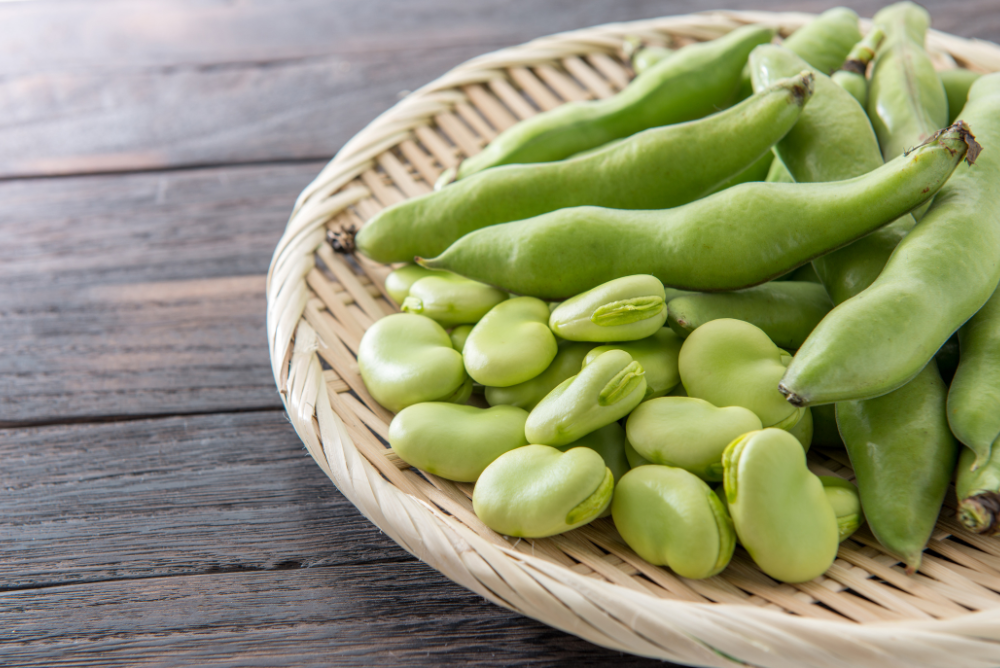
Broad Beans
- Variety to try: Dwarf Broad Bean ‘Sutton Dwarf’ is a compact, reliable cultivar ideal for autumn sowing. It's well-suited to smaller spaces and exposed plots, and offers good cold tolerance.
- Growing tips: Sow seeds 5 cm deep and around 15-20 cm apart in fertile, free-draining soil. Choose a sunny, sheltered spot, and use cloches or fleece if you're in a colder region. These hardy legumes also help fix nitrogen in the soil, making them a great crop to follow with leafy greens.
- Harvesting: Pick pods once beans have filled out but are still tender. Regular harvesting encourages further production.
Spinach
- Variety to try: Spinach ‘Medania’ is a classic, fast-growing variety that’s well-suited to autumn sowing. It’s hardy, productive, and ideal for picking as baby leaves or maturing into full-sized foliage.
- Growing tips: Sow seeds in rows or containers with moist, fertile soil, spacing them about 15 cm apart. Choose a sunny or part-shaded spot. Cover with cloches during cold snaps to keep growth steady through autumn and early winter.
- Harvesting: Pick outer leaves regularly once they’re big enough to use. Frequent harvesting encourages new growth and helps prevent bolting.
Lettuce
- Variety to try: Lettuce All Year Round is a classic butterhead type that lives up to its name. Cold-hardy and versatile, it can be sown in autumn under cloches for a steady supply of fresh leaves into winter.
- Growing tips: Sow thinly in rows or containers filled with moist, well-drained compost. Place in full sun or light shade, and thin seedlings to around 15-20 cm apart. Cover with fleece in cold spells to protect young plants and extend the harvest window.
- Harvesting: Start picking outer leaves as soon as they’re big enough to use, or leave to mature into full heads. Harvest regularly to prolong cropping and maintain flavour.

Notable plants for October

Growing guides for October
Crocus | Daffodil | Hyacinth | Primula
More monthly jobs
Gardening Jobs for July | Gardening Jobs for August | Gardening Jobs for September |