

 Back
Back


 Free Delivery With Orders Over £60
 October Gardening Jobs

Posted by Two Thirsty Gardeners on 4th Nov 2022
Gardening Trends for 2023 - Two Thirsty Gardeners
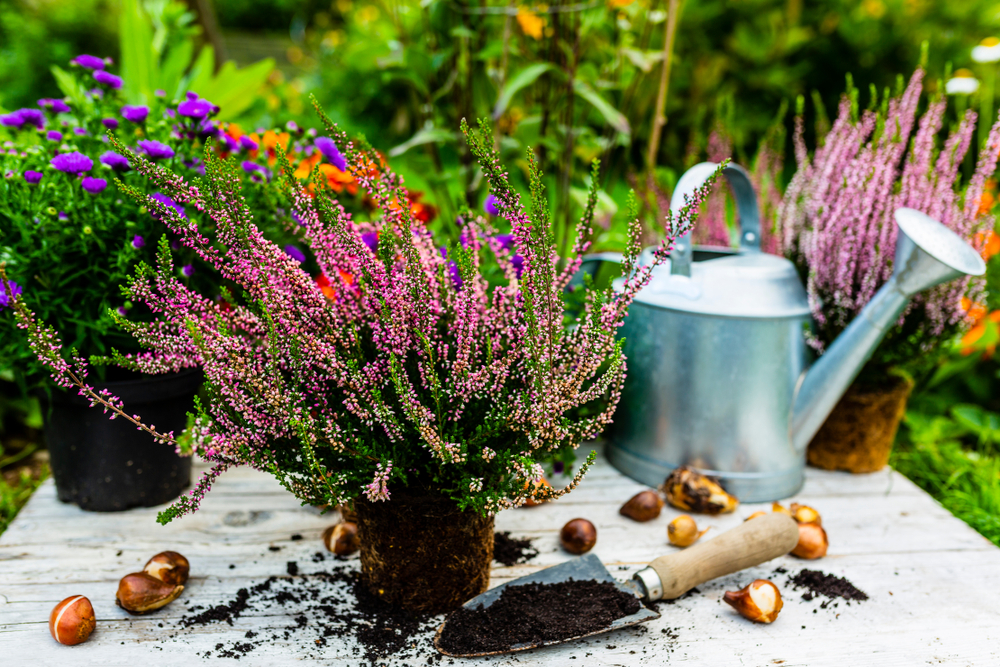
As the year begins to wind down, eager gardeners will already be thinking about planning their patches for the year ahead. And a good number of them will want to keep up with the latest gardening trends. Predicting what these trends might be isn’t easy, but we’ve dusted down our crystal ball from the back of the shed and have given the task a go.
Our five predictions below are all reactions to the current state of the world. Phrases ‘cost of living’ and ‘the environment’ frequently precede the word ‘crisis’ in news reports, and we think both will have an influence on next year’s trends, besides the need to boost mental wellbeing from the worry they cause.
So, if you’re already contemplating what to grow in the garden next year, these five suggestions should be key considerations…
Dig up your lawn
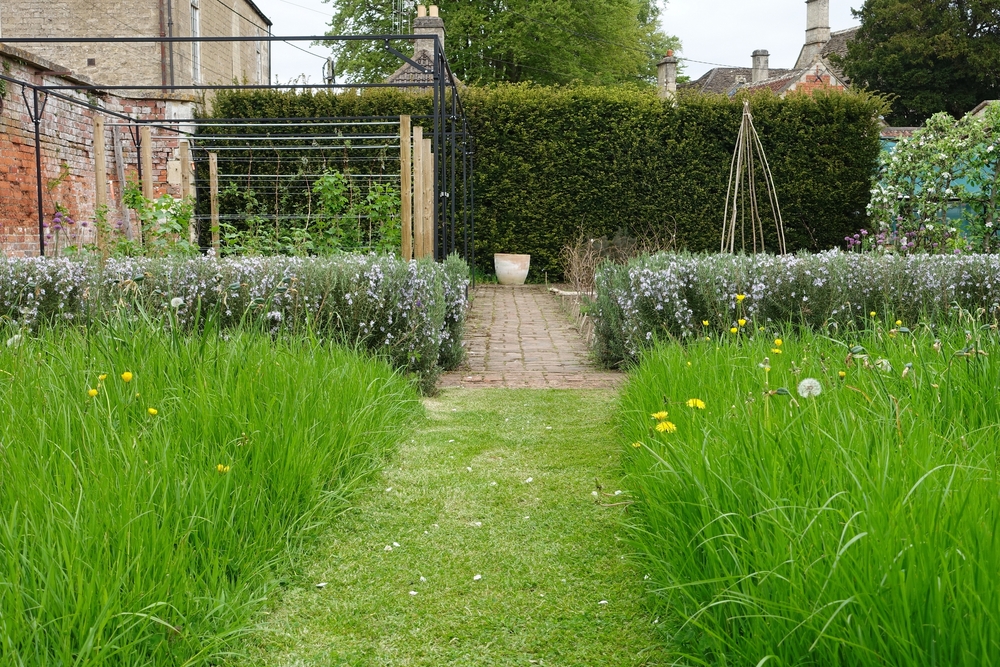
Lawns have low environmental benefit compared to other options and we have seen a noticeable shift in planting schemes and garden plans forgoing turfed areas for more ecologically sound options. These include as swathe planting, meadowing and rewilding. Large areas of blue periwinkle will help populate your garden with pollinators, whilst clumps of Breckland thyme will bring in the butterflies. For those still wishing to incorporate large areas of flat green foliage in their garden design, sedum or chamomile make great pollinator-friendly alternatives.
Vinca Minor
Sedum spurium Summer Snow
Grow plants for the senses
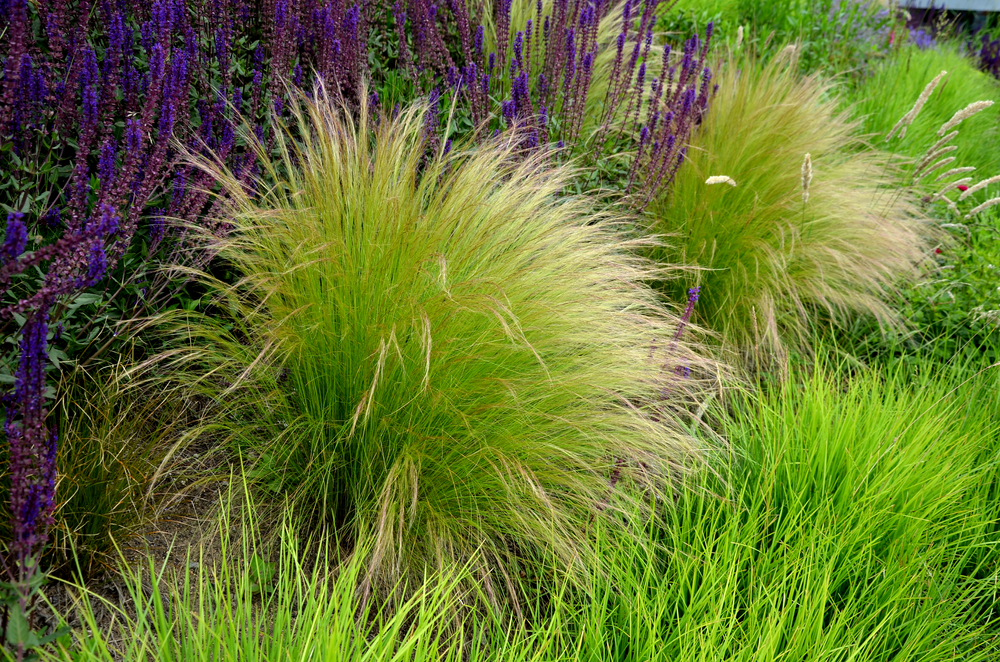
A well-designed garden can be a feast for the eyes, but we have other senses that can be stimulated by well thought out planting, which in turn help with our wellbeing. Growing for the senses is a trend that has been gaining momentum in recent years and is set to continue.
Plant grasses such as Stipa Tenuissima Ponytails and enjoy their various textures; create a fragrant patch near a bench with strong scented lavender, honeysuckle, rose or nicotiana; or relax to the sound of wind rustling through tall bamboo canes.
Grow more fruit and veg
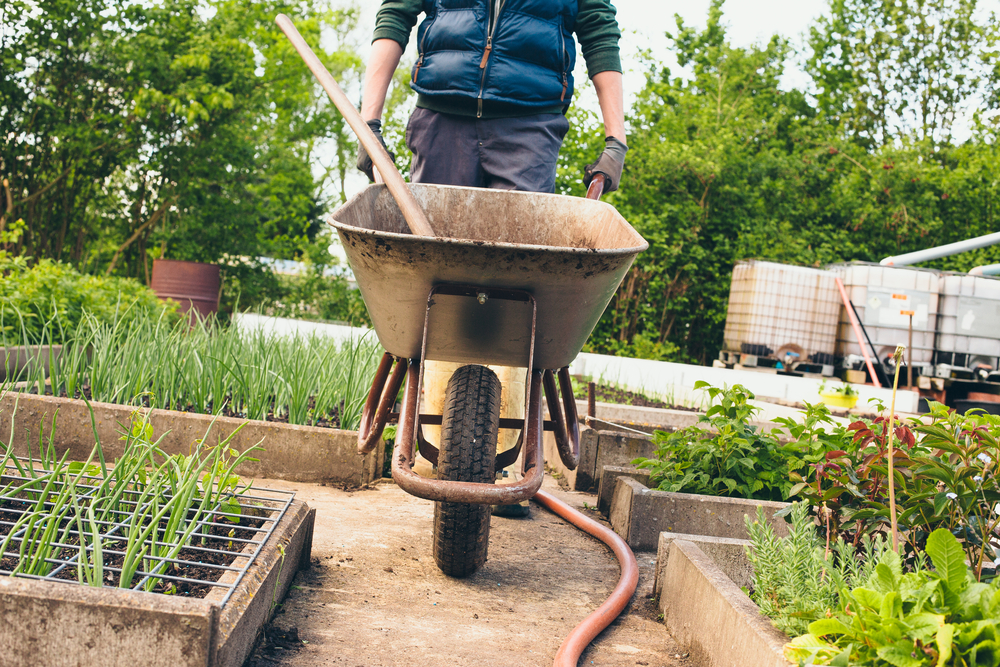
As the cost-of-living crisis begins to bite, we expect more people will be looking for self-sufficient ways to ease the financial pain. Whilst you might not be able to feed a whole family on the produce from your garden, planting some easy-to-maintain crops will certainly help take the edge off the weekly shopping bill. Plus, homegrown produce is sure to taste a whole lot better than supermarket bought fare.
Besides more obvious vegetables (long-cropping greens such as spinach and lettuces are always great value) we suggest planting fruits that are at a premium price in the shops. Blueberries are a good option and can be grown in a pot on your patio, whilst a self-fertile cherry tree looks great and will reward you with fruity treats for years to come.
Loganberry Thornless
Blueberry Spartan
Cherry Sunburst
Try some native planting
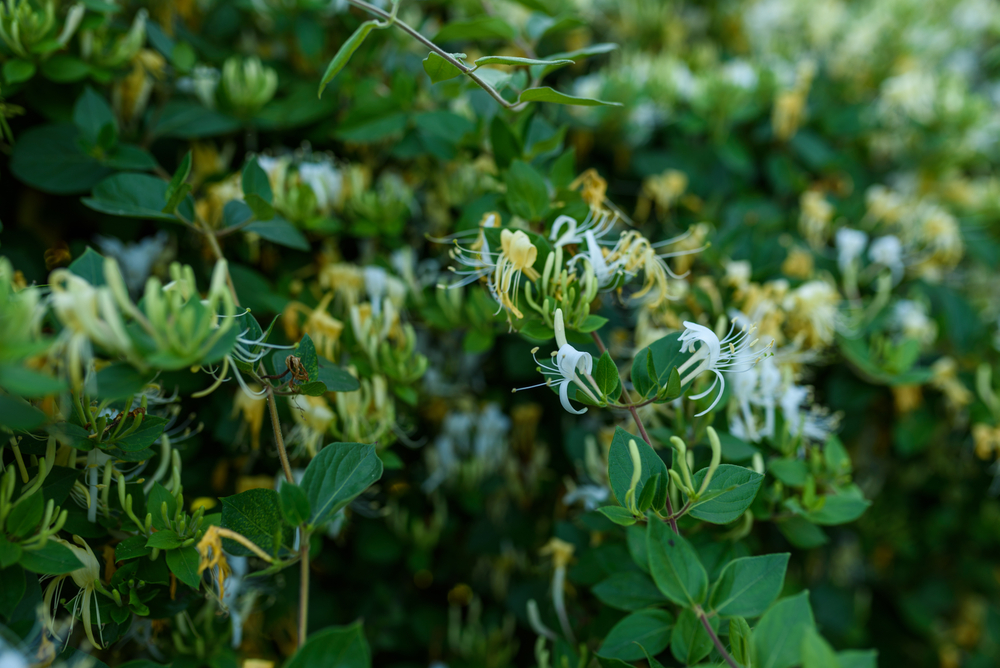
Honeysuckle Graham Thomas
There is an increasing awareness of the negative impact some imported plant species have on the local environment (Japanese knotweed being arguably the most notorious) and more of a focus on growing native plants. Besides being more suited to your local environment, native species will also attract the nearby wildlife that relies on them to survive. Among the best-of-British we expect to grow in popularity are perennial purple Pasque flowers, fragrant honeysuckle and lots of hedgerow favourite, the foxglove.
Pasque flowers (Pulsatilla vulgaris)
Foxgloves (Digitalis purpurea white)
Honeysuckle Graham Thomas
Seek out box alternatives
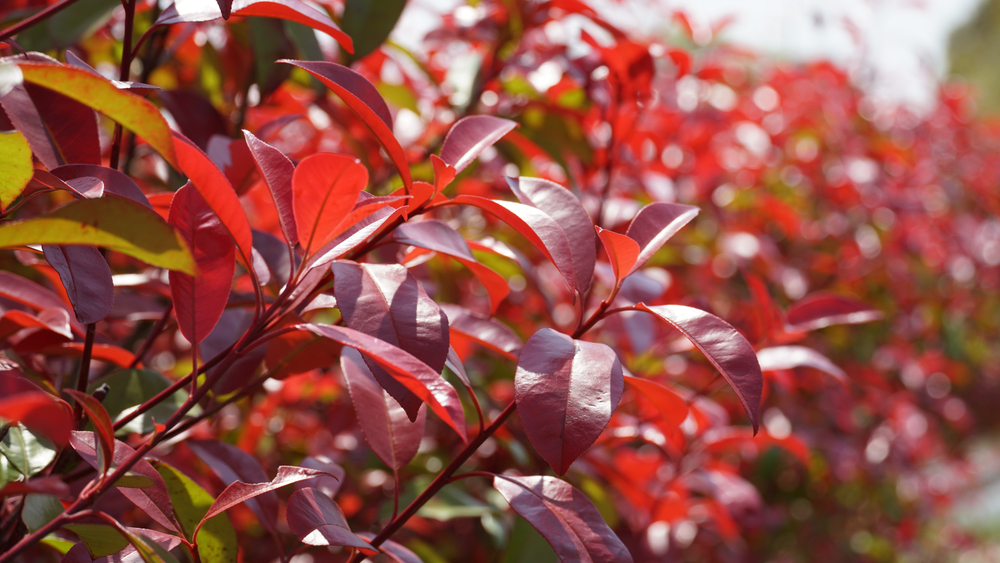
Photinia Red Robin
First emerging in the home counties, the Buxus munching Box tree caterpillar has now begun to spread rapidly into gardens of southwest England, devastating plants in a matter of days. The caterpillars hatch twice a year and will overwinter in cocooned leaves, so unless you wish to resort to chemical means, controlling them can be extremely tricky and time consuming.
We expect the caterpillars to continue their menacing march across the country, so opt for bug-resistant alternatives. These include Photinia Red robin, compact yew varieties and holly blue angel, which can all be sculptured into box-like shapes and structures.
Photinia Red Robin Hedging
Taxus Baccata English Yew
Ilex Blue Angel

Did you like this blog? We teamed up with the popular duo, Two Thirsty Gardeners, to give us some insight into the top garden trends for 2023.
You can learn more about Nick and Rich and their continuous journey of cider-making and gardening advice on their website. Or, follow them on Instagram to see what they get up to next!